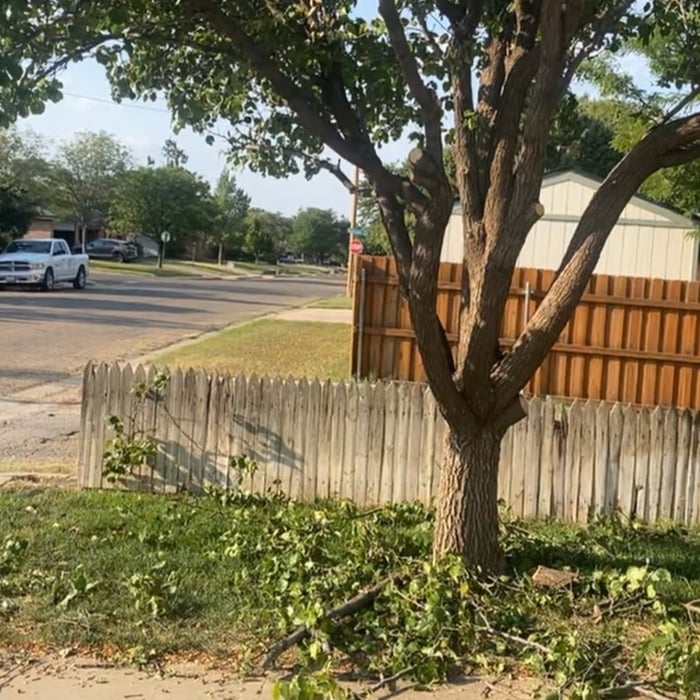
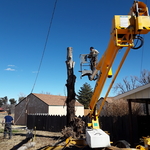
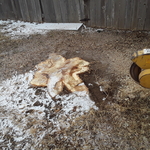
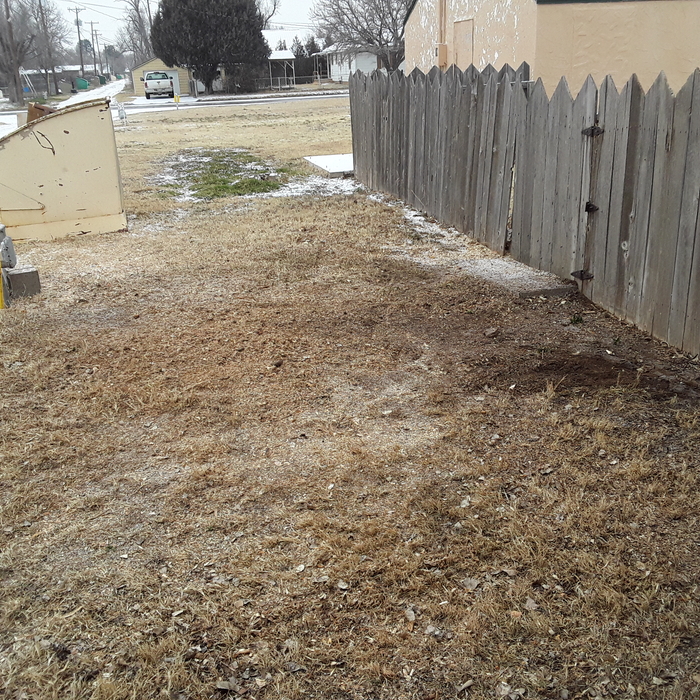
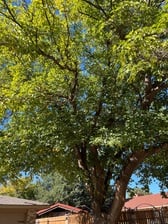
"Dr Bob Whites's service was very quick and very effective. The trees (Golden Oaks} came back this summer with exstensive leafage and groth. He save both Oaks with his excellent service."
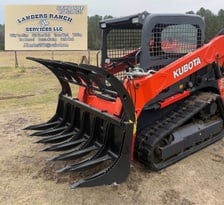
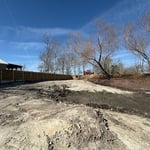
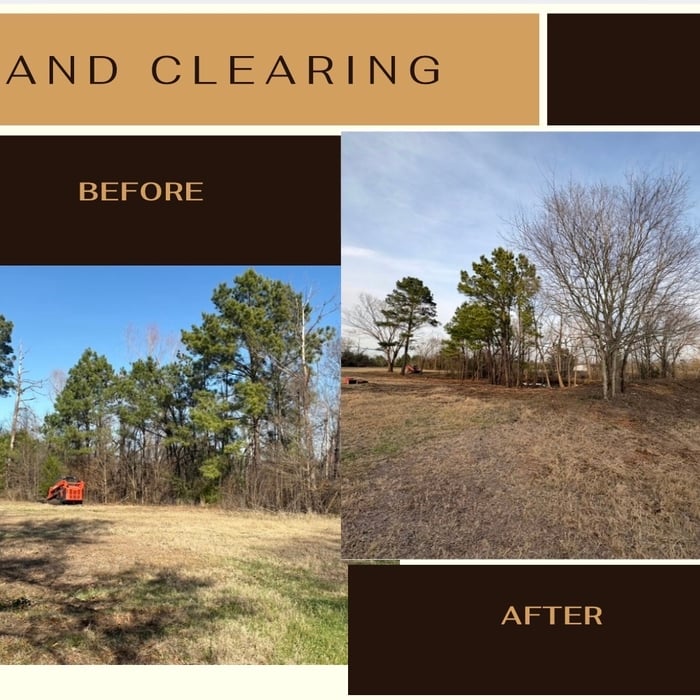
At Landers Ranch Services, we are a reputable excavation company located in Grimes County, TX. Serving the surrounding areas, we pride ourselves on delivering top-notch services to meet all our clients' excavation needs. With our skilled team and state-of-the-art equipment, we ensure efficient and reliable results for every project.
Top-Notch Tree Service can handle all of your tree's needs, from planting to removal and the life and health of your trees in between. Trees are the biggest investment you will make to your landscape, let us care for the health and beauty of your investment!
At Cabler Tree Service, we pride ourselves on quality that customers can believe in. No matter what your tree service needs are, we can take care of all your requests. When it comes to our business, customer satisfaction is our main priority and we treat every home like it is our own. We look forward to working with you!
There are several methods to hollow out a tree stump, and the best one depends on your tools, experience, and priorities. Common methods include using a chisel and hammer, a chainsaw, or burning.
Chisel and Hammer: This is often considered the easiest approach for those with limited tools or experience, though it is the most time-consuming.
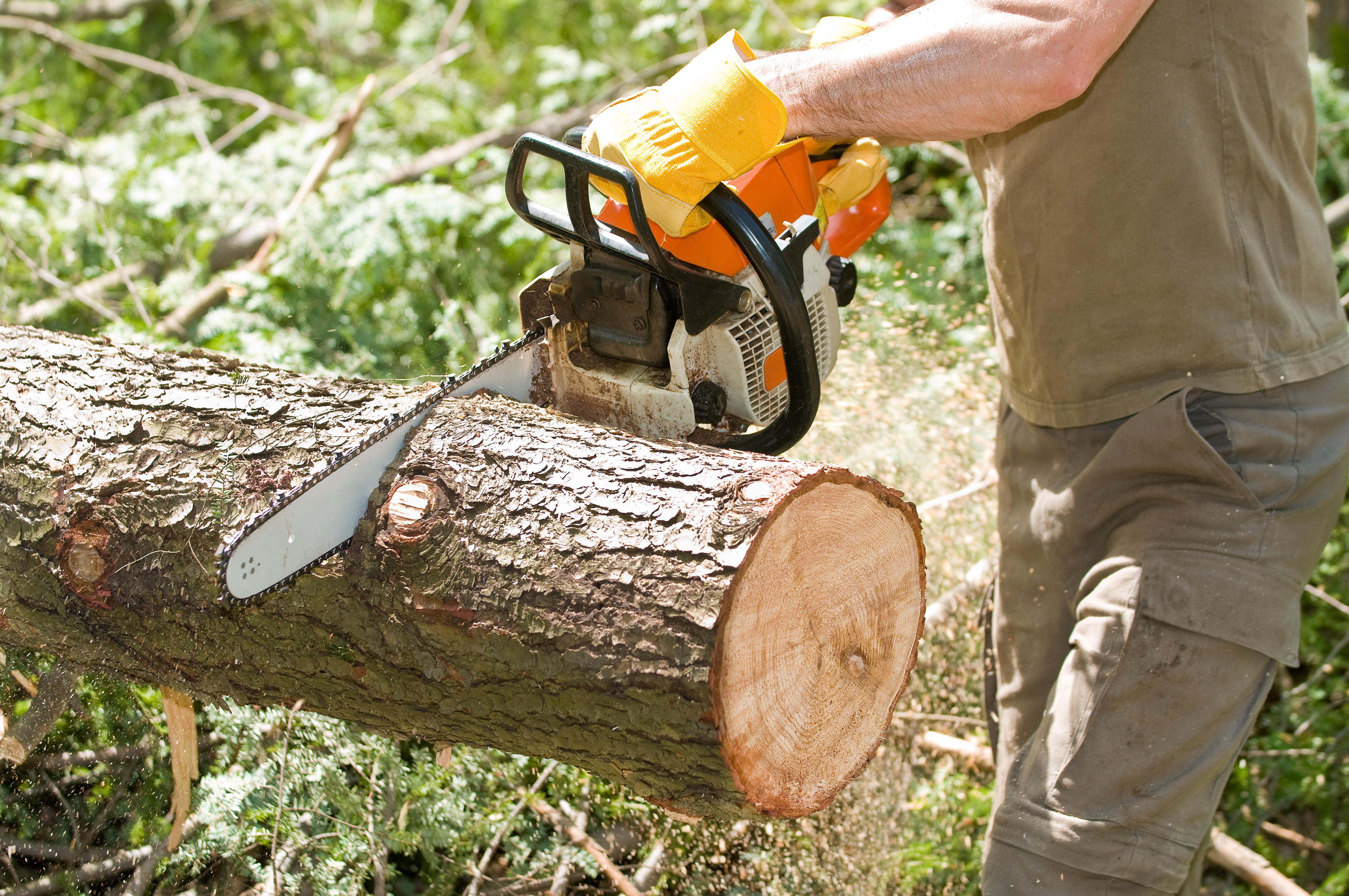
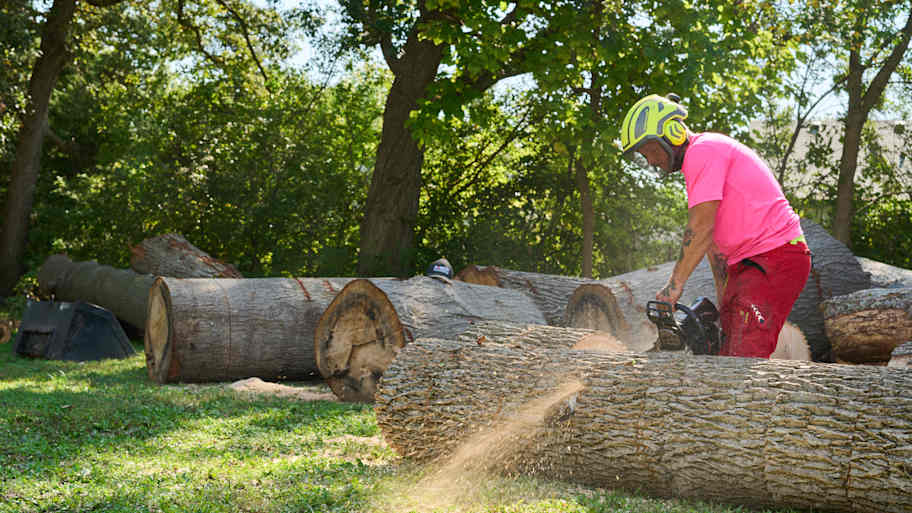
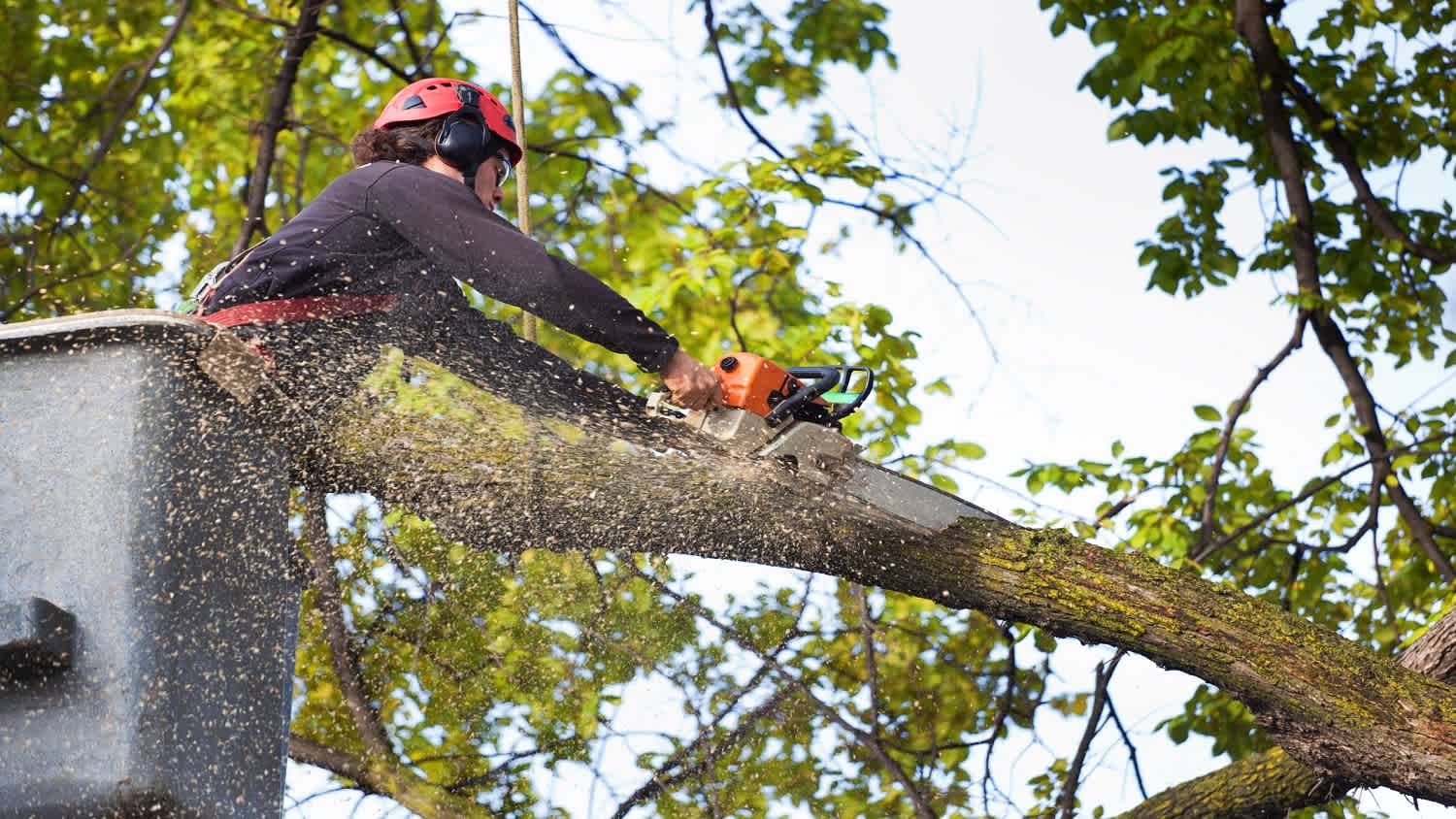
Chainsaw: Using a chainsaw is the fastest method, but it comes with significant safety risks, especially for inexperienced users.
Burning: This can be an effective method, but it is not recommended unless you can first drill holes into the stump. Without holes, the stump will be difficult to light and may not burn completely through.
A power drill with at least a ⅜-inch diameter bit can make the job quicker and easier, regardless of the primary method. While you can use a chisel or chainsaw without a drill, it will require more time and effort. Always wear protective goggles and thick gloves, as splinters are an inevitable risk.
Trees should be pruned every two to five years, depending on its age and type. Young trees should be inspected and pruned every two to three years. Mature trees should be inspected and trimmed every three to five years, and fruit trees should be pruned annually with a careful eye on seasonal growth. Evergreens typically don’t need pruning, unless branches or limbs are damaged, diseased, or harboring pests.
If a disease has attacked and destroyed the roots, then the tree may fall over as soon as it has died or while part of it is still alive. Trees that die with their roots left in place tend to stay standing for much longer, but those roots will decay eventually, allowing gravity to do the rest.
No, you cannot throw branches from your neighbor’s tree back into their yard, nor can you discard leaves or other plant matter that originated from their yard back over there if it happens to land in your yard. You are responsible for cleaning up plant matter that made its way into your yard.
It could be anywhere from weeks to years for a dead tree to fall. A dead tree falls based on its weight, how it leans, the state of its roots, the state of decay, and what local windstorms are like, among other factors. Since it’s hard to predict the fall’s timing, it’s important to cut down a dead tree quickly and avoid any unpleasant surprises.
The Gruver, TX homeowners’ guide to tree services
From average costs to expert advice, get all the answers you need to get your job done.
How much does an arborist cost? This guide explains the cost of different services, ongoing expenses, and other factors to consider when hiring an arborist.
Tree inspections can ensure your trees stay healthy and safe, preventing costly damage. Learn how much tree inspections cost and what can affect the price.
Follow these tips to learn how to find a good tree removal service. Doing a little research can help you save time and money when you need to say goodbye to your trees.
You suspect that the leaning oak tree in the back needs to come down, but can you just handle it yourself? Here are the pros and cons of calling a tree service.