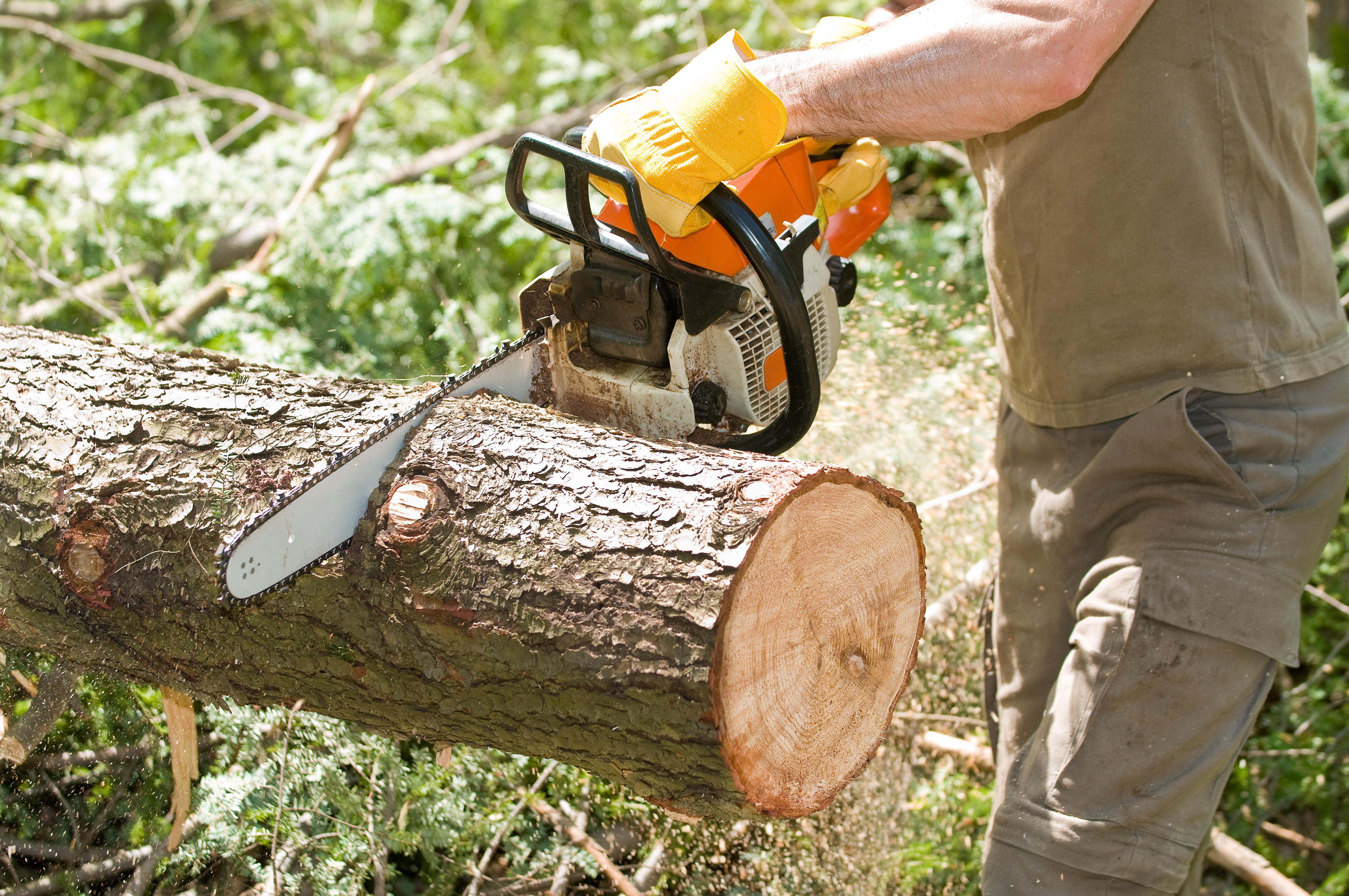
in the tree service business we go above and beyond to satisfy our customers. we are a honest, reliable, team of hard working individuals willing to satisfy all our customers
Welcome to D & D Contracting! We take pride in the quality of work and customer satisfaction that we give each and every customer. We are known to pay exquisite attention to detail while making customer satisfaction our top priority. Call us today to learn more about how we can help you!
We're a locally owned and operated company with over 20 years of industry experience. We value honesty and integrity in all aspects of our business. We offer a variety of Home Improvement services that are customizable to each individual project. We specialize in handyman/carpentry work and a variety of related service and repair projects. We pride ourselves on the quality of our work as well as our commitment to outstanding results. We look forward to building lasting relationships with our clients and guarantee your satisfaction!
\n
Hand crafted custom log work built from only the best in Engelmann Spruce & Lodgepole Pine. With over 15 years in the \nlog industry, Timberland Custom Log Works is proud to say, "We are top notch in the log industry."
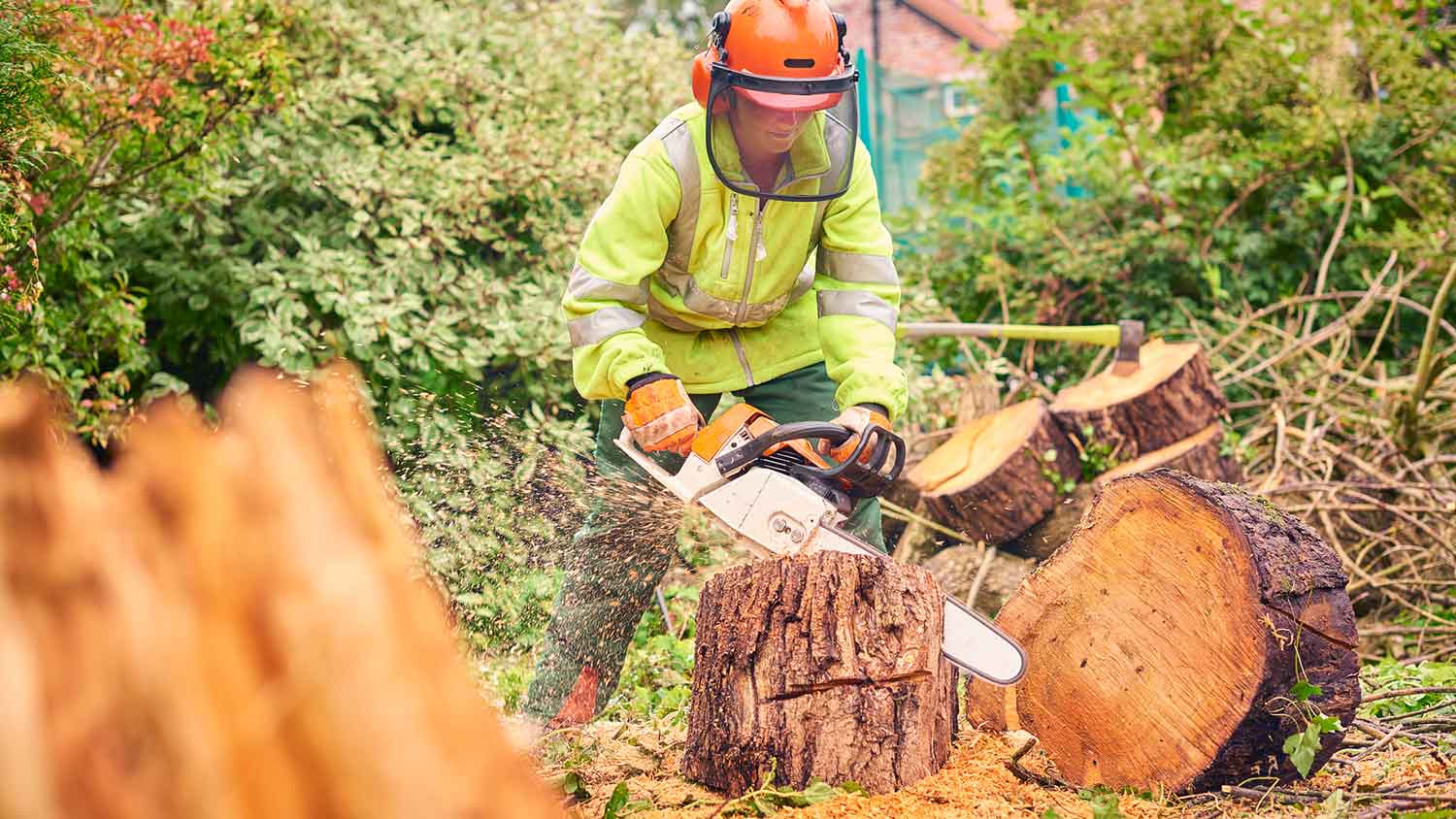
The best tools for tree removal include a chainsaw for large trees, an ax for notching and cutting down small trees, and a wedge to help control the direction a tree falls in. A hatchet can be useful for very small trees, but won’t be effective for medium to large trees.
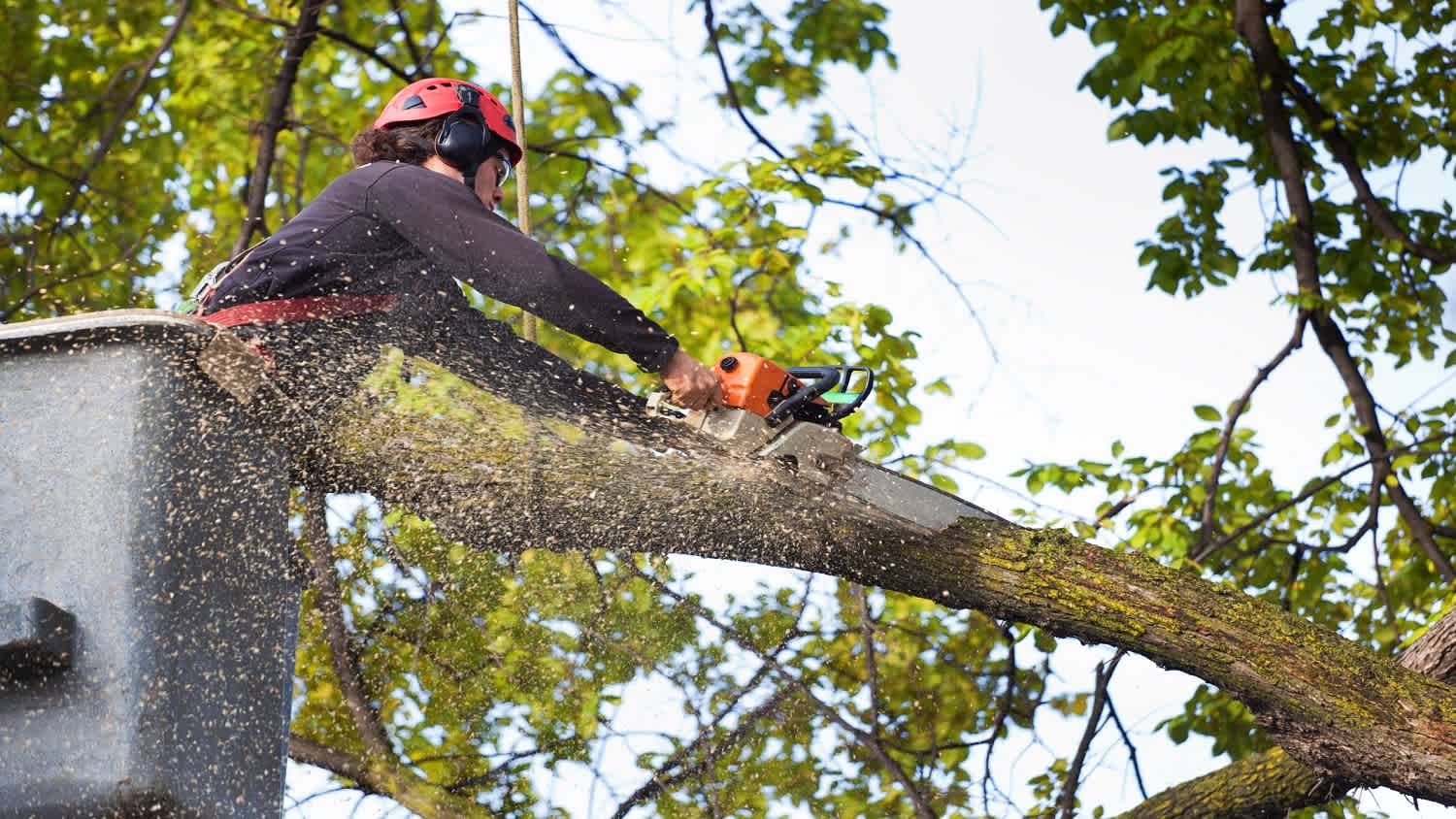
Trimming a tree can take anywhere from just two hours to a full day, depending on the age of the tree, the number of trees, and the species. Young trees are generally easier to trim, as their branches are often thinner in diameter and easier to reach compared to mature trees. They also tend to be healthier. If you haven’t trimmed your trees before or it’s been a while, the process could take even longer.
The depth of tree roots depends on the species. Trees like oaks and maples can have root systems that grow down 20 feet or more. However, trees that grow in shallow soils will have roots that go only a few feet down. Research how your tree species grows in your climate area to estimate root depth.
The Christmas tree type that smells the best to you will ultimately depend on personal preference. But if that classic Christmas tree smell is important to you, choosing a type of tree known for its scent is a safe bet. Try a balsam fir for a spicy, comforting scent or a Douglas fir for a sweeter smell. You may also like Fraser firs, Scotch pines, and blue spruces.
White vinegar does not kill ivy on trees because its acetic acid concentration is not high enough to overpower it. Vinegar is an effective herbicide for weeds and other plants, but not for the strength of most ivies, including poison ivy and English ivy. You should use an herbicide to kill ivy, such as one with glyphosate, imazapyr, or triclopyr.
The Springfield, CO homeowners’ guide to tree services
From average costs to expert advice, get all the answers you need to get your job done.
If you're dreaming of rocking around your—professionally decorated—tree this season, this is how much a Christmas tree decorating service will cost you.
How much does an arborist cost? This guide explains the cost of different services, ongoing expenses, and other factors to consider when hiring an arborist.
Get a clear estimate of palm tree maintenance cost, including trimming, fertilization, and pest control, so you can keep your palms healthy and your budget on track.
You suspect that the leaning oak tree in the back needs to come down, but can you just handle it yourself? Here are the pros and cons of calling a tree service.
Are there insurance requirements for tree services? Whether you’re having your trees trimmed or finally removing that old oak from your front yard, you’ll want to make sure your tree company or contractor has these two types of insurance, at minimum.