



Top-rated drywall pros.

Best drywall pros near Progreso, TX

Enter your zip and get matched with up to 5 pros

Need a pro for your drywall service project in Progreso, TX?

Select your specific project to find the pro for you.

TRUSTED BY PROGRESO, TX HOMEOWNERS

  • Average homeowner rating star icon4.5
    Average homeowner rating
  • Verified reviews icon21
    Verified drywall services reviews

Top-Rated Drywall pros in Progreso - Updated Nov 2026

CQP Construction
New to Angi
Drywall - Install - For BusinessDrywall - Repair - For Business

Serving Progreso, TX and surrounding areas

Approved

In business since 2019

Free estimates

Credit card accepted

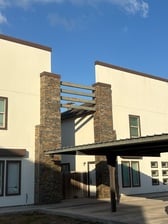
CQP Construction is a locally owned and operated company that values honesty and integrity and treats your home as if it were our own. We offer a variety of General Contractor services that are customizable to each individual project. You will find us to be competitively priced, paying close attention to the details of each and every project that we are involved with. We look forward to building lasting relationships and guarantee your satisfaction

Avatar for Property Maintenance Professionals LLC
Property Maintenance Professionals LLC
4.9(
14
)
Drywall - Install

Serving Progreso, TX and surrounding areas

In business since 2024

Free estimates

Credit card accepted

"Small jobs of fixing some soffit and skirting on mobile home and then had them come again to repair falling ceiling tile. They are fast, do excellent work and reasonable prices. They are a great couple. I’ll use them again and again."
Response time12 hrs
Response rate100%
...
Showing 1-10 of 148
Drywall FAQs, answered by experts

Although they have similar applications, spackle and joint compound are not the same. Their primary differences lie in their composition, consistency, and ideal use cases.

Spackle is composed of gypsum and binding agents, making it thicker than joint compound. It dries quickly and is easy to sand, which makes it ideal for small wall repair projects like filling nail holes or patching minor damage.

Joint compound, also known as drywall mud, consists of limestone and gypsum. It is primarily used for large-scale projects, such as taping and finishing the seams on newly installed drywall. It tends to shrink more than spackle and can be more difficult to spread.

While both products can be used to fill small depressions and cracks, spackle cannot replace joint compound for taping and mudding new drywall. Conversely, you can often use joint compound for small patching jobs typically done with spackle.

Beadboard is a decorative element and lacks the structural integrity of drywall. It cannot hold much weight and is not meant to be used as an insulator or moisture barrier, like drywall is. In almost all cases, beadboard is placed over an existing wall surface which, in modern days, is usually drywall, but decades ago could have been wood paneling.

Your walls are likely cracking due to fluctuations in the temperature outside. Drywall tends to expand and contract when temperatures and humidity levels change, and this repeated movement can lead to cracks in your walls, particularly around door frames. If you have multiple diagonal cracks, you may want to have your foundation inspected, as cracks can also be a sign of a bigger issue.

Knowing what causes drywall damage can help stop it before it starts. Here are some of the most common causes of drywall damage: 

  • Water damage from roof leaks or leaky pipes. 

  • Small holes caused by doorknobs, minor accidents, and rodent infestations. 

  • Wall dents stemming from moving furniture and minor accidents. 

  • Wall cracks that form from a settling foundation or seismic activity. 

  • Nail pops from nails and screws in the walls. 

  • Large holes that are caused by accidents with heavy objects, children and pets, or sporting equipment.

Wall anchors are suitable for drywall and plaster walls, which are common in most homes. However, different wall materials may require specialized anchors. For concrete or masonry walls, you'd typically use concrete anchors. When dealing with other wall types, such as brick or tile, specific anchors designed for those materials may be necessary. Always consult with a hardware specialist or check the manufacturer's recommendations to ensure you select the appropriate anchors for your specific wall type.

The Progreso, TX homeowners’ guide to drywall services

From average costs to expert advice, get all the answers you need to get your job done.