



Top-rated drywall pros.

Get matched with top drywall pros in Mission, TX

Enter your zip and get matched with up to 5 pros

Need a pro for your drywall service project in Mission, TX?

Select your specific project to find the pro for you.

TRUSTED BY MISSION, TX HOMEOWNERS

  • Average homeowner rating star icon4.7
    Average homeowner rating
  • Verified reviews icon52
    Verified drywall services reviews

Find Drywall pros in Mission

Avatar for AGI Stone Works, LLC
AGI Stone Works, LLC
5.0(
23
)

Serving Mission, TX and surrounding areas

Approved

In business since 2018

Free estimates

Emergency services offered

"The professionalism and expertise allowed me to get the best advice. I was updated on the project periodically and the quality of work was excellent. The finished product was just as we discussed. No issues or problems with the installation and quality of workmanship."
Response time10 hrs
Recommended by73%of homeowners
Avatar for DHE Fratti Construction
DHE Fratti Construction
4.8(
6
)

Serving Mission, TX and surrounding areas

Approved

In business since 1980

Free estimates

Emergency services offered

"I am very happy with the job done by DHE Fratti Const. They did an awesome job from start to finish. The team was professional, respectful and very attentive. I highly recommend them for anyone needing a cement slab for their future porch. Thanks for the job well done."
Response time5 hrs
Response rate99%
1 neighbors recently requested a quote
CQP Construction
New to Angi

Serving Mission, TX and surrounding areas

Approved

In business since 2019

Free estimates

Credit card accepted

CQP Construction is a locally owned and operated company that values honesty and integrity and treats your home as if it were our own. We offer a variety of General Contractor services that are customizable to each individual project. You will find us to be competitively priced, paying close attention to the details of each and every project that we are involved with. We look forward to building lasting relationships and guarantee your satisfaction

Salazar Construction and Maintenance Services
4.8(
135
)

Serving Mission, TX and surrounding areas

In business since 2017

Free estimates

Small jobs welcome

"We gave Mr. Salazar a variety of repairs to do. These included: replace kitchen sink faucet and strainers and drain lines, replace window sill, install base moulding and transition strips, repair damaged drywall, and apply popcorn texture to foyer ceiling. We were quite impressed with his wide range of skills! He was professional, courteous, timely, and willing to work around our unique constraints. We are already creating the next to-do list for him!"
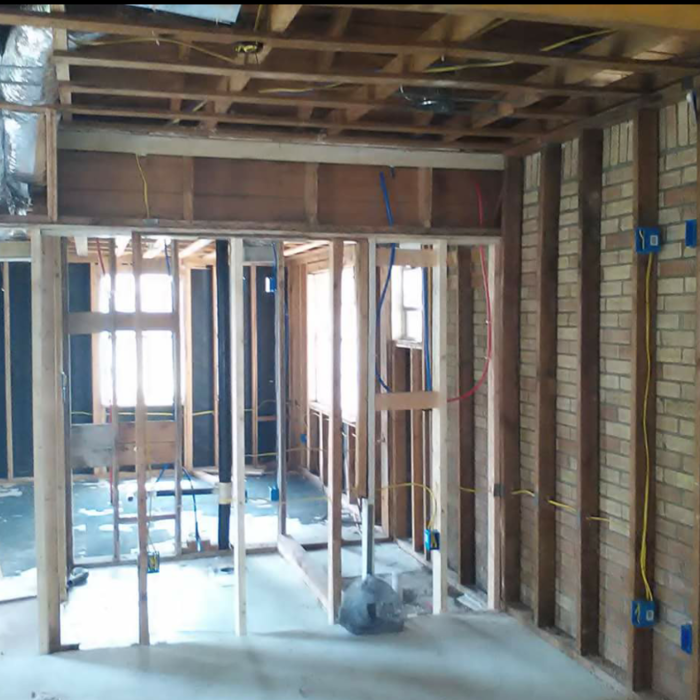
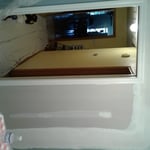
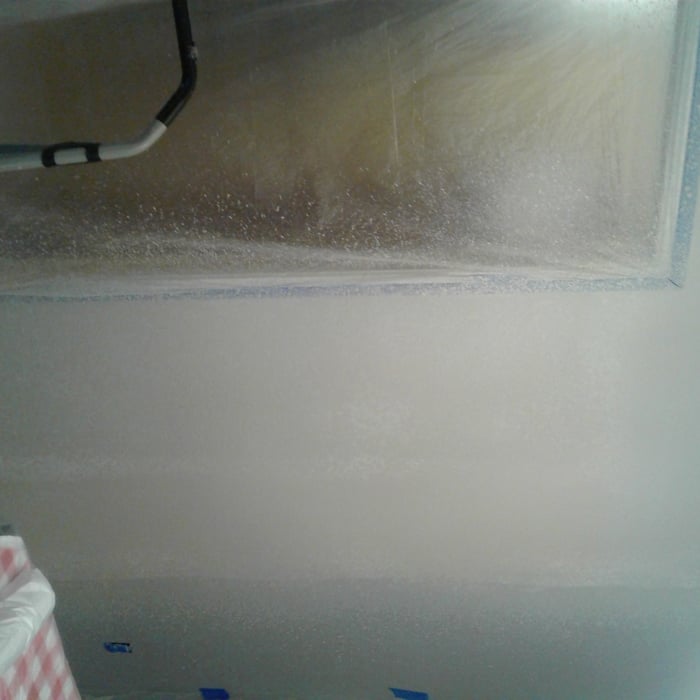
staging project by covering up floor, tables, etc.
drywall demolition
Install pocket door assembly reinstall drywall
tape and float seams smooth
texture coating

+33

Response time7 hrs
Response rate88%
Recommended by91%of homeowners

Straight Edge Appliance Service & Repair
4.8(
58
)

Serving Mission, TX and surrounding areas

In business since 2010

Emergency services offered

Warranties offered

"Roger was wonderful. The dishwasher broke in our unit. He came to fix it promptly. He is very professional and conscientious and honest. He explains things in terms I could understand. If I needed any appliance service I would definitely call him. His knowledge of appliances is outstanding. And he is the nicest person to talk with."
Response time1 day
Recommended by96%of homeowners
...
Showing 1-10 of 154
Drywall questions, answered by experts

Although they have similar applications, spackle and joint compound are not the same. Their primary differences lie in their composition, consistency, and ideal use cases.

Spackle is composed of gypsum and binding agents, making it thicker than joint compound. It dries quickly and is easy to sand, which makes it ideal for small wall repair projects like filling nail holes or patching minor damage.

Joint compound, also known as drywall mud, consists of limestone and gypsum. It is primarily used for large-scale projects, such as taping and finishing the seams on newly installed drywall. It tends to shrink more than spackle and can be more difficult to spread.

While both products can be used to fill small depressions and cracks, spackle cannot replace joint compound for taping and mudding new drywall. Conversely, you can often use joint compound for small patching jobs typically done with spackle.

A common cause of separation between a wall and the ceiling is truss lift—this can happen to the ceiling of rooms directly under the attic when the seasons change and wood building materials dry out, shrink, and shift. Roof trusses often dry out at different speeds, and if the bottom pieces dry out faster than the top pieces, they can shrink and pull the attached drywall away from ceilings and walls, causing cracks. Fortunately, truss lift is only a cosmetic problem, not a structural problem, and you can fix it by separating the ceiling drywall from the roof trusses, and patching the cracks.

Plaster itself has a higher R-value than drywall. However, there are other considerations surrounding plaster and insulation. As a general rule, it's easier to obtain consistency in insulating value and quality when working with drywall rather than plaster. Plaster walls often don't contain any insulation behind the wall covering by design, and careful evaluation is necessary when choosing to add it.

If you're comfortable hanging drywall yourself, you may be comfortable finishing it. But it's worth noting that finishing drywall adds several steps to the process and a lot of waiting time. Hiring a drywall installer may be the way to go if you'd rather spend your time doing other things or are nervous about leaving a rough surface.

All plaster walls will crack over time due to normal house settling and expansion and contraction from temperature and moisture changes. Small, thin hairline cracks are generally not serious and are mostly a cosmetic issue. However, larger or more significant cracks can indicate structural problems.

Here's how to tell the difference:

  • Cosmetic Cracks: Cracks that are 0.5 cm (0.2 inches) or thinner are typically cosmetic.

  • Structural Cracks: Cracks wider than 0.5 cm, excessive or deep cracks, multiple cracks in the same area, or cracks that span around corners can signify a structural or foundation issue. Cracks along the joints where walls meet the ceiling also warrant attention.

For cracks wider than 0.5 cm, structural repair is needed. If a crack is 2.5 cm (1 inch) or wider, or if you notice any signs of a structural problem, it is best to contact a plaster repair professional to assess the damage.

The Mission, TX homeowners’ guide to drywall services

From average costs to expert advice, get all the answers you need to get your job done.