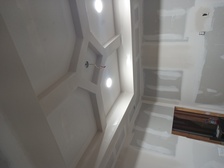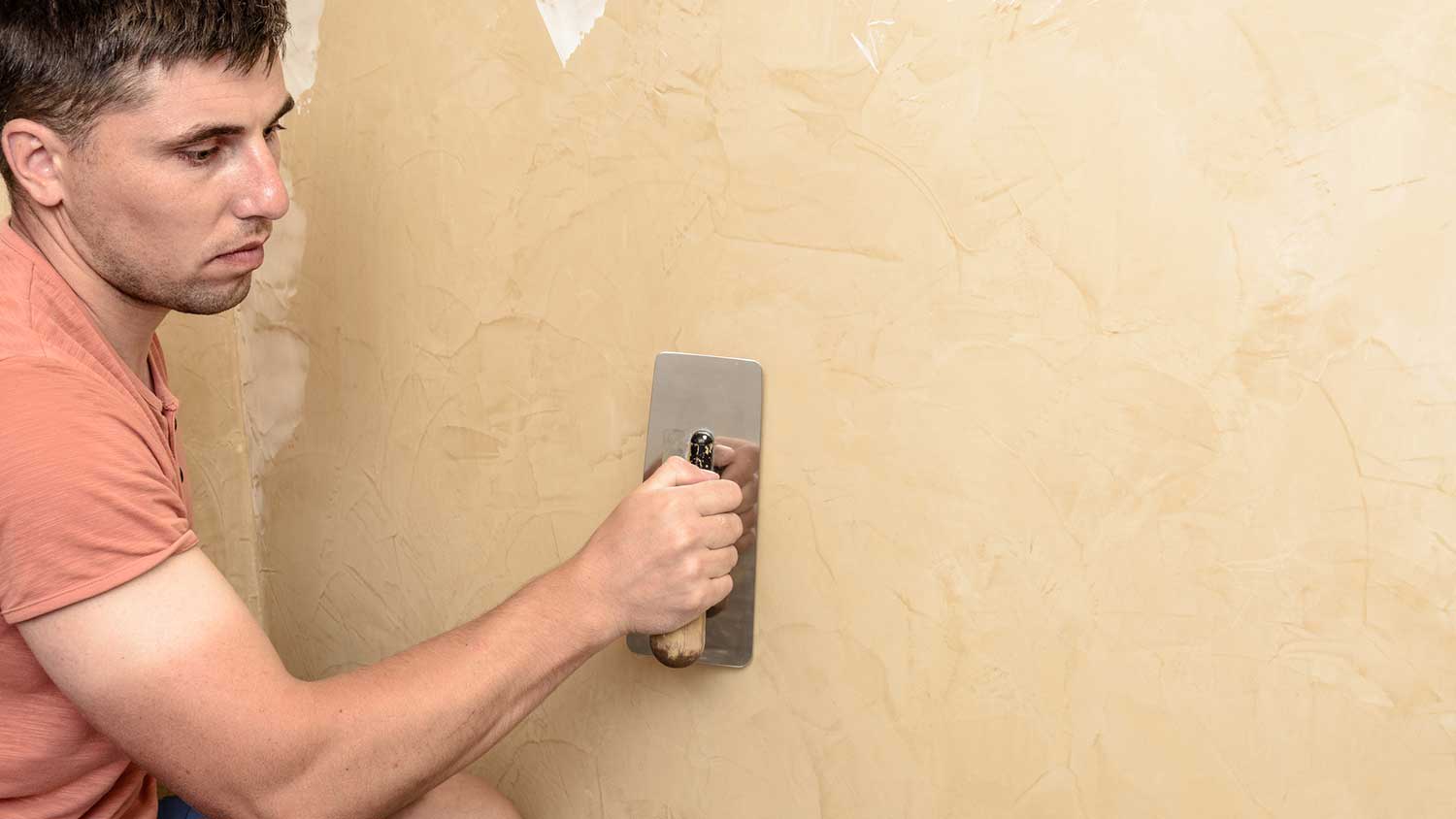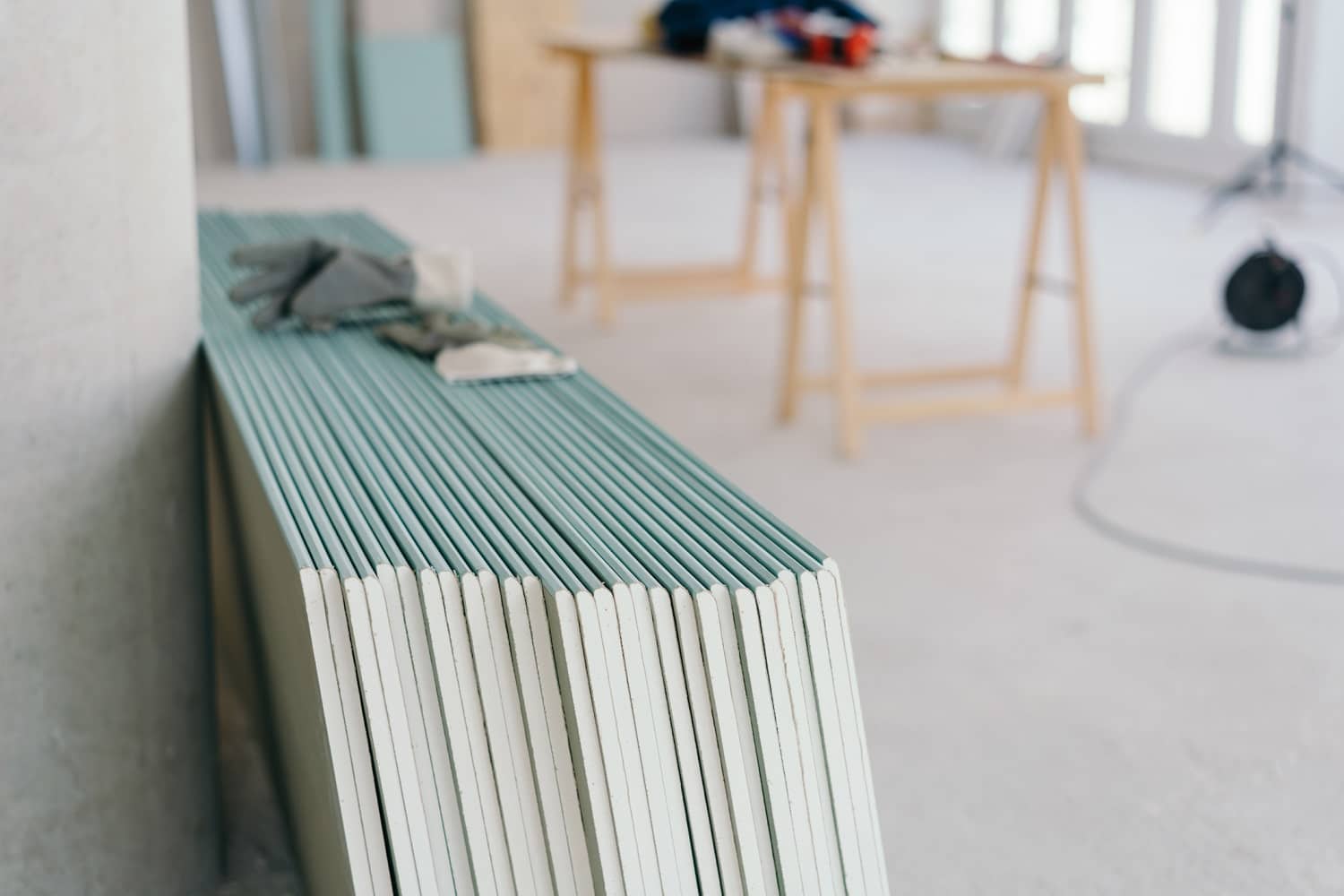


Top-rated drywall pros.

Best drywall pros near Alamo, TX

Enter your zip and get matched with up to 5 pros

Need a pro for your drywall service project in Alamo, TX?

Select your specific project to find the pro for you.

TRUSTED BY ALAMO, TX HOMEOWNERS

  • Average homeowner rating star icon4.5
    Average homeowner rating
  • Verified reviews icon36
    Verified drywall services reviews

Top-Rated Drywall pros in Alamo - Updated Nov 2026

Sergio Hernandez
New to Angi
Drywall - InstallDrywall - Install - For BusinessDrywall - Repair+1 more

Serving Alamo, TX and surrounding areas

Approved

Free estimates

Small jobs welcome

Offers commercial services

🏠 Need Drywall Repairs? Let’s Make Your Walls Look Like New!\n\nHello! My name is Sergio, and I provide professional drywall repair services throughout the Rio Grande Valley.\n\nWith over 15 years of experience in the drywall industry, I take pride in quality workmanship, attention to detail, and making sure every job looks its best.\n\nWhether you have holes, cracks, water-damaged drywall, ceiling damage, or imperfections that need attention, I’m here to help restore your walls and ceilings to their original condition.\n\n✅ Drywall patches and repairs\n✅ Wall and ceiling damage\n✅ Texture matching\n✅ Nail pops and cracks\n✅ Professional finishing and smooth results\n\nMy goal is to provide reliable service, quality results, and a hassle-free experience for every homeowner.\n\n📍 Serving Edinburg, McAllen, Mission, Pharr, and surrounding RGV areas.\n\nIf you or someone you know needs drywall repairs, feel free to send me a message for a quote. I’d be happy to help!\n\nThank you for supporting local

New home
New home
1 neighbors recently requested a quote
CQP Construction
New to Angi
Drywall - Install - For BusinessDrywall - Repair - For Business

Serving Alamo, TX and surrounding areas

Approved

In business since 2019

Free estimates

Credit card accepted

CQP Construction is a locally owned and operated company that values honesty and integrity and treats your home as if it were our own. We offer a variety of General Contractor services that are customizable to each individual project. You will find us to be competitively priced, paying close attention to the details of each and every project that we are involved with. We look forward to building lasting relationships and guarantee your satisfaction

...
Showing 1-10 of 175
Drywall FAQs, answered by experts

Vinegar and bleach are effective options for removing mold from drywall. Vinegar is a better choice if you have a smaller mold issue while bleach is best if you have a larger mold problem. If the area you're cleaning has limited ventilation, using vinegar would be a better option. In that case, you could mix vinegar with baking soda to remove more stubborn mold growth.

You should wait at least 24 hours for drywall mud to dry before sanding or applying another coat. However, the exact drying time depends on several factors, including the thickness of the application, room temperature, humidity, and the type of compound used. Thicker layers, or projects in high humidity, may require 48 hours or more. Lightweight compounds tend to dry faster than heavier, all-purpose ones. You'll know the mud is ready when it feels completely dry and firm to the touch and has changed to a consistent light color. Sanding too early can cause smudging or gouges, so patience is essential for a smooth finish.

Most handy homeowners can tackle removing texture from unpainted walls. Removing texture from painted walls is a bit trickier. Paint acts as a sealant, so you can’t soften the texture with water. Instead, you’ll have to add a layer of drywall compound known as a skim coat. This process is messy and takes some practice.

Drywall can be toxic to the environment and to humans in some cases. As drywall breaks down in a landfill and comes in contact with other organic chemicals, it can create hydrogen sulfide gas or leach into the groundwater. Additionally, the CDC recommends methods for controlling the inhalation of drywall dust when handled. While the common ingredients of drywall—gypsum, silica, and mica—are naturally occurring, they can cause irritation in some humans.

Although they are used for similar tasks, spackle and joint compound are not the same. Joint compound, also known as drywall mud, consists of limestone and gypsum and is primarily used for large-scale projects like taping and finishing seams on new drywall. Spackle is composed of gypsum and binding agents, making it a thicker compound best suited for small wall repairs like filling nail holes or cracks, as it dries quickly and is easy to sand. For small repairs, either product can be suitable. However, you can use joint compound for small jobs in place of spackle, but you cannot use spackle for large-scale taping and mudding projects.

The Alamo, TX homeowners’ guide to drywall services

From average costs to expert advice, get all the answers you need to get your job done.