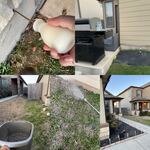
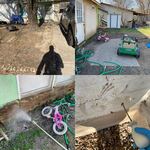
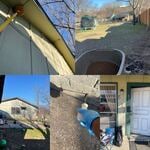
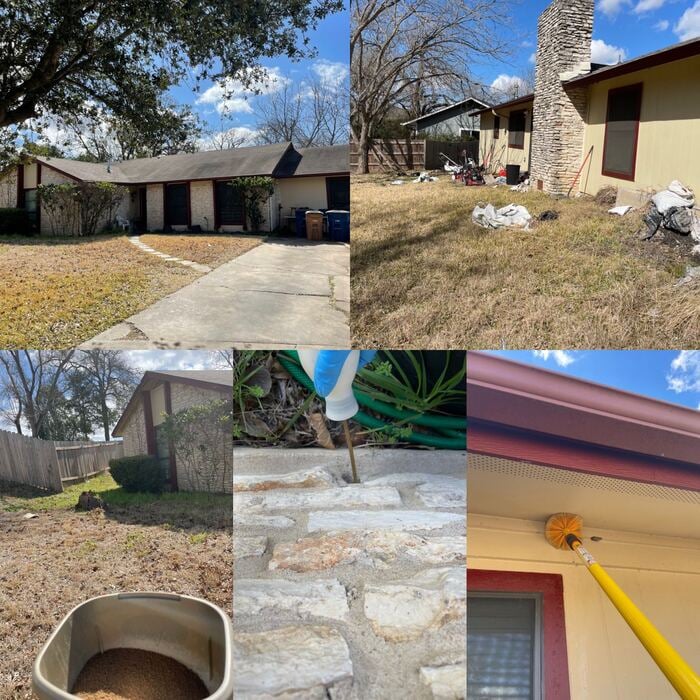
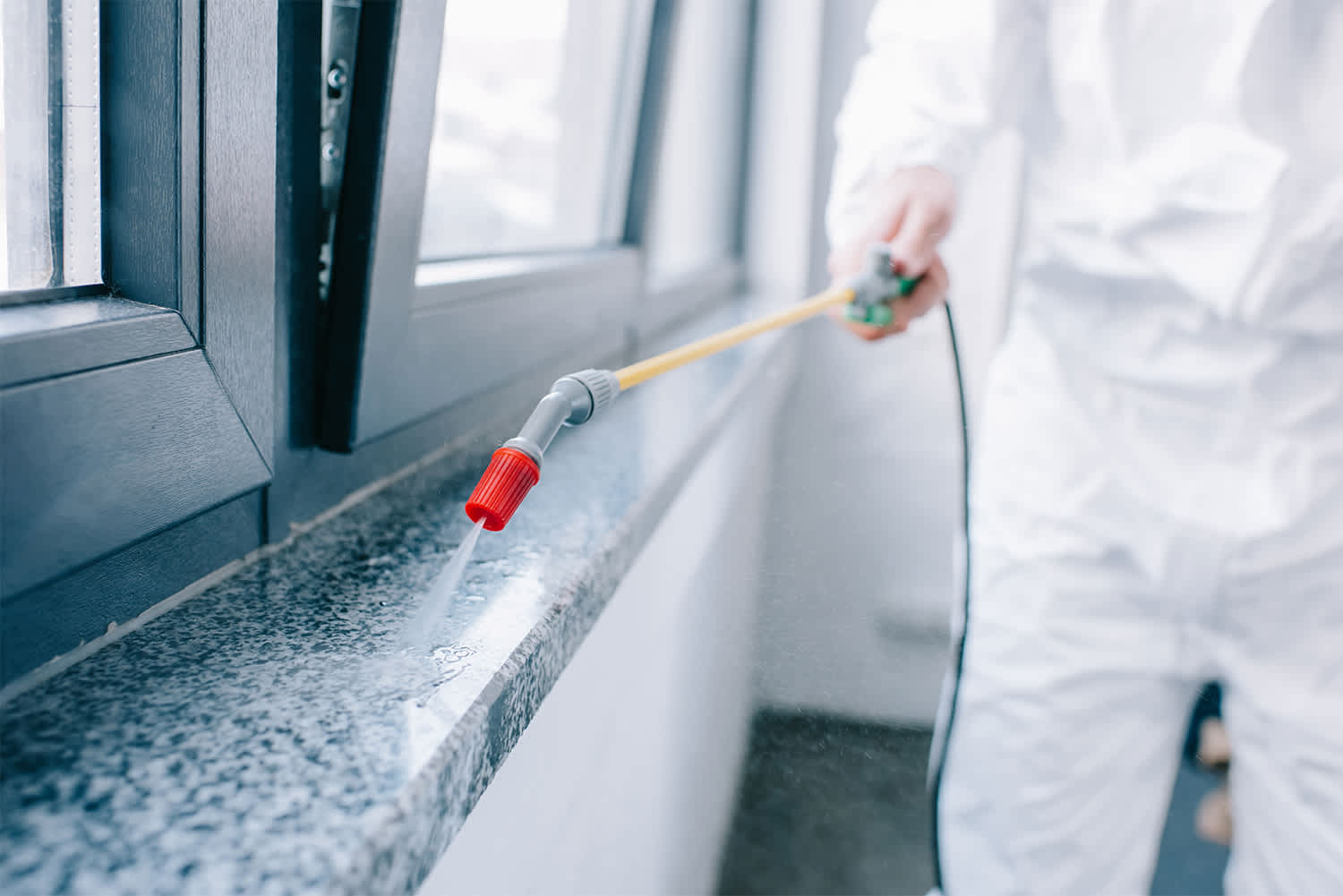
"Very knowledgeable guy who seem to know what he’s doing. Don’t know results of spraying. Have had much rain since. Will have to see if it worked. Terminex will spray again the beginning of next month."
"Well the first time they came out they were here for 30 min put a strobe light for a squirrel in the attic and charged me 273 dollars never checked back on me and I had to call them twice to come back out they came back was here for 45 minutes got the strobe light out patch the hole just with a foam spray not really secured I was not impressed and charged me another 110 dollars. Shaking my head for me being on a fixed income that was overpriced my opinion"
"United Air Temp was able to procure a replacement furnace controller board in a couple of days and Zachary was out within 4 days of the initial visit. The furnace now works very well."
When it comes to protecting homes, Terminix has satisfied more customers than any other insect and pest control company in the industry, with more than 15 million service visits annually.
Mosquito fogging should be done every two days during the first week of treatment. This level of frequency helps to interrupt the mosquito breeding cycle and prevent them from laying eggs in your yard. After the first week, mosquito fogging can be reduced to a schedule of once a week.
A flea can live as long as 100 days when it has a live host to feed on. They tend to live a much shorter life when they’re on a short-haired dog or cat versus a pet with longer hair. Without a host, fleas will typically only survive for about one to two weeks.
You should hire a wasp or hornet removal professional to get rid of an active or dormant hornet nest. Due to the feisty and dangerous nature of these pests, it’s best to hire a professional who has the proper skills, tools, and experience to remove a nest safely. Do not attempt to remove an active hornet nest on your own.
You might be tempted to call your local municipality to remove animals from your property, such as a groundhog burrowing in your yard or raccoons getting into your trash cans. However, they typically only remove domestic animals like dogs and cats from properties, or sick and injured wildlife that pose a public safety risk or health threat, such as a rabid animal. They typically do not capture or remove healthy wildlife.
Animal removal professionals have the tools, knowledge, and skills to trap and remove wild animals adequately and humanely. They also can relocate them correctly.
The hardest ant to get rid of is the pharaoh ant. Although small, pharaoh ants can spread infections in hospitals and are known to transmit infectious diseases in schools, apartment complexes, and office buildings. For this reason, they’re best handled by pest control professionals.
The Paducah, TX homeowners’ guide to pest control services
From average costs to expert advice, get all the answers you need to get your job done.