
Landers Ranch Services
Building Site - Preparation and ClearingBuilding Site - Preparation and Clearing - For BusinessExcavation - Major Grading or Resloping+2 more
Serving Aspermont, TX and surrounding areas

*The Angi rating for Excavation companies in Aspermont, TX is a rating based on verified reviews from our community of homeowners who have used these pros to meet their Excavation needs.
*The HomeAdvisor rating for Excavation companies in Aspermont, TX is a rating based on verified reviews from our community of homeowners who have used these pros to meet their Excavation needs.
Last update on August 17, 2023
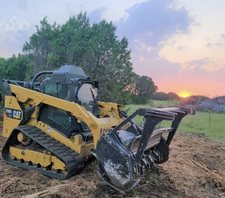
Serving Aspermont, TX and surrounding areas
In business since 2021
Credit card accepted
Offers commercial services
"I received a call not 5 minutes after the search! He came out, gave me his bid and I hired him on spot due to his professionalism and honesty regarding the job. He performed the job wonderfully! I will use his services again and again and would recommend his company for your landscaping needs. Top notch! I accidentally gave his great review to woodys company BUT 5X iIS YOUR GO TO ANYTIME!!"
Serving Aspermont, TX and surrounding areas
In business since 2004
Free estimates
"I wish everyone treated you the way he treated me."
Serving Aspermont, TX and surrounding areas
In business since 2000
Free estimates
Credit card accepted
Haught's Dozer Service proudly serves it's customers with pride, integrity and attention to the details that matter most to you. This is one of the many things that sets us apart from the rest. We are locally owned and operated. Give us a call today!
Serving Aspermont, TX and surrounding areas
In business since 2024
Free estimates
"Experienced, friendly and helped us decide on what to do so it was perfect. Definitely will use again."

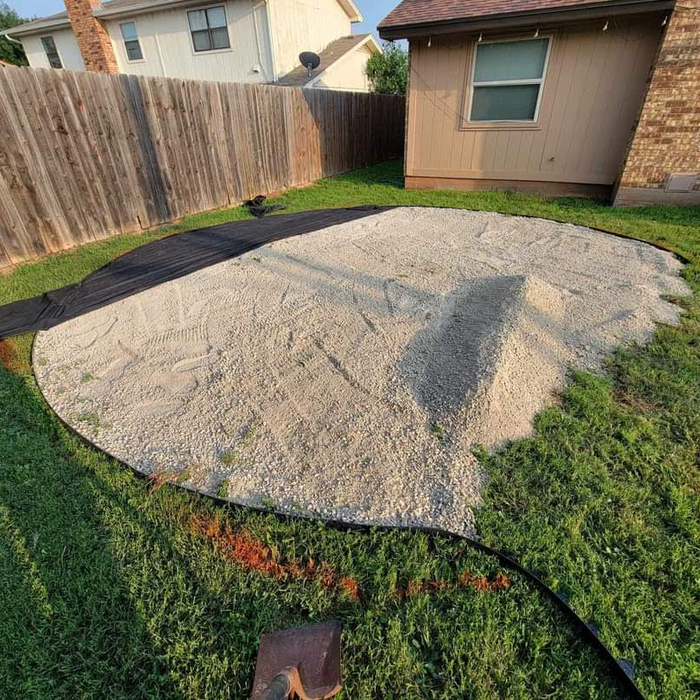
+5
Serving Aspermont, TX and surrounding areas
In business since 2007
Free estimates
Credit card accepted
At RDM Backhoe and Dirt work, we sustain our business on quality and integrity. We are experts in our trade and our commitment to quality shows from beginning to end of your project. We look forward to earning your business.
Serving Aspermont, TX and surrounding areas
In business since 2008
Free estimates
Emergency services offered
"The service went great. They were personable, honest and they respond to my questions. They were easy to work with and responsible."
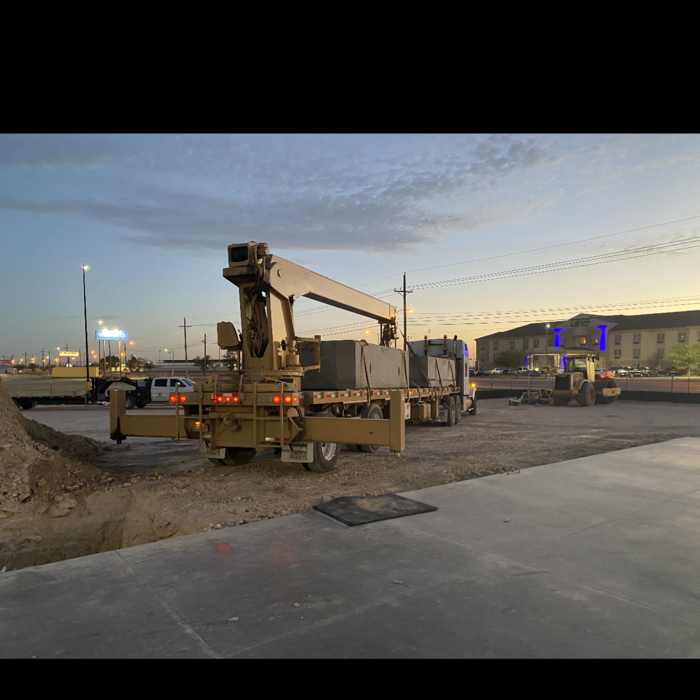
+21

Serving Aspermont, TX and surrounding areas
In business since 2014
Free estimates
Emergency services offered
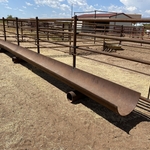
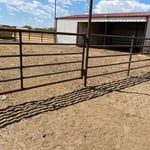
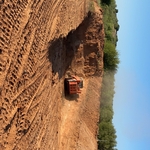
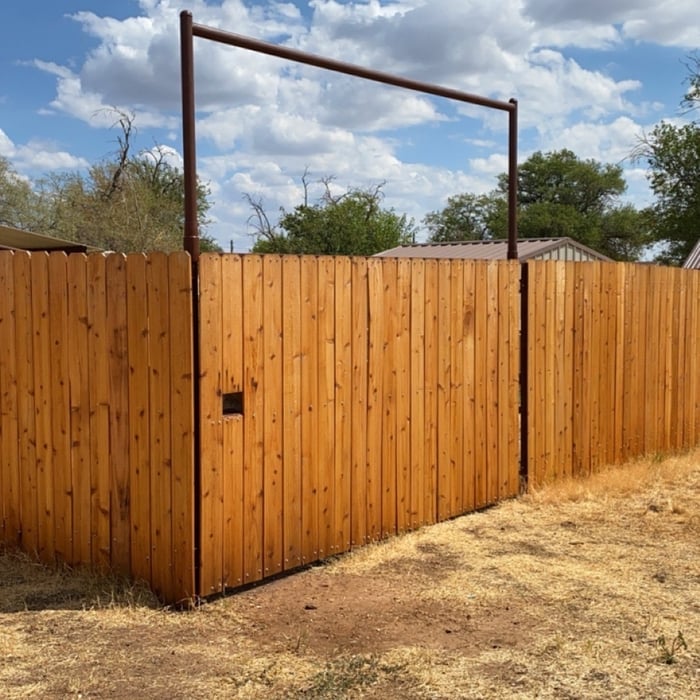
"Flying F Services did a great job clearing brush and demolition on a vacant house and lot. I highly recommend Flying F Services to anyone needing a demolition job."

+7
Serving Aspermont, TX and surrounding areas
In business since 2023
Free estimates
Small jobs welcome
"Very professional, They get the job done right and in a timely matter!"
Serving Aspermont, TX and surrounding areas
In business since 2018
Free estimates
"The attention to detail was great."
From average costs to expert advice, get all the answers you need to get your job done.

Excavation costs $1,500 to $6,300 for most residential projects—but it depends on factors like the size of the area. This guide will help you plan a budget.

Preparing for a big excavation project in your yard? Find out excavator rental prices by type, project size, and more to budget for your project.

You can't have an in-ground pool without digging into the ground. How much does pool excavation cost, and can you take it on yourself? Our guide explains.

Can you excavate in the winter? Sometimes, but it’s complicated. Find out the pros, cons, and steps for planning a winter excavation project.

Discover what excavation is, the different types, and when it's needed in construction. Learn key insights for your next big home project.
Planning a backyard overhaul? Learn about grading and excavation costs, site preparation steps, and how to hire the right local pro for your project.