







Top-rated tree service pros.

Get matched with top tree service pros in Orange Grove, TX

Enter your zip and get matched with up to 5 pros

Need a pro for your tree service project in Orange Grove, TX?

Select your specific project to find the pro for you.

TRUSTED BY ORANGE GROVE, TX HOMEOWNERS

  • Average homeowner rating star icon4.4
    Average homeowner rating
  • Verified reviews icon20
    Verified tree services reviews

Find Tree service pros in Orange Grove

Avatar for Landers Ranch Services
Landers Ranch Services
5.0(
7
)
Tree RemovalTree Removal - For BusinessTree Stump - Remove+5 more

Serving Orange Grove, TX and surrounding areas

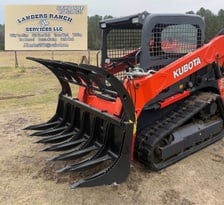
At Landers Ranch Services, we are a reputable excavation company located in Grimes County, TX. Serving the surrounding areas, we pride ourselves on delivering top-notch services to meet all our clients' excavation needs. With our skilled team and state-of-the-art equipment, we ensure efficient and reliable results for every project.

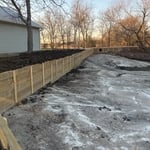
Bulkhead
Bulkhead
Bulkhead
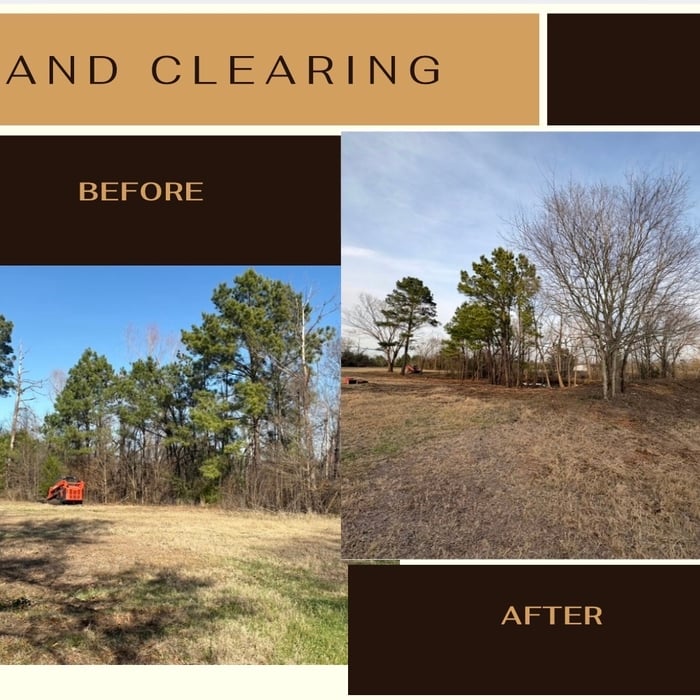
Land clearing
Land clearing

+10

Recommended by14%of homeowners
Avatar for S&S Landscaping
S&S Landscaping
5.0(
3
)
Tree RemovalTree Trimming

Serving Orange Grove, TX and surrounding areas

In business since 2022

Free estimates

"Johnny has done tree trimming for us on several occasions and his work has been top notch. He and his team clean up all limbs and debris in a timely manner. He is always dependable! He recently did a water damage project for us in our outside shed and he was a lifesaver! We didn't know where to begin. He jumped right on the project and completed everything in two days and beyond our expectations!"
Response time10 mins
Recommended by100%of homeowners
...
Showing 1-10 of 53
Tree Service questions, answered by experts

No. Topping a tree refers to severely cutting down all its major branches and tree in a straight line. It was once recommended for streetside deciduous trees but has fallen out of practice. Topping leads to many problems, removing so much of the tree that many trees struggle to survive and become much more vulnerable to insects and diseases. Also, it doesn’t really help tree growth as once assumed and often leads to an ugly appearance of many sprouting stems in competition to become new main branches.

There are many signs that a tree is diseased or dying, and if you suspect that’s the case, you should call an arborist immediately. You might notice rot or fungus on the trunk or that the tree is beginning to lean to one side. Brittle branches or signs of root damage are other indicators that a tree is in trouble. If the tree is dying, it might be time to cut the tree down so it doesn’t fall.

In some states and municipalities, you will need a permit to remove a tree on your property. In many cases where permits are required, a tree must reach a maximum height before a permit is required to remove it. You can either ask your local building department or a tree removal professional if you’ll need a permit. If you do, you can expect to pay between $50 and $150 for the permit alone. Your tree removal company should pull the permit for you and include the permit fee in your total.

It is possible to cut down a tree on your property yourself, but it is generally not recommended unless specific conditions are met. You should only consider this project if the tree is small (e.g., under 4-5 inches in diameter and short enough that you don't need a ladder to reach the branches), and you are experienced in handling a chainsaw. The tree must also be located far from any power lines, fences, homes, or other structures. Even for small trees, the work can be dangerous, and it's always advisable to have a spotter to ensure the tree falls correctly and no branches fall on you.

For any tree that is large, requires a ladder to access, or is near electrical lines or structures, you should always hire a professional. Attempting to remove a large tree yourself is extremely dangerous, poses a risk of serious injury, and could result in significant damage to your property.

Before any tree removal, it's also important to check your local and state regulations to ensure the tree is not historic or otherwise protected by your city.

In most ways, palm trees are incredibly low-maintenance. They don’t need a ton of water—which is why they’re so beloved in desert regions—and they basically prune themselves. But they do need an ample supply of sunlight and to be in soil that will allow for proper drainage so that their roots don’t become waterlogged and at risk of developing illnesses.

If the plant begins to wilt, develop spots, or change color, these could all be signs that your palm tree has a disease. But a few basic treatments, like pruning and applying fungicide, will usually be more than enough to return it to perfect health.

The Orange Grove, TX homeowners’ guide to tree services

From average costs to expert advice, get all the answers you need to get your job done.