





Get matched with top tree service pros in Freer, TX
Top-rated tree service pros.

Need a pro for your tree service project in Freer, TX?

Select your specific project to find the pro for you.

Find Tree service pros in Freer

Avatar for Landers Ranch Services
Landers Ranch Services
5.0(
7
)

Serving Freer, TX and surrounding areas

Approved

Customers say: Quick response

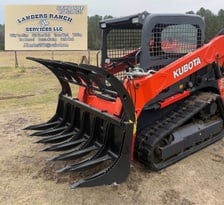
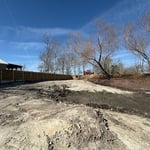
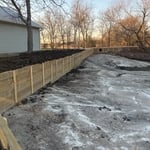
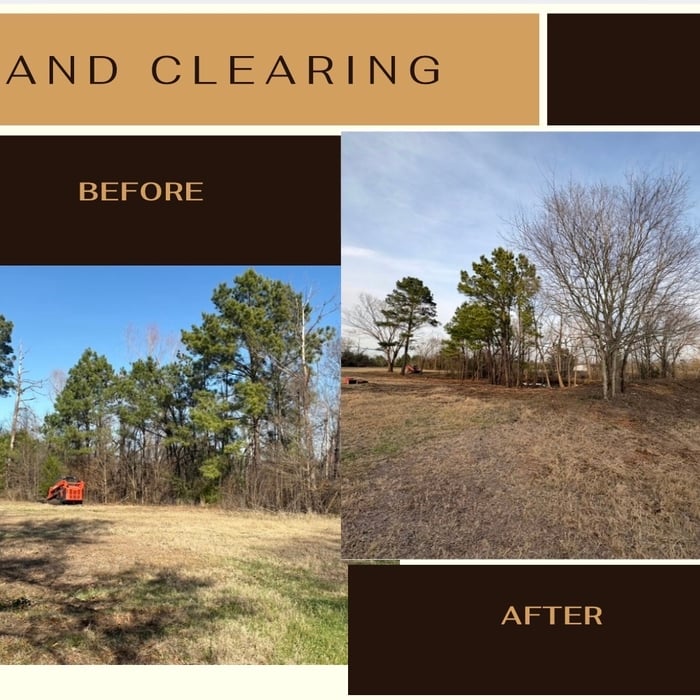
At Landers Ranch Services, we are a reputable excavation company located in Grimes County, TX. Serving the surrounding areas, we pride ourselves on delivering top-notch services to meet all our clients' excavation needs. With our skilled team and state-of-the-art equipment, we ensure efficient and reliable results for every project.

Bulkhead
Bulkhead
Bulkhead
Land clearing
Land clearing

+10

1 neighbors recently requested a quote
Recommended by14%of homeowners
TxR Services
5.0(
1
)

Serving Freer, TX and surrounding areas

In business since 2020

Free estimates

Offers commercial services

is committed to excellence in every aspect of our business. We uphold a standard of integrity bound by fairness, honesty, and personal responsibility. Our distinction is the quality of service we bring to our customers. Accurate knowledge of our trade combined with ability is what makes us true professionals. Above all, we are watchful of our customers' interests and make their concerns the basis of our business.

Recommended by100%of homeowners
JR Services
New to Angi

Serving Freer, TX and surrounding areas

In business since 1993

Free estimates

At JR Service we pride ourselves on being the best tree service in the area.\n\nWe've built an excellent reputation for customer satisfaction by providing quick estimates, a great attention to detail, and competitive pricing.\n\nBeing a screened and approved professional gives you the peace of mind you need to allow us to give your home the attention it deserves. Call us today and let's get started!

Showing 1-10 of 24
Tree Service questions, answered by experts

Absolutely. These steps are significantly easier, too, especially when it comes to preserving the root ball and moving the palm tree. However, you will want to make sure the tree has plenty of fertilizer to establish itself and start growing. Supports may also be more important, as it can take extra time for a potted palm to spread out its roots. If you are transferring a palm to another pot, you’ll want to move up a size or two to a larger pot. Make sure the pot has excellent drainage to keep the palm from getting waterlogged.

A tree growing close to a house can pose several risks, but removal isn't always the only or best solution. Potential problems include roots growing into the foundation and causing structural cracks, branches damaging the roof or promoting moss growth, and debris clogging gutters, which can lead to water damage. Trees can also provide access for pests and encourage mold. However, a small, healthy tree may not be a problem, and for larger, established trees, strategic trimming can be a cheaper and more beneficial alternative to removal. It is generally recommended to take action for trees within 10 to 20 feet of your home, especially if they are unhealthy or encroaching. Your best bet is to consult a professional arborist who can assess the specific situation and provide expert advice.

You don’t always need a permit to grind a stump, but you might need one depending on your location and the stump’s surroundings. Permits are often needed if the stump is part of a protected tree species, near public areas or utility lines, or close to environmentally sensitive zones like wetlands. Some cities also regulate noise and work hours. Always check local rules before grinding, and contact your city or county office if you're unsure.

As a general rule, the protected area should be about 1½ times as wide as the canopy of the tree’s leaves. This digging measurement can vary by tree species and the age of the tree. Of course, that can be a lot of fencing for larger trees, which is why our first step is about making difficult decisions on which trees to save.

The best time to trim trees is in late fall through winter when the tree has slowed its growing for the year. Cold weather stops insects and fungal growth from attacking a new tree wound. Summer and fall are considered the worst times to trim trees, but it’s permissible in certain scenarios, such as tree disease, damaged branches, or small, aesthetic cuts.

The Freer, TX homeowners’ guide to tree services

From average costs to expert advice, get all the answers you need to get your job done.