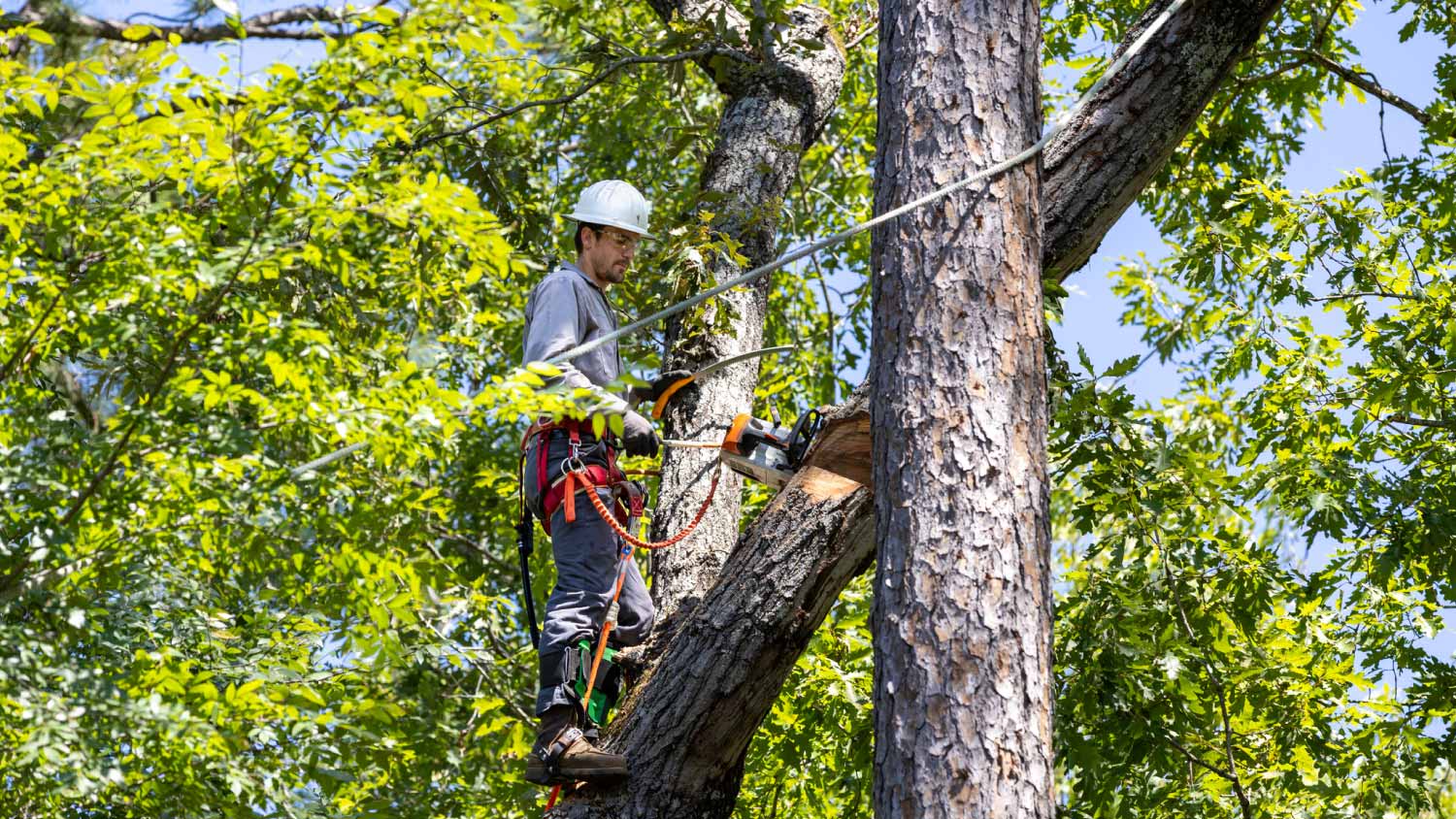









Top-rated arborists.

Best arborists near Orange Grove, TX

Enter your zip and get matched with up to 5 pros

Need a pro for your arboricultural service project in Orange Grove, TX?

Select your specific project to find the pro for you.

TRUSTED BY ORANGE GROVE, TX HOMEOWNERS

  • Average homeowner rating star icon4.3
    Average homeowner rating
  • Verified reviews icon29
    Verified arboricultural services reviews

Top-Rated Arborists in Orange Grove - Updated Nov 2026

Avatar for Williams St Nursery & Landscaping
Williams St Nursery & Landscaping
4.8(
13
)
Tree RemovalTree Removal - For BusinessTree Stump - Remove+5 more

Serving Orange Grove, TX and surrounding areas

In business since 2013

Free estimates

Emergency services offered

"John and Christina are two of the kindest and most hardworking individuals that I have done business with. They kept in touch with me throughout the whole process and always called, texted, or alerted me to what was happening and occurring at all times throughout the project. DeShawn and Juan did an excellent job on my landscaping project. Both gave meticulous attention to all the details of the projects and answered all of my questions throughout the whole process. I will DEFINITELY use them again and highly recommend Williams Street Nursery to anyone considering lawncare, landscaping, or other yard projects. Brian S."
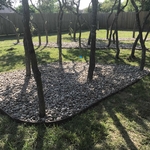
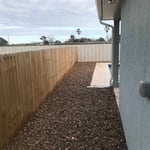
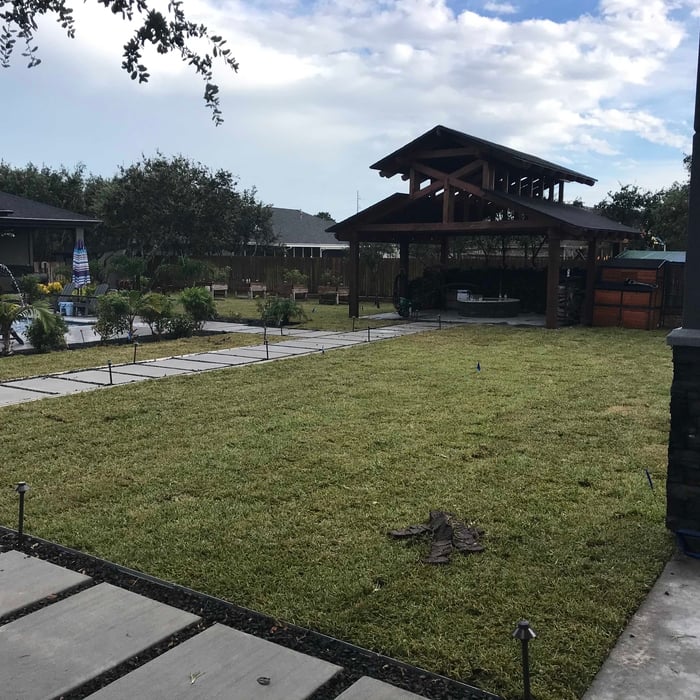
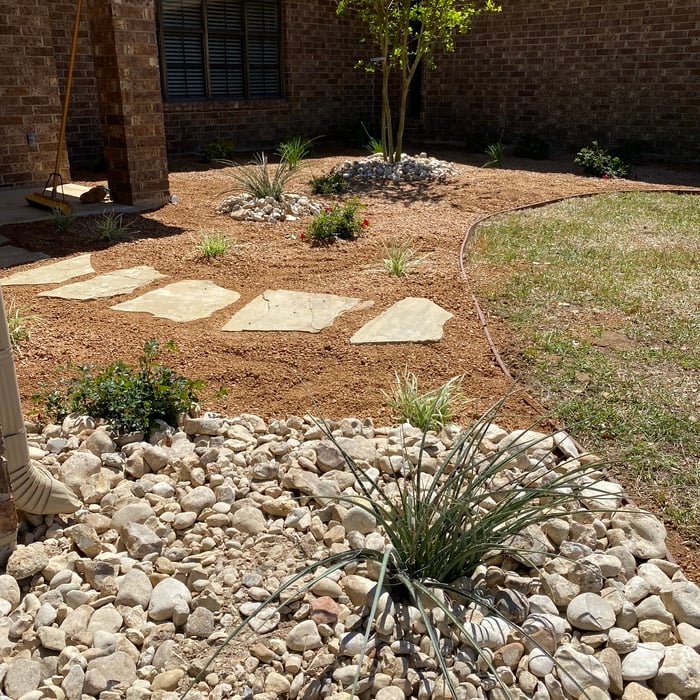
Landscaping Project
Landscaping Project
Landscaping Project
Landscaping Project
Landscaping Project

+65

Recommended by92%of homeowners
...
Showing 1-10 of 53
Arborists FAQs, answered by experts

Most plum trees are pruned into a vase or open wine glass shape. They’ll have a shorter central leader (the trunk) that supports three to four main branches. Of course, this isn't always the case. If you have a European plum tree, you can grow it in a pyramid shape. Let the central leader extend the length of the tree and prune smaller branches to create the pyramid.

Aim to have your trees inspected and pruned in early spring. At this point in the year, tree service professionals can note where there is old growth from winter and cut that back to encourage new growth for the rest of the year. Pruning at the wrong time of the year could make your trees prone to diseases.

If it’s only a smaller branch that has died and you’re keeping an eye on the tree, it’s probably nothing to worry about. But if other nearby branches start dying off as well, or a very large branch dies, then you likely have a bigger problem. It’s time to watch for diseases and other problems and possibly get professional guidance on how to proceed.

Rock salt or Epsom salt can damage and kill tree roots over several weeks and can even assist in removing the tree's stump. However, you need to drill holes or cut into the stump and surface tree roots to inject them properly with the salt. Repeat the process every two weeks until the roots visibly rot away.

The best time to transplant a tree is when it is dormant. For many trees, this means either in the fall after the leaves have dropped (around October or November) or in early spring before new growth begins (around March). The ideal timing can depend on the type of tree. Deciduous trees do well when moved in early spring or fall, while evergreens are best transplanted in early spring or late summer. For example, pine trees are best moved in early fall, but maples prefer late fall. Avoid transplanting in winter, as the frozen or hard, cold soil poses a significant risk to the roots and prevents the tree from acclimating properly.

The Orange Grove, TX homeowners’ guide to arboricultural services

From average costs to expert advice, get all the answers you need to get your job done.