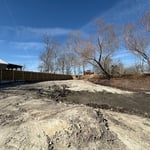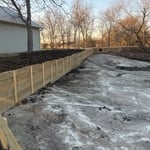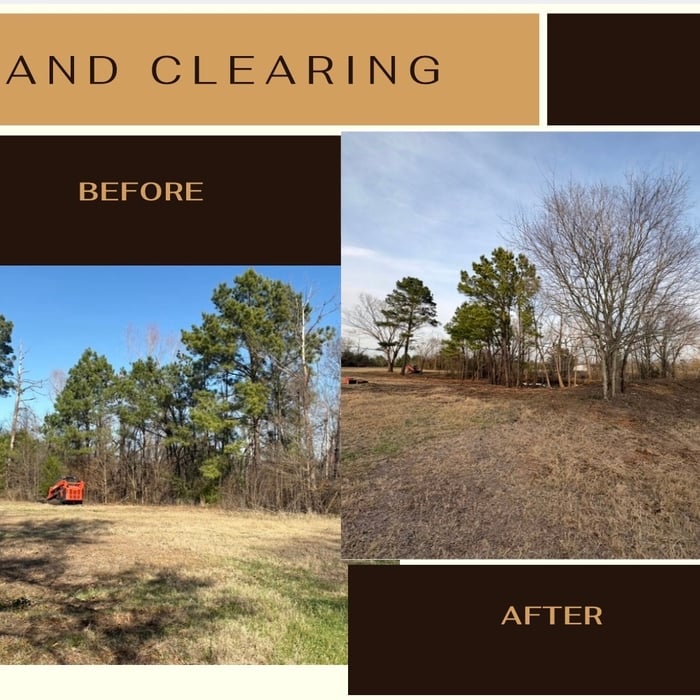







Top-rated excavation pros.

Best excavation pros near Orange Grove, TX

Enter your zip and get matched with up to 5 pros

Need a pro for your excavation project in Orange Grove, TX?

Select your specific project to find the pro for you.

Top-Rated Excavation pros in Orange Grove - Updated Nov 2026

Avatar for OLD MAN JOE'S CONSTRUCTION AND CONTRACTING
OLD MAN JOE'S CONSTRUCTION AND CONTRACTING
4.8(
23
)
Building Site - Preparation and ClearingBuilding Site - Preparation and Clearing - For BusinessExcavation - Major Grading or Resloping+2 more

Serving Orange Grove, TX and surrounding areas

In business since 2015

Free estimates

Credit card accepted

"They did an excellent job replacing the window and all the wood trim inside and out. They matched my paint and were very professional. Although it was a little more involved with some rotten wood, they stood by their estimate. Professional, on-time, work performed exceeded my expectations."
Recommended by100%of homeowners
Avatar for Baird Foundation Repair
Baird Foundation Repair
4.5(
90
)
Building Site - Preparation and ClearingBuilding Site - Preparation and Clearing - For BusinessExcavation - Major Grading or Resloping+2 more

Serving Orange Grove, TX and surrounding areas

In business since 1969

Free estimates

Credit card accepted

"Great experience with a very professional crew. The work of fixing my front sidewalk and driveway was completed quickly, on time, and looks great now! Thanks to Jackie and Ryan, who did the repair work. They were friendly, efficient, and quickly completed all the work needing to be done. They answered all my questions. I would go to Baird Foundation Repair without hesitation for any future foundation or concrete work, if the need develops. I'll be recommending Baird to all of my neighbors and friends. Oh, and the cost of the work being done actually came in a little under what I was expecting, which was a very nice surprise!"
Additional Photos
Separation between Ceilings and Walls
Cracks in Doorways
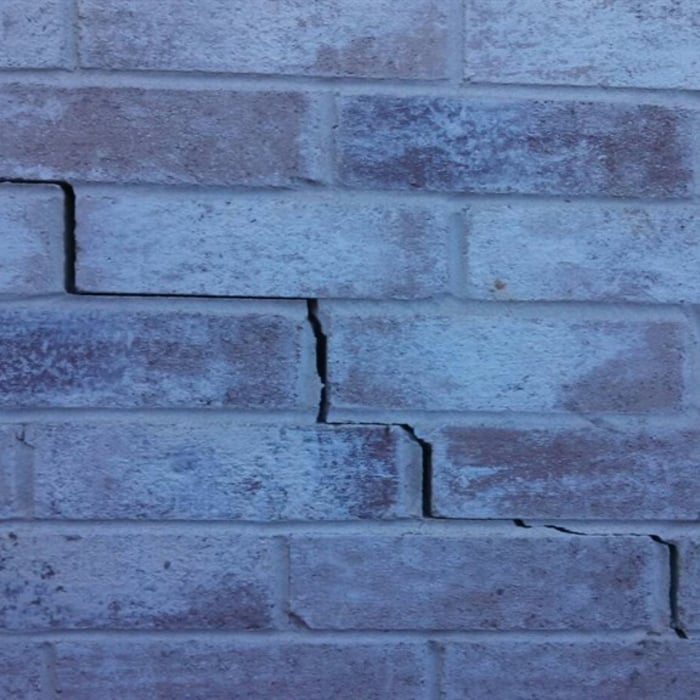
Stair Step Cracking on Exterior
Before

+4

Recommended by88%of homeowners
...
Showing 1-10 of 56
Excavating FAQs, answered by experts

Prior to excavation, you should prepare the dig site and call 311 before you sign anything.

To get your site ready for excavation, you should move anything in the area that isn’t affixed to the land. You can save money on the excavation by removing hardscaping, including walkways, decks, concrete patios, and paver patios.

Before you carry out any digging, you should call 311 to confirm that there are no utility lines running through your excavation site. Skipping this step could lead to severe injury and property damage if your excavator hits a water, sewage, or gas line.

If you have a broken sprinkler pipe underground, there will be some signs you can easily spot to locate it and take action. These include leaks, water spouts, flooding, consistently damp areas on your lawn, low water pressure, and grass around the sprinkler head that’s taller and darker than anywhere else in the yard. 

If there are no obvious signs of a broken pipe, you can use tools such as water leak mics, leak noise loggers, audio devices that record leaks, and acoustic testing links. 

Broken pipes can lead to uneven watering, plant damage, and higher utility bills. The longer you wait to fix them the more the repair cost may be.

Downspouts should be buried at least 5 to 10 feet away from your foundation. This can vary depending on your local building codes, soil type, and property slope. The main goal is to ensure water is directed away from your foundation.

Professional installers often include a deep layer of crushed gravel under permeable pavers to allow more runoff to soak through into the soil below. Many installations will include multiple layers of gravel, with coarser aggregate at the base and finer aggregate that sits on top of that bottom layer. Above the gravel, you’ll often find coarse sand that helps reduce paver shifting over time. Some permeable paver designs include a water collection system set into the gravel layer to route runoff to a safe area for disposal.

Most residential basements are 8 to 10 feet deep. You can dig deeper depending on building codes, but it does become more difficult. You’ll likely need to install stronger foundation walls and additional supports to handle the increased load. Depending on the water table, you may also need a water management system. Clay soil can support a deeper foundation than sandy soil. A structural engineer will be able to tell you the maximum, feasible depth.

The Orange Grove, TX homeowners’ guide to excavation services

From average costs to expert advice, get all the answers you need to get your job done.