



Top-rated arborists.

Get matched with top arborists in Three Rivers, TX

Enter your zip and get matched with up to 5 pros

Need a pro for your arboricultural service project in Three Rivers, TX?

Select your specific project to find the pro for you.

Find Arborists in Three Rivers

RGM Legacy
5.0(
1
)

Serving Three Rivers, TX and surrounding areas

Approved

RGM Legacy Contractors is a reliable and professional junk removal company dedicated to providing fast, affordable, and dependable cleanup services. We have years of hands-on experience in junk removal, demolition cleanup, hauling, and general labor, serving both residential and commercial clients with quality workmanship and excellent customer service.

3 neighbors recently requested a quote
Rendon Landscaping
New to Angi

Serving Three Rivers, TX and surrounding areas

Approved

In business since 2012

Free estimates

Credit card accepted

We uphold a standard of integrity bound by fairness, honesty, and personal responsibility. Our distinction is the quality of service we bring to our customers. Accurate knowledge of our trade combined with ability is what makes us true professionals. Above all, we are watchful of our customer's interests and make their concerns the basis of our business. Please give us a call today!

Response time5 hrs
Avatar for BEEVILLE TREE SERVICE LLC
BEEVILLE TREE SERVICE LLC
4.9(
8
)

Serving Three Rivers, TX and surrounding areas

In business since 2025

Free estimates

Emergency services offered

"Extremely professional timely and flexible. Responded within hours of request and completed job before other two contractors had responded asking if they could quote job. Highly recommend him for your tree service work."
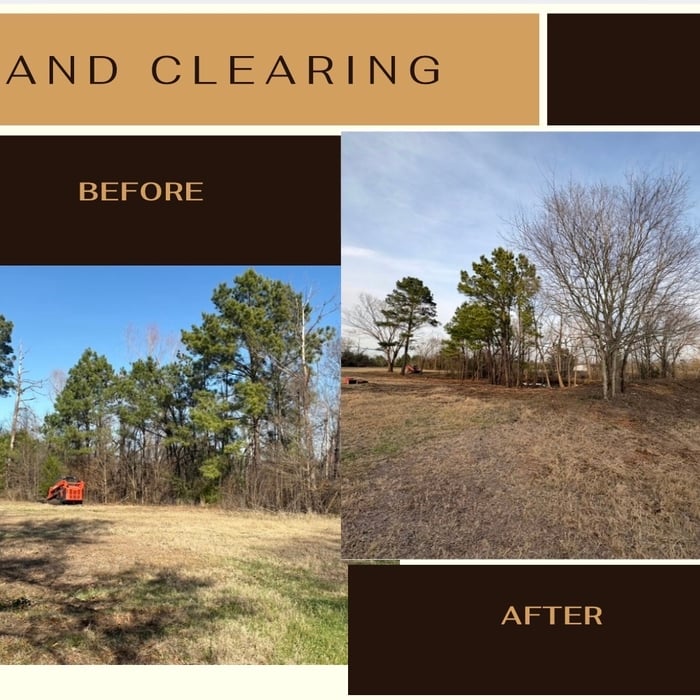
Before
After
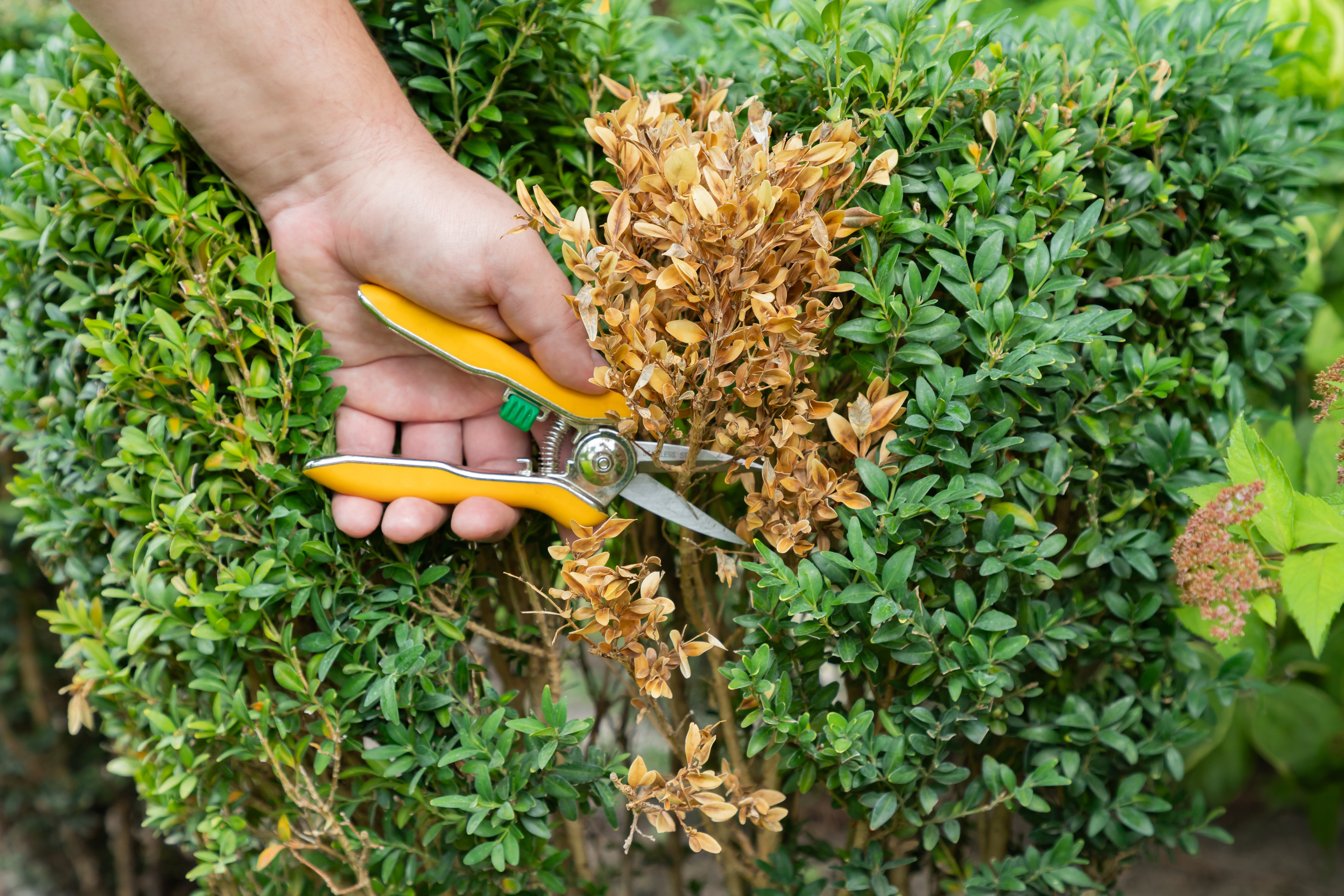
Before
After
Response time2 days
Showing 1-10 of 42
Arborists questions, answered by experts

It is possible to cut down a tree on your property yourself, but it is generally not recommended unless specific conditions are met. You should only consider this project if the tree is small (e.g., under 4-5 inches in diameter and short enough that you don't need a ladder to reach the branches), and you are experienced in handling a chainsaw. The tree must also be located far from any power lines, fences, homes, or other structures. Even for small trees, the work can be dangerous, and it's always advisable to have a spotter to ensure the tree falls correctly and no branches fall on you.

For any tree that is large, requires a ladder to access, or is near electrical lines or structures, you should always hire a professional. Attempting to remove a large tree yourself is extremely dangerous, poses a risk of serious injury, and could result in significant damage to your property.

Before any tree removal, it's also important to check your local and state regulations to ensure the tree is not historic or otherwise protected by your city.

You’ll have to balance up the cost, the value of the tree (sentimental or otherwise), and the risk factors. An experienced arborist will help you understand whether transplanting is likely to be successful. The cost and hassle of transplanting a large, well-established tree are often not worth it, especially if the species is fast-growing and easy to source. The decision depends on the age and species of the tree, the conditions in the new site location, and how careful the company is when digging out and moving the tree.

An unsafe tree can cause serious damage to your home and property, so tree inspections are important to ensure your home isn’t in danger from a nearby tree. Unhealthy trees can also be unsafe trees, as diseases and insect damage can compromise a tree’s stability, leading to potential damage and safety risks.

Completely topping a plum tree is a risky business. Cut too much, and you’ll kill your tree. That said, you do need to trim the top of your tree to encourage bushy growth, maintain your tree’s vase shape, and limit size. 

A plum tree's central leader (or trunk) should never extend more than 3 feet above the highest branch. When you first plant your tree, cut the central leader so it’s 2 to 3 feet tall. As it grows, cut it back 12 to 20 inches until it reaches its desired height. Never prune more than one-third of the new growth.

Ivy eventually kills trees by restricting its growth, blocking sunlight, absorbing nutrients and water from the soil, and weakening the tree. Trees with ivy are more likely to experience diseases, pests, rot, and fungi growth. When ivy weighs down tree branches, the tree is more likely to break during a storm and cause damage.

The Three Rivers, TX homeowners’ guide to arboricultural services

From average costs to expert advice, get all the answers you need to get your job done.