
Top-rated arborists.

Get matched with top arborists in Ingleside, TX

Enter your zip and get matched with up to 5 pros

Need a pro for your arboricultural service project in Ingleside, TX?

Select your specific project to find the pro for you.

TRUSTED BY INGLESIDE, TX HOMEOWNERS

  • Average homeowner rating star icon4.5
    Average homeowner rating
  • Verified reviews icon172
    Verified arboricultural services reviews

Find Arborists in Ingleside

Avatar for R&G Landscaping
R&G Landscaping
5.0(
33
)

Serving Ingleside, TX and surrounding areas

Approved

Super Service Award Winner

Free estimates

Offers commercial services

Customers say: True professional

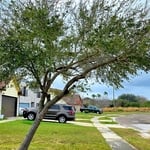
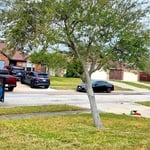
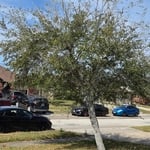
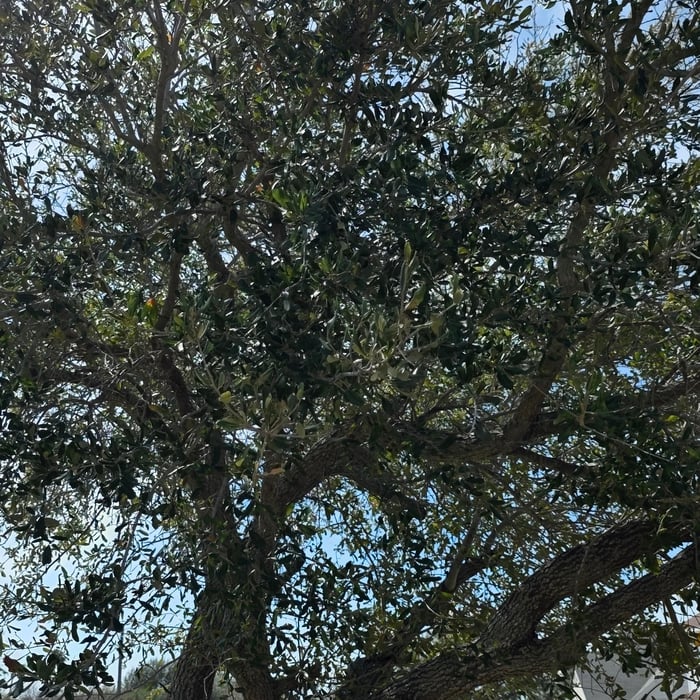
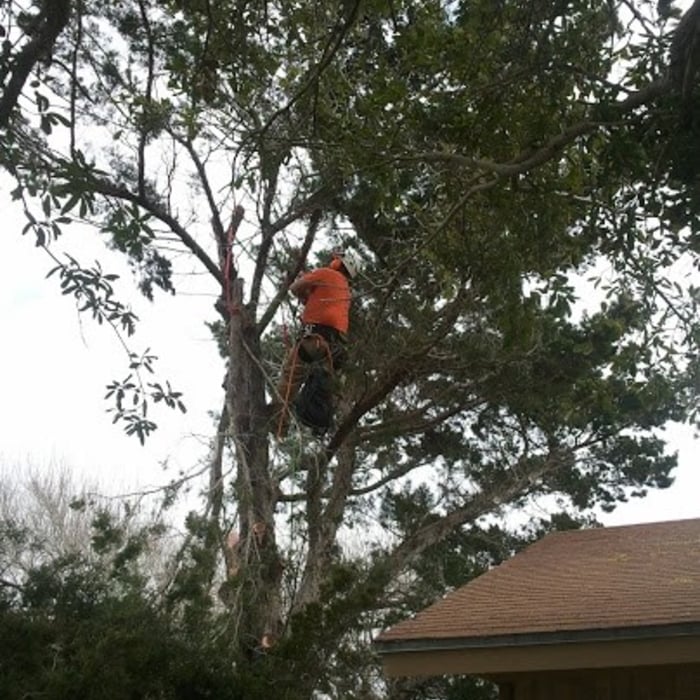
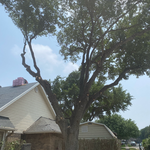
"Great work! Great people! Great communication! The team showed up and got right to work. They knew exactly how to tailor the oak trees. Even put aside some great pieces of fire wood for me, plus cleaned up/raked all the debris generated from the service. R&G Landscaping did an amazing job and already hired them for another. Thank you!"
Additional Photos
Additional Photos
Additional Photos
Additional Photos
Additional Photos

+3

3 neighbors recently requested a quote
Recommended by93%of homeowners
Avatar for The Tree Amigos
The Tree Amigos
4.8(
26
)

Serving Ingleside, TX and surrounding areas

In business since 2000

Free estimates

Emergency services offered

"I hired Tree Amigos years ago to do work on 4 mature trees, and they did an awesome job .Just recently, used them again, and same results: awesome work. Professional experts with great customer service."
.
.
.
.
.

+15

Recommended by100%of homeowners
Avatar for Ramirez Landscaping & More
Ramirez Landscaping & More
5.0(
11
)

Serving Ingleside, TX and surrounding areas

Free estimates

Offers commercial services

"We were very satisfied with the work performed and would definitely call and book with them again. We highly recommend this landscaping company very friendly and professional ? ? ?"
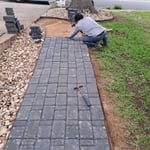
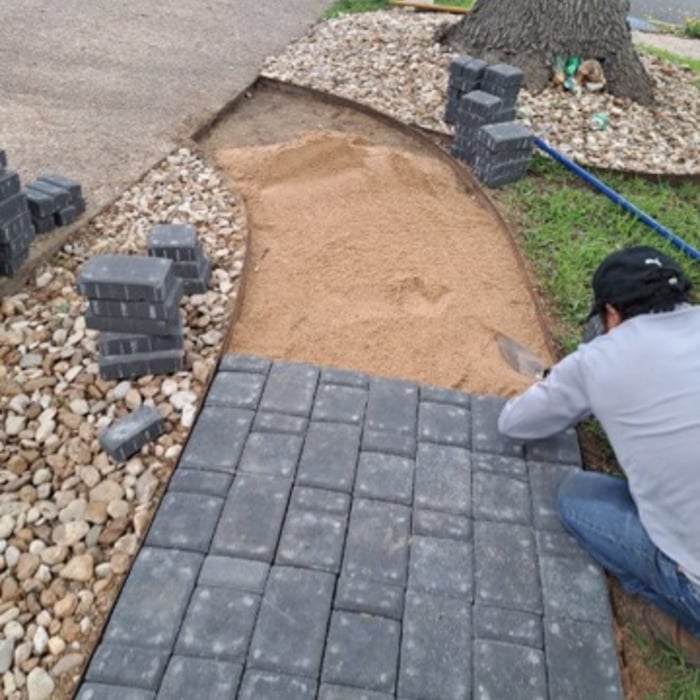
Pavers and Hardscaping Project

+46

Response time1 day
Response rate100%
4 neighbors recently requested a quote
...
Showing 1-10 of 104
Arborists questions, answered by experts

There are many signs that a tree is diseased or dying, and if you suspect that’s the case, you should call an arborist immediately. You might notice rot or fungus on the trunk or that the tree is beginning to lean to one side. Brittle branches or signs of root damage are other indicators that a tree is in trouble. If the tree is dying, it might be time to cut the tree down so it doesn’t fall.

Generally, homeowners do not need permission to cut down a tree on their own private property, but there are several exceptions where a permit may be required. You might need a permit if the tree is particularly large, old, or a protected species, such as a heritage tree. Trees located near public property or power lines can also be subject to special rules. Additionally, many local governments and homeowners associations (HOAs) have regulations controlling which trees can be removed to manage an area's appearance or prevent the spread of invasive species. To avoid hefty fines, it is crucial to check with your local government and HOA to determine if a permit is needed before you begin.

No. Topping a tree refers to severely cutting down all its major branches and tree in a straight line. It was once recommended for streetside deciduous trees but has fallen out of practice. Topping leads to many problems, removing so much of the tree that many trees struggle to survive and become much more vulnerable to insects and diseases. Also, it doesn’t really help tree growth as once assumed and often leads to an ugly appearance of many sprouting stems in competition to become new main branches.

If executed correctly your tree should survive after being transplanted to a new spot. However, effective transplanting requires six months, careful root pruning, safe transport to the new location, and replanting in prime soil conditions. You’ll also need an appropriately sized root ball for a complete tree transplant. A good rule of thumb is that, for every inch in diameter, your tree’s root ball needs to be around 11 inches. So a tree with a diameter of six inches needs a root ball of approximately 66 inches.

Palm tree stumps can take as long as seven to ten years to rot naturally. Whereas some tree stumps rot within a year, palm trees tend to last longer due to their deep root networks. Chemical rotting (described above) can help speed the process up so your palm tree stumps rot in under two months.

The Ingleside, TX homeowners’ guide to arboricultural services

From average costs to expert advice, get all the answers you need to get your job done.