


Top-rated electricians.

Best electricians near Onalaska, TX

Enter your zip and get matched with up to 5 pros

Need a pro for your electrical service project in Onalaska, TX?

Select your specific project to find the pro for you.

TRUSTED BY ONALASKA, TX HOMEOWNERS

  • Average homeowner rating star icon4.4
    Average homeowner rating
  • Verified reviews icon22
    Verified electrical services reviews

Top-Rated Electricians in Onalaska - Updated Nov 2026

Avatar for Corrigan, LLC
Corrigan, LLC
4.8(
25
)
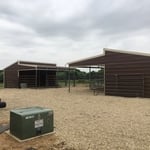
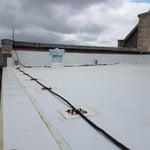
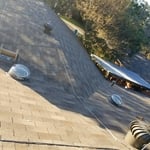
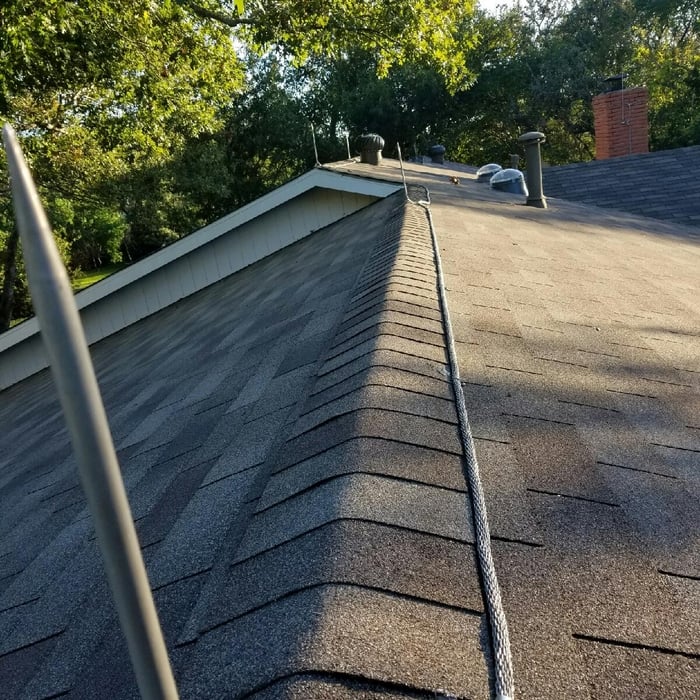
Lightning Protection - Install or Repair

Serving Onalaska, TX and surrounding areas

Approved

In business since 1954

Free estimates

Emergency services offered

"John Corrigan and his sons are outstanding! They did outstanding work installing our lighting rods at a reasonable price. They were prompt, very professional and honest. I would call them again and recommend them to anyone."
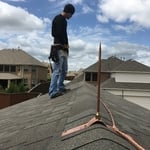
Shingle roof air terminal
Residential 1
Residential Spanish tile
Horse stable
Residential 2

+23

Response time1 day
16 neighbors recently requested a quote
Recommended by100%of homeowners
Avatar for Neli Virtual Appliance Repair
Neli Virtual Appliance Repair
4.2(
682
)
Appliance (Major Electric Appliance) - Install or Replace

Serving Onalaska, TX and surrounding areas

Approved

In business since 2016

Free estimates

Warranties offered

"The problem turned out to be a burned out small electric door switch. I believe the price was way too expensive for the service performed and the price of the door switch. What more can I say? It got done."
Additional Photos
Additional Photos
Additional Photos
Additional Photos
Additional Photos

+2

Response time1 day
1 neighbors recently requested a quote
Recommended by86%of homeowners
Bryce
New to Angi
Lightning Protection - Install or RepairPortable Generator - Install

Serving Onalaska, TX and surrounding areas

Approved

Hello!\nIve been a residential/commercial electrician since 2019. I can help with all electrical needs:\n- all lighting needs and troubleshooting.\n1.) under/upper cabinet lighting\n2.) can lighting/ recessed lighting \n3.) adding outlets/troubleshooting\n4.) car chargers\n5.) barn dominium’s roughin or added on. ( including pipe work )\nThose are just a few things listed that I can do, feel free to get with me about any and all electrical needs, I’ll get you taken care of.\n

Diego
New to Angi
Lightning Protection - Install or RepairPortable Generator - InstallPortable Generator - Repair+3 more

Serving Onalaska, TX and surrounding areas

Approved

Hey, this is Diego I am a third-year electrical apprentice with hands-on experience delivering high-quality, professional work. I take pride in being reliable, detail-oriented, and trustworthy on every job I take on. I currently work full-time with a professional company, where I continue to develop my skills and maintain industry standards. In addition to my full-time role, I also take on side jobs, bringing the same level of dedication, safety, and craftsmanship to every project.

...
Showing 1-10 of 119
Electrical FAQs, answered by experts

Common signs of faulty electrical wiring include frequent circuit breaker trips, flickering or dimming lights, burning smells near an outlet, buzzing or humming sounds, electrical shocks or tingles when handling outlets of appliances, and hot or discolored outlet switches. If you notice one or more of these signs, hire a licensed electrician for an average cost of $50 to $100 per hour to diagnose and make necessary repairs.

Dehumidifiers typically use 300 to 700 watts of electricity per hour, whereas portable dehumidifiers use about 40 watts per hour. The exact amount of electricity your dehumidifier will generate depends on its capacity and energy efficiency. Generally, higher-capacity dehumidifiers generate more electricity than lower-capacity units, but they also usually have better energy efficiency over the long run.

How far you can run underground electric depends on the wire gauge (generally AWG) and the circuit voltage. Too much voltage drop in an electrical circuit can negatively affect performance, so the smaller the voltage drop, the better. Ideally, it shouldn't exceed 3%. The smaller the wire and the longer the run, the more significant the voltage drop. 

For example, with a 120-volt circuit, you can run 60 feet of 12 AWG cable without losing more than 3% voltage. With a 240-volt circuit, you can run 120 feet of 12 AWG wire while maintaining a voltage drop of 3% or less.

They can vary—a lot. For example, while the EU continues to move toward broader standardization, many different types of outlets still exist from country to country. Some local standards cared about polarization, and some didn’t. It’s similar to other countries around the world.

Generally, you’re less likely to find polarized outlets outside North America. However, alternative plugs and outlets often incorporate precautions so that accidentally touching live prongs on a plug is hard or impossible. You may also find interesting regulations overseas that limit the use of outlets in bathrooms or near sinks to decrease the chance of shock.

If your plug feels hot to the touch, it’s likely a sign of an electrical issue that needs immediate attention. Check for signs of melting or discoloration around the plug, as well as any burning smells or smoke. If you notice any of these signs, immediately unplug any devices and do not use the outlet again until it’s been inspected by a qualified electrician.

The Onalaska, TX homeowners’ guide to electrical services

From average costs to expert advice, get all the answers you need to get your job done.