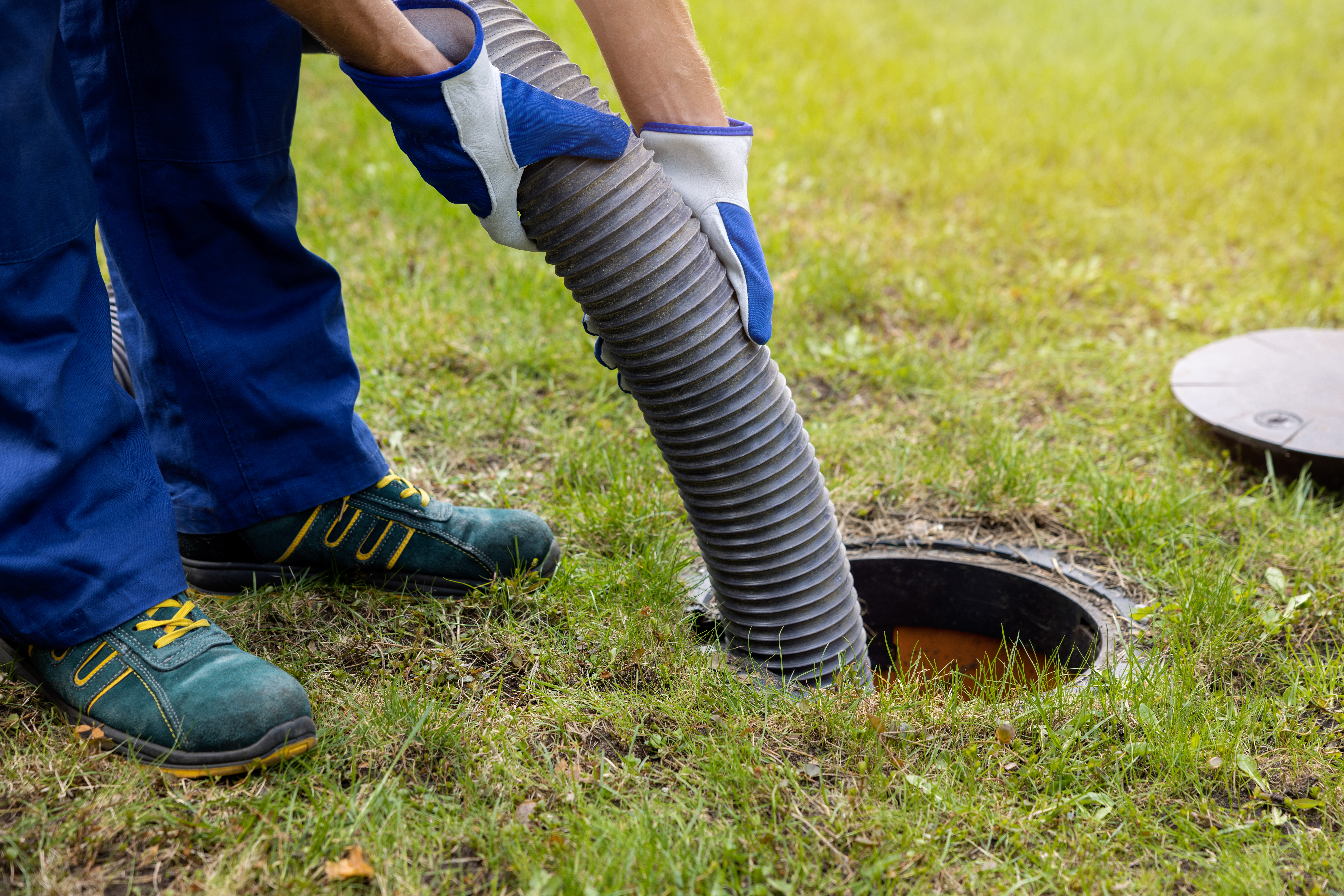
"Ken was awesome. He came out within 3 hours of being called and completed the job quickly. I will definitely be changing my septic contract to these guys."
"Charleys came out on an emergency call on a Saturday night and he took his time, went above and beyond to make sure the tank was clean, found the actual problem, called a plumber at 10 pm to make sure he could come first thing in the morning. I will definitely call him again."
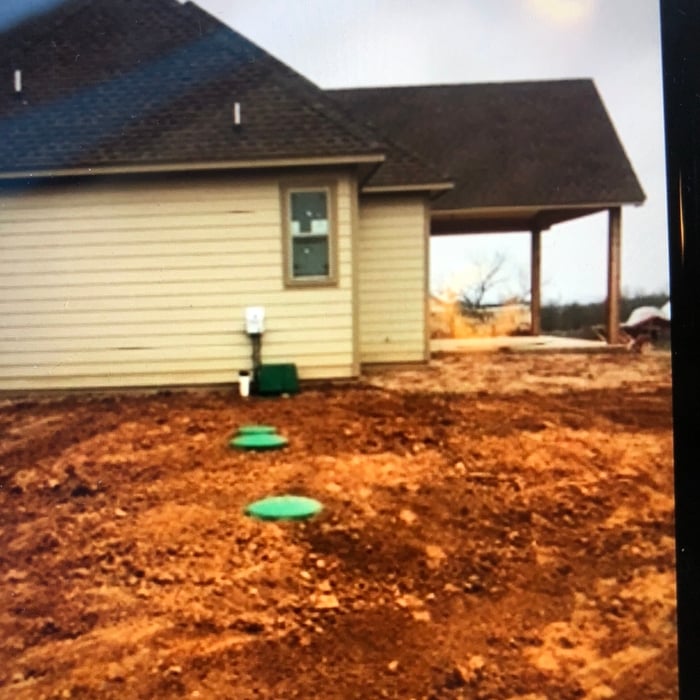
"I felt J Bar D did what they said they would do and helped me to decide on the best product application. I would use them again. They installed a septic tank for me, however, it is for a home that is not in use yet so I've not been able to use any of the bathrooms to see how well everything works. I anticipate that all will work well and given that is the case I would then rate them with 5 stars. The delay is not due to J Bar D. It has to do with other things. I enjoyed working with the owner. I feel that his input helped me to make a beter expenditure decision."
"We hired Advanced Septic to remove a failing septic system, and install a new one. The work was done timely, and i felt like we got a very fair price. The finish work and follow through was extremely impressive. The site was grated, cleaned up, and prepped for us to replant sod and return our yard to its original beauty (which was so important, because my daughter is getting married in our back yard in 2 weeks!) Mark knew i was on a tight timeline with family coming into town, and how worried i was about the shape of yard for the ceremony. The whole Advanced crew went above and beyond to make sure i was taken care of. Thanks Advanced Septic Solutions. Y'all are the best!"
Options include submersible, jet, and centrifugal pumps. Choose based on water needs and well depth.
You may want to increase the size of your leach field, for instance, if you add on to your home or install more bathrooms in your house. You can make your leach field larger by installing more pipes or expanding the area of the field itself. Improving the soil quality in the drain field can also make it more effective without increasing the area.
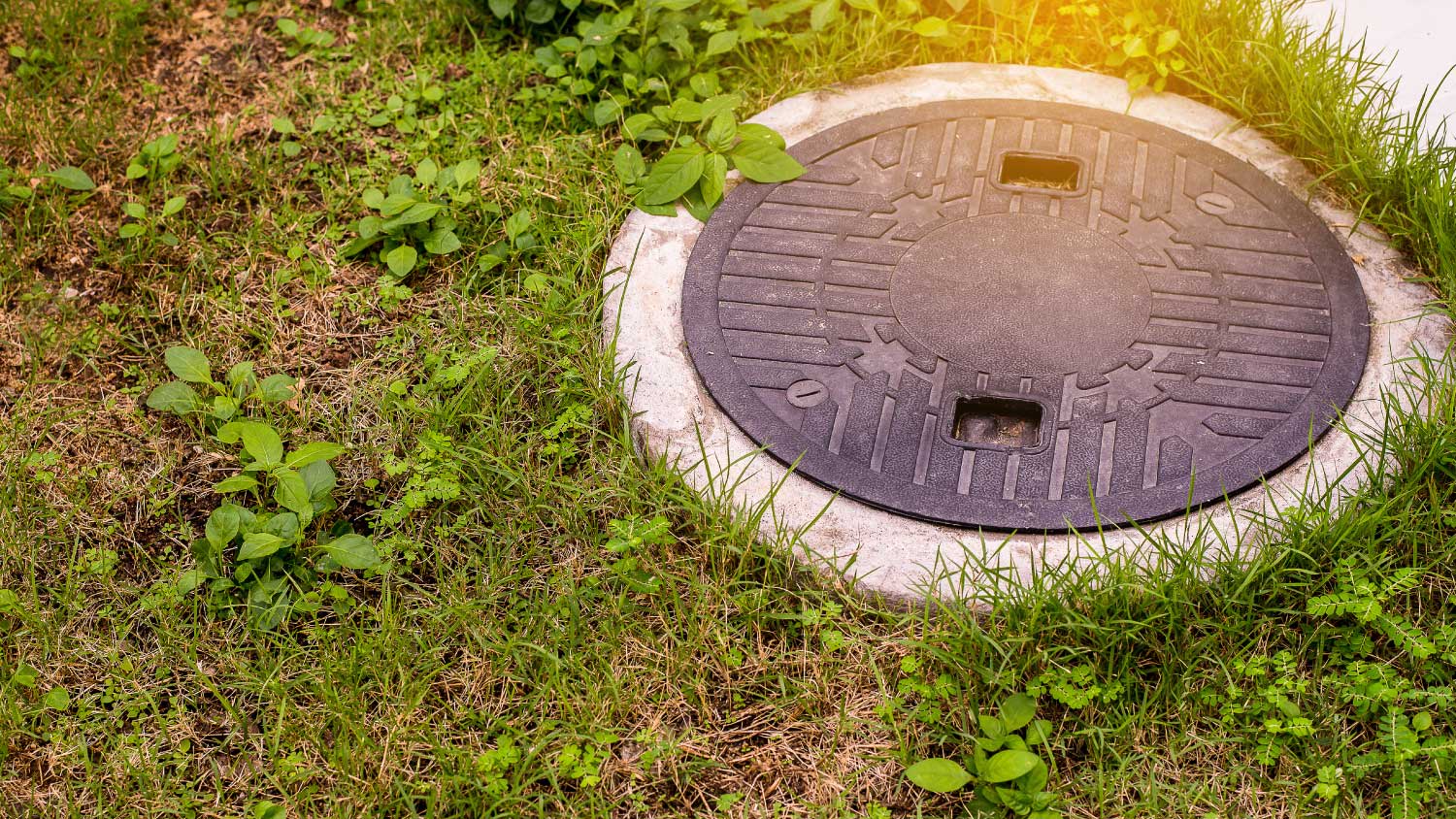
It is not normal to smell your septic outside and indicates a problem such as an unsealed manhole or access lid, a clogged septic line, a faulty vent stack, or the need for a septic tank pumping. If sewage is leaking from your septic system, it can be hazardous to you, your family, pets, and the surrounding environment. You can troubleshoot the issue yourself, or contact a septic tank pro who can resolve the issue quickly.
While you can drain water softener backwash into a septic tank, doing so may cause several problems. One problem is that increased sodium chloride levels from water softener backwash can kill septic tank bacteria, decreasing the effectiveness of this wastewater treatment system. Another issue is that large calcium deposits can eventually stop up the drain field and lead to poor drainage.
How deep your septic system needs to be into the ground depends on several factors. In extremely cold environments, the tank needs to rest below the maximum frost line, which can be up to six or eight feet deep. The standard burying depth for most systems is between a few inches and four feet below ground level. Depth can also depend on the slope of the landscaping and other property variables.
The Fairview, TX homeowners’ guide to septic tank services
From average costs to expert advice, get all the answers you need to get your job done.
Septic tank replacement costs in Dallas, TX, depend on your system's type and size. Learn what affects your replacement budget and get estimates before you hire a pro.
Find out the average septic system repair cost in Dallas, TX. Learn what you can expect to pay for local tank fixes and keep your wastewater system running.
Septic tank risers make it easy to access your septic tank when it’s time for routine inspection, maintenance, and pumping, saving you precious time and labor costs.
Septic tank sizes vary depending on the size of your home, how many people live there, how much water you use, and more. Read on to learn how to determine the right size for you.