
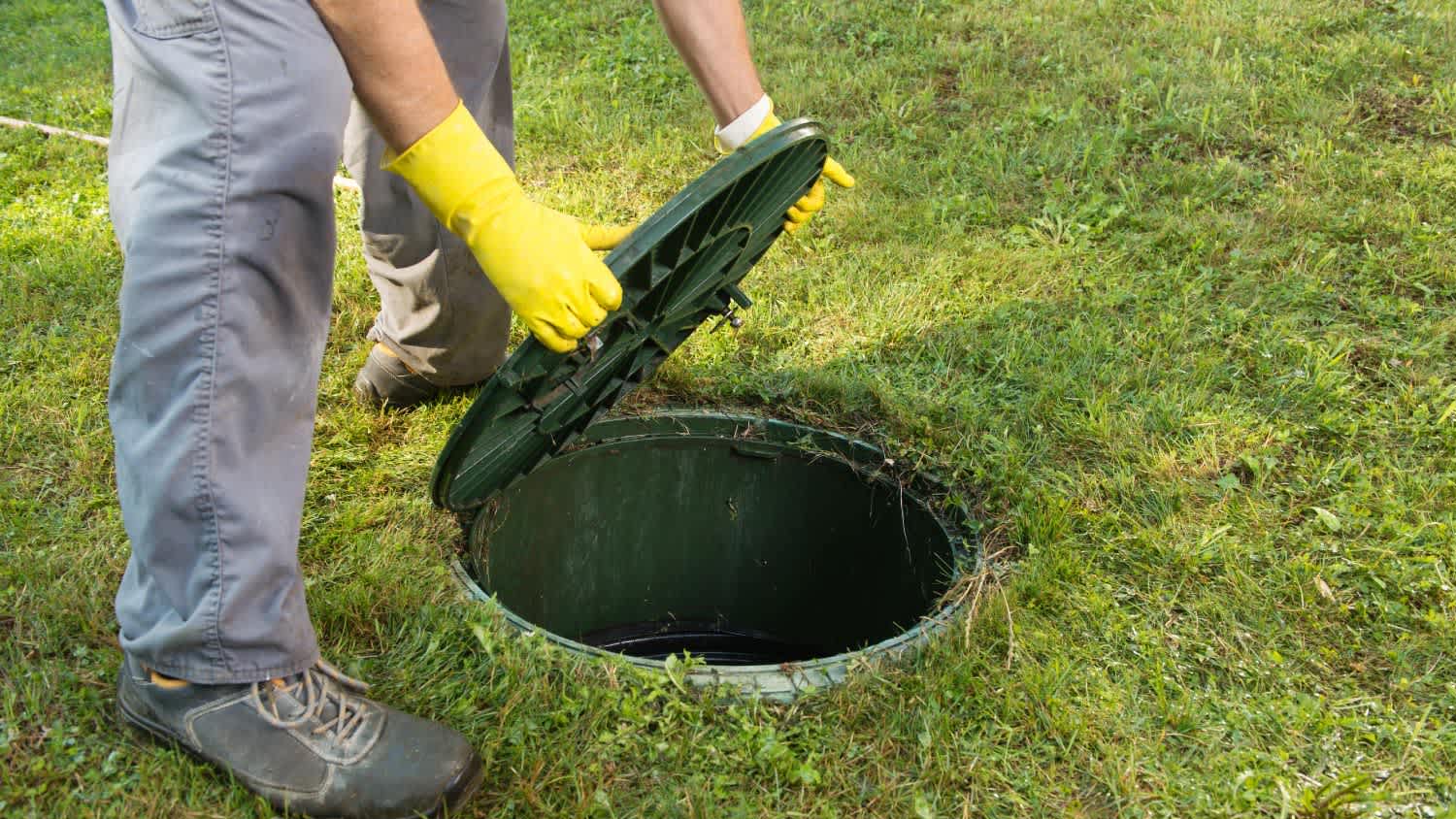
The cost of converting a cesspool to a septic system depends on factors like labor, complexity, and materials. Use our guide to estimate your budget.
Keep your home on the right side of the law

As of 2017, your state outlaws building new cesspools, because untreated wastewater can pollute groundwater with bacteria and nitrogen.
Expect to pay $395 for a professional inspection, and your state can offer tax incentives for a septic upgrade.
Check your state and local rules before you buy a home with a cesspool, since replacement rules affect your budget.
Hiring a local septic tank company provides expert guidance on safe cesspool removal, modern septic system options, and accurate quotes for upgrading your home's wastewater management.
Every home needs a system to deal with wastewater and sanitary waste, and for many, especially those in rural areas, cesspools are the solution. When you can’t directly hook up to a sewage system, a cesspool will work to capture waste, but it comes with many problems and might be illegal depending on the type being used and the state you’re living in. This guide will explain everything you need to know about cesspools.
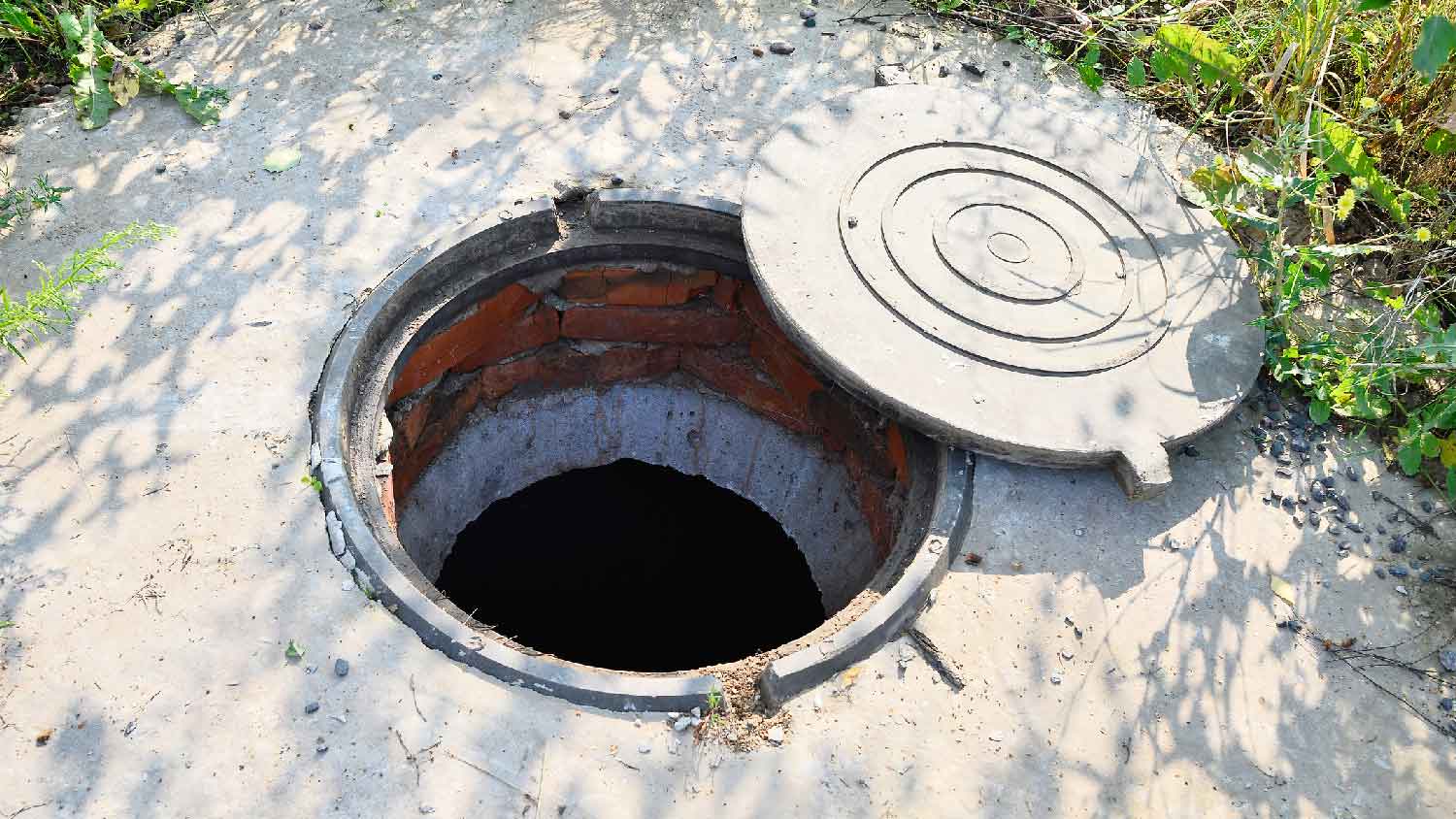
If you’re wondering, “What is a cesspool?” you’re not alone. A cesspool is a type of system designed to capture and dispose of sanitary waste, usually from a household. It is essentially a shallow underground pit lined with concrete walls on the sides.
Waste from sinks, toilets, and drains will divert to the cesspool via a pipe, filling it over time. The porous surface of the concrete allows liquid waste to slowly seep through into the surrounding soil, while solid waste gradually accumulates at the bottom. Cesspools must be periodically pumped empty to ensure the concrete isn’t blocked by solid waste.
When it comes to residential cesspools, a large-capacity cesspool is defined by the Environmental Protection Agency (EPA) as a cesspool that collects waste from multiple residential units, or from a building with more than 20 people rather than from a regular single home.
Certain states have different large-scale cesspool definitions. They might be measured by the amount of waste or by the overall volume capacity of the cesspool. In any case, it’s important to understand your state’s definition of a large-capacity threshold. This is because they are illegal at the federal level, a law that is either enforced by the EPA directly or by your state, tribe, or territory’s primary enforcement authority.

In short, new cesspools are illegal to build, and you’ll need to do your research on the specific laws in effect in your state when it comes to continuing to use a cesspool or purchasing a home that has one on the property.
As of 2017, all 50 states (plus Puerto Rico) have outlawed the construction of new cesspools of any size. Cesspools that existed prior to 2017 are allowed to remain in some states (such as New York and Rhode Island) as long as they’re not polluting. As we mentioned before, large-capacity cesspools have been illegal countrywide since 2005 and are required to be safely dismantled. Many states, such as Hawaii, are implementing tax incentives and other financial aid programs to help homeowners shoulder the cost of converting a cesspool to a septic system.
This was done for environmental reasons—untreated wastewater seeping into the soil often makes its way to groundwater reserves, which can even spread to coastlines and other bodies of water over time.
There are two main risks associated with wastewater seepage. One is coliform bacteria, such as E. coli, infecting groundwater supplies and making people sick. The other threat is nitrogen pollution, which can have devastating ecological effects—especially if it reaches oceans and causes algae blooms. With this in mind, cesspools have been set aside as an inferior solution to waste management for homes.
Cesspools and septic tanks are sometimes mixed up—and for good reason. After all, they both store household wastewater and sanitary waste below ground, so what are the differences? As you’ll see, septic tanks are considered to be a superior option to cesspools in every way. When you consider the lower required maintenance, the ecological benefits, and the general hygienic advantages, you’ll probably agree that the costs of installing a small septic system are more than worth it, especially when compared to the somewhat smelly issue of a cesspool.
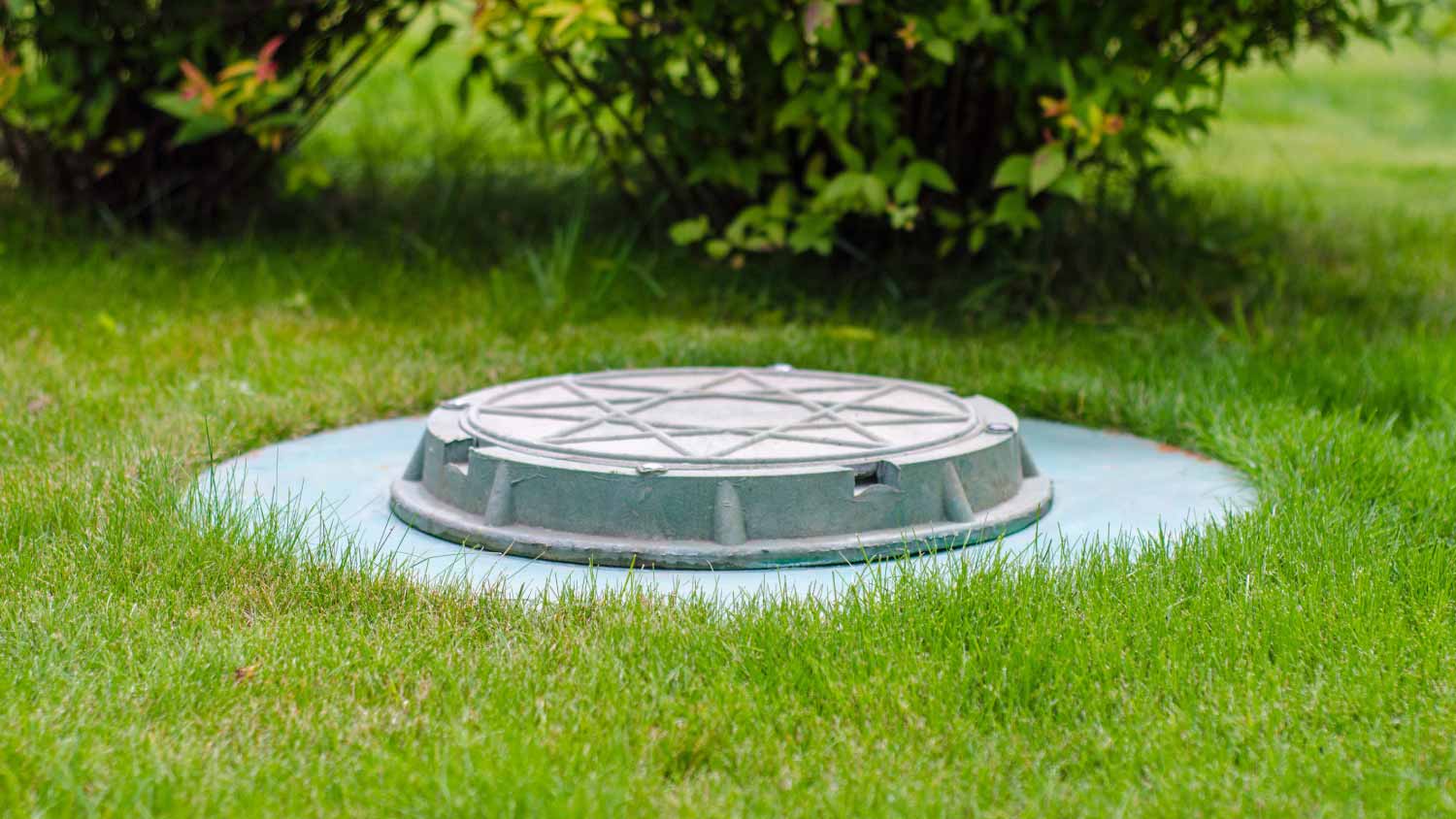
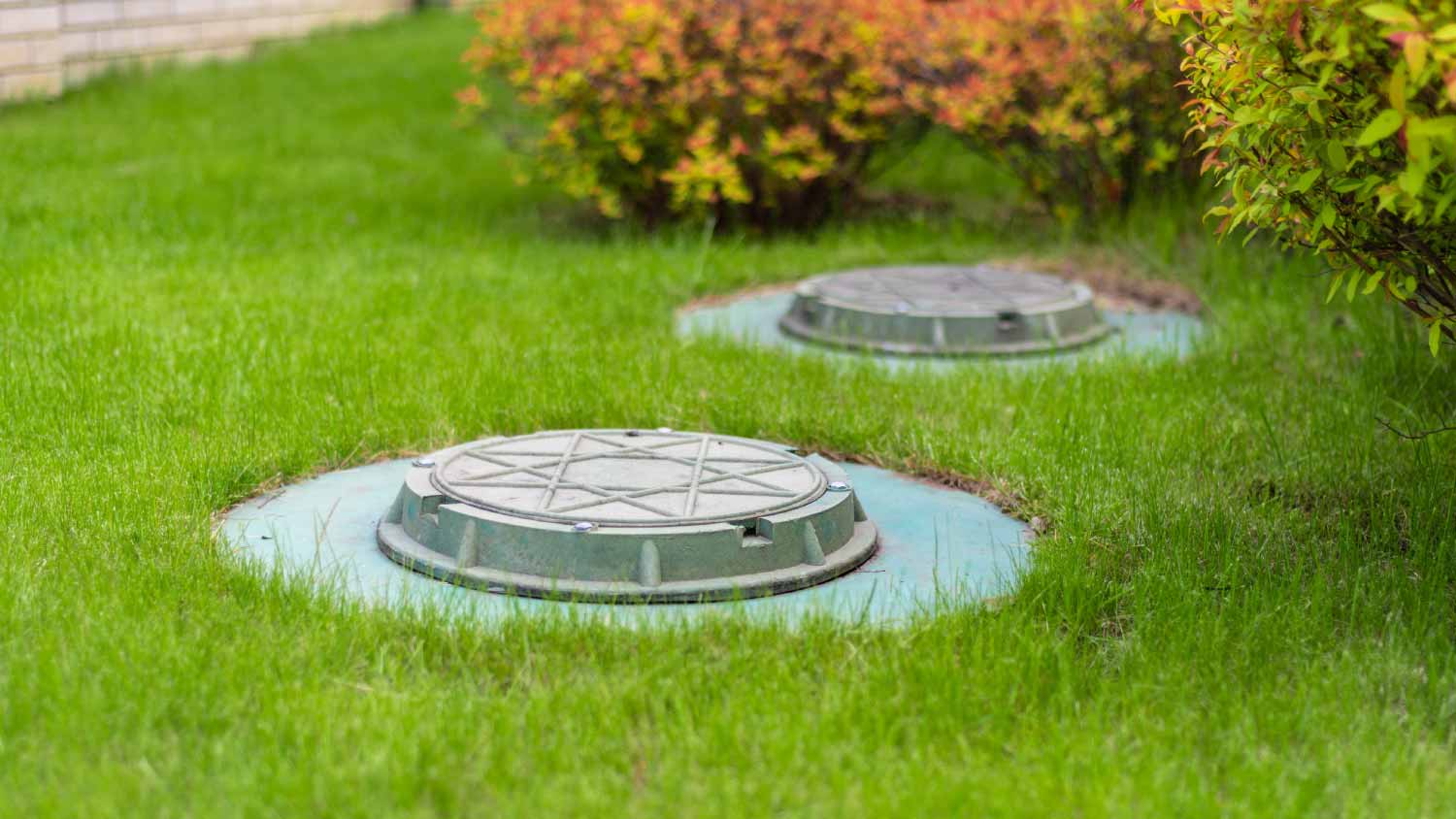
Cesspools are essentially underground storage containers for your home’s sanitary waste. They use the natural porous quality of their concrete walls to allow liquid waste to seep directly into the soil around them. Cesspools capture waste from a home, but they do nothing to treat waste.
Like a cesspool, a septic tank collects and stores sanitary waste below ground. But unlike a cesspool, septic systems store waste in a self-contained tank which won’t allow anything to seep into the surrounding environment.
There are several types of septic systems, but they all essentially work the same way—solid waste collects at the bottom of the tank and will still need to be pumped semi-frequently. Wastewater is sent through a series of tubes, gradually dispersing it across a large area of land called a drainfield. This makes for a much more eco-friendly alternative to cesspools.
If you’re ready to do away with the hassle, cost, and health risks of a cesspool on your property, you have options. The best avenue is to get in touch with a septic tank company near you—they’ll be able to advise you on the costs of removing your cesspool safely, suggest septic system options that will work best for your needs, and provide a quote for the service to allow you to budget for this important upgrade.
I recently moved to another state and chose United Trust Van Lines after comparing several companies. Their team was punctual, professional, and extremely careful with my belongings. I was especially impressed with how they handled my home office setup and fragile items. Everything arrived on...
 United Trust Van Lines, LLC
Positive experience. As previously stated, the replacement/repair could not be completed (no fault of the plumbing tech) b/c misinformation was rec?d by property management maintenance. Thanks to the plumbing tech for your efforts. Appreciate you!
 The Waterworks
As usual with ECO, tech Jordan was outstanding, very professional, very knowledgeable, and very thorough with repairs made to tankless water heaters. Very highly recommend ECO!!!
 Eco Plumbers, Electricians, and HVAC Technicians
I would recommend this company to anyone! He showed up on time, was friendly, completed a very difficult repair on our dryer vent cover, was responsive, and pricing was extremely fair and competitive. I would have him back to do any of our repairs or cleanings without hesitation!
 U.S.A. Dryer Vent, LLC
Best cleaning I've had at my property
I'm a repeat customer of All Star Paving & Sealing and I appreciate the service that all start paving has done for me in the past. I just recently had them out for an estimate and things couldn't have gone better. The staff that they send out to do the estimates are very knowledgeable. The...
 All Star Paving and Sealing
Supreme Brick & Chimney is one of the best service providers I’ve interacted with. Extremely efficient, knowledgeable, and thorough. They took the time to walk me through their detailed full-service inspection and were extremely professional. Not to mention their turnaround time was...
 Supreme brick & chimney
They were great! They were thorough and efficient and paid attention to the details. Definitely recommend. I'm definitely going back!
 FIFI'S EARTH FRIENDLY CLEANING
Storms Mobile Welding was great to work with. They were prompt, professional and did an overall excellent job on the project. I highly recommend.
Great experience all together. Dog friendly, courteous, great results and honest with recommendations. Will certainly be using Cardinal in the future for any carpet repairs
 Cardinal Carpet Care & Repair
From average costs to expert advice, get all the answers you need to get your job done.
The cost of converting a cesspool to a septic system depends on factors like labor, complexity, and materials. Use our guide to estimate your budget.
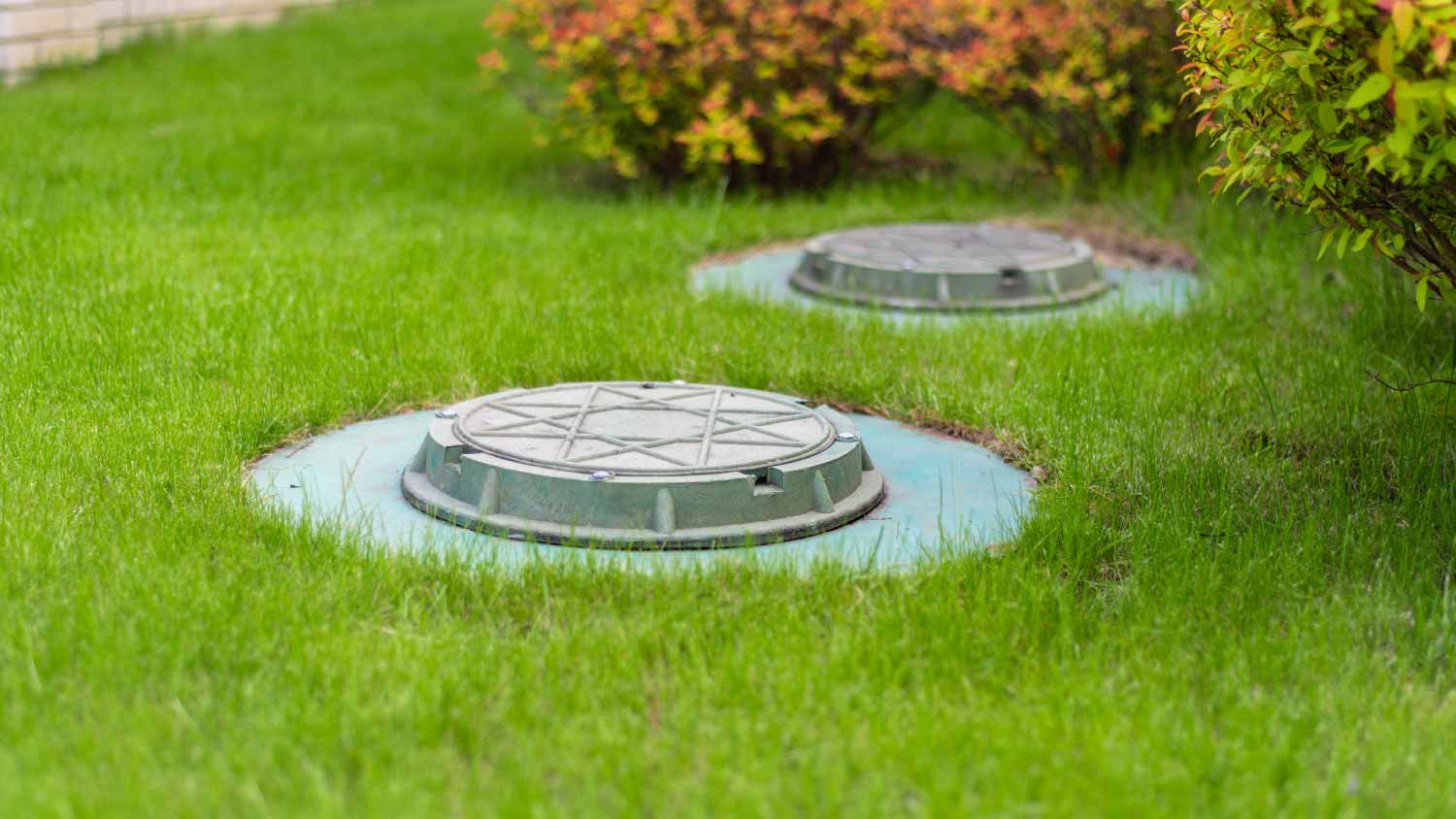
Learn what a cesspool is and the differences between cesspools, septic tanks, and dry wells, so you can make an informed decision about which is best for you.

Stay ahead of potential cesspool issues. Follow these crucial cesspool maintenance tips to keep your wastewater system running in top condition.
Learn about the key differences between cesspits vs. cesspools including design, materials, hazards, and more to better understand your sewage system needs.
When it comes to cesspools versus septic tanks, cesspools are less expensive but require more maintenance. Septic tanks are more eco-friendly.
Before buying a house with a cesspool, it’s important to know what you’re getting into. Learn about how cesspools work and what to expect as a new homeowner.