



Top-rated arborists.

Get matched with top arborists in Earth, TX

Enter your zip and get matched with up to 5 pros

Need a pro for your arboricultural service project in Earth, TX?

Select your specific project to find the pro for you.

Find Arborists in Earth

Avatar for Flat PlainsLandscaping
Flat PlainsLandscaping
New to Angi

Serving Earth, TX and surrounding areas

Approved

Free estimates

Emergency services offered

Small jobs welcome

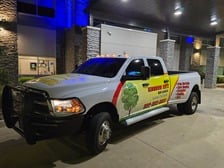
Flat Plains Landscaping is a family owned business we learned landscaping from our grandfather who owned his own business we offer all lawn care all basic services mow edge clean ups spraying hardscaping aerating tree trimming and tree removal

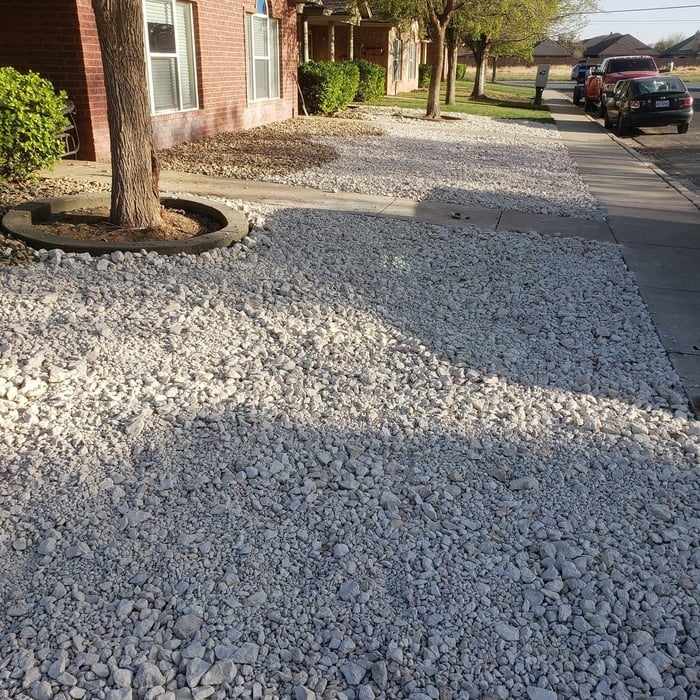
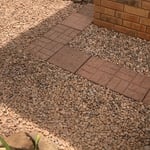
Dans rock bed
3 neighbors recently requested a quote
...
Showing 1-10 of 51
Arborists questions, answered by experts

In most cases, leaving tree roots underground is not a problem if the stump has been removed or ground below the soil. However, some larger roots may decompose, leaving dents in your soil. Additionally, some aggressive trees, including willows, oaks, elms, maples, and poplars may grow back from roots. Large aggressive trees with established root systems are more likely to grow back.

The best time to prune Japanese flowering cherry trees depends on where you live and the type of flowering cherry tree. Some trees benefit from being pruned toward the end of winter or early spring, after the last freeze. Meanwhile, other trees do well after blooming, in late spring or early summer. Avoid pruning your flowering cherry tree in the early winter, as this encourages open wounds that can lead to infections or infestations. 

Palm trees are unique in that their roots don't grow straight down; they grow horizontally. Typically, palm tree roots go down between 12 and 36 inches deep. The roots grow far and wide from the base of the palm tree to absorb as much water and soil nutrients as possible. In addition, the horizontal roots are also very strong—keeping palm trees stable and helping them sway during storms.

While trees can grow in the curb strip between the sidewalk and the street, this placement often poses the problem of interfering with overhead power lines. It’s best to consult your local utility provider and tree planting service before transplanting a tree that might grow into power lines. Also, you should never work within 20 feet of a live power line to avoid the risk of electric shock. Tree branches should never touch nearby power lines, so it’s essential to ensure your tree isn’t in danger of growing too close to them.

In some states and municipalities, you will need a permit to remove a tree on your property. In many cases where permits are required, a tree must reach a maximum height before a permit is required to remove it. You can either ask your local building department or a tree removal professional if you’ll need a permit. If you do, you can expect to pay between $50 and $150 for the permit alone. Your tree removal company should pull the permit for you and include the permit fee in your total.

The Earth, TX homeowners’ guide to arboricultural services

From average costs to expert advice, get all the answers you need to get your job done.