




Top-rated arborists.

Get matched with top arborists in Dimmitt, TX

Enter your zip and get matched with up to 5 pros

Need a pro for your arboricultural service project in Dimmitt, TX?

Select your specific project to find the pro for you.

Find Arborists in Dimmitt

Avatar for Flat PlainsLandscaping
Flat PlainsLandscaping
New to Angi

Serving Dimmitt, TX and surrounding areas

Approved

Free estimates

Emergency services offered

Small jobs welcome

Flat Plains Landscaping is a family owned business we learned landscaping from our grandfather who owned his own business we offer all lawn care all basic services mow edge clean ups spraying hardscaping aerating tree trimming and tree removal

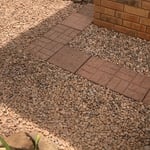
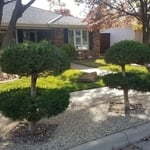
Dans rock bed
5 neighbors recently requested a quote
...
Showing 1-10 of 58
Arborists questions, answered by experts

Since overwatering can harm mature trees just as much as a lack of water, it’s important to know the signs of an overwatered tree. If your tree’s leaves are yellowing, wilting, or dropping leaves, it’s likely that you’re overwatering. Other common signs include rotting, fungi, soggy soil, soft or peeling bark, falling leaves, and brittle roots. 

If you realize that you’ve been overwatering your mature tree, stop watering and give the soil time to dry out. Then moving forward, increase time between watering sessions. 

Stump grinding consists of removing the visible part of the stump, but the roots remain intact. Depending on the tree and root system, the roots may still grow after stump grinding. If you are concerned about root growth and damage, you may want to consider having a stump removed completely.

In general, trees should be planted no closer than 15 to 20 feet from your foundation. For larger trees with far-reaching roots like maples, oaks, or poplars, a good guide is to plant as many feet from your home as the tree’s height is expected to reach at maturity. Some trees, like elms and willows, should only be planted far from where their roots may encounter sewer or water lines.

Yes, it’s okay to trim low branches on a tree, also known as limbing up or raising the crown. Essentially, you’ll trim the lower third of the tree (trunk) and leave the upper two-thirds of the tree (crown). Arborists recommend trimming 20% of a tree’s leaves per season for two to three seasons. Trimming low branches allows light to flow through the tree, increasing circulation and making the tree stronger and healthier.

A standard tree removal doesn’t include stump grinding. If you want your contractor to remove your tree and grind the stump, you must pay an extra charge. That said, you’ll likely save on the cost of stand-alone service—especially if it’s a small tree and they can finish both jobs in a single trip.

The Dimmitt, TX homeowners’ guide to arboricultural services

From average costs to expert advice, get all the answers you need to get your job done.