








"Mr. David Sims and his crew did an excellent job repairing and servicing my Aerobic system. He is very responsive every time I call in a panic when my septic system stops working. I appreciate the reasonable prices for their services. I highly recommend Mr. Sims' company for any septic repairs."
"He was able to quickly diagnose that the water leak from the water heater was a result of a ruptured tank, resulting in the need to replace the entire water heater."
We are a locally owned and operated company that values honesty and integrity in all aspects of our business. Our major focus is on the quality our work and producing outstanding results. We are committed to creating a level of value unmatched by any of our competitors. We look forward to building lasting relationships with our clients and guarantee your satisfaction!
"I just pay $75 you never know who's going to come out. They do everything electrical. Just about everything is covered except the septic tank. I had an air conditioner replaced. It went great, all I had to do was pay for the freon. He didn't charge e more than what was needed."
James Batts has been in business since 1981 and is a master plumber. He takes great pride in providing his customers with quality work at a great price. This has built him a strong reputation for customer satisfaction. Allow him to show you how his commitment to personal service and expertise will help you with all of your plumbing needs.
Call a dedicated well and pump professional to install your new well pump. In some cases, plumbers may have the experience needed for the installation, but it’s always better to go with a specialized pro. Well and pump contractors have hundreds of hours of experience with all different types of wells and pumps.
Talking with a septic pro before planting trees near your tank is best to ensure the roots won’t interfere with your septic system. However, there is an easy way to figure out where to plant a tree—but you’ll need to know how tall it can get when it’s fully grown. For instance, if the tree can reach 50 feet, plant it at least 50 feet from your septic system.
How do you set your well’s pressure tank? All you need to do is first drain the tank of water and find the pressure switch. Remove the switch cover and adjust the switch with a wrench—clockwise to increase water pressure, and counter-clockwise to reduce it. Each complete turn of the nut on the switch should equal 2.5 psi. Once this is done, replace the switch cover. All that’s left is to adjust the pressure of the tank itself using an air compressor and a tire gauge to support the new setting.
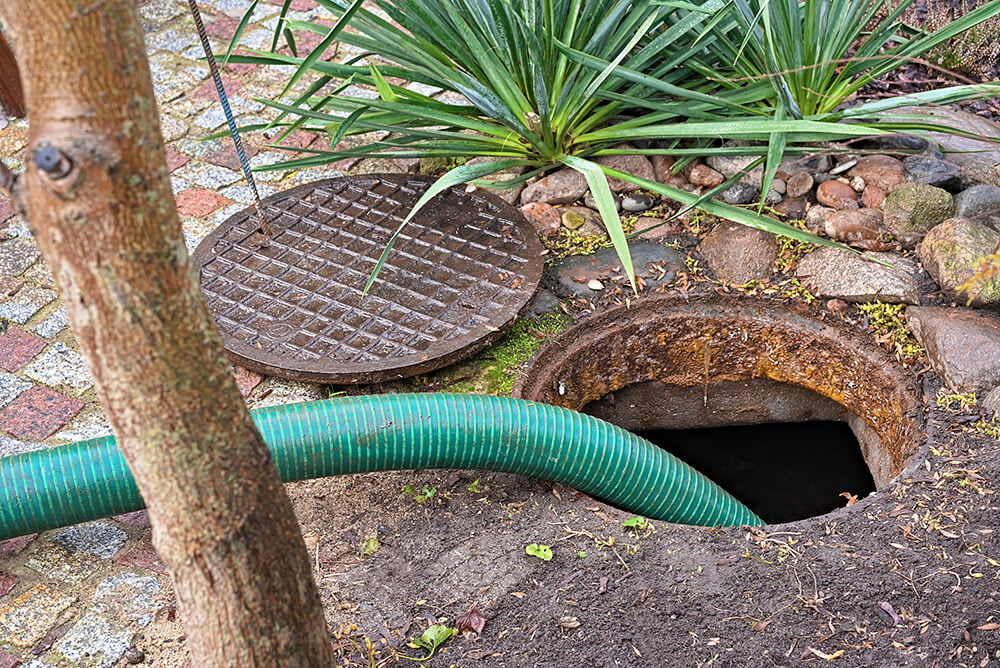
If there’s a problem with your sewage system, you might notice water pooling on the ground around the tank, which could indicate an overflow. Clogged and sluggish drains or foul smells coming from your plumbing are also signs that there might be a blockage in your septic system.
Depending on the size and location of your septic tank repair job, you may want to let the septic pros finish before tackling other backyard work. However, in some cases, it’s not a bad idea to coordinate between your providers if the timing’s right and your septic repair pro says it’s safe to do so. For instance, if the septic repair work is happening in the fall, you might want to take advantage of the opportunity to prepare your backyard landscaping for winter , or in spring, start mulching the garden beds.
The Cisco, TX homeowners’ guide to septic tank services
From average costs to expert advice, get all the answers you need to get your job done.
Caring for your septic system is crucial to ensuring its long life. But how much does it cost to pump a septic tank? We explore the different cost factors.
A damaged septic system can leak odors and sewage, so repairs are urgent. Find out how much septic tank repair costs based on repair type, tank size, and more.
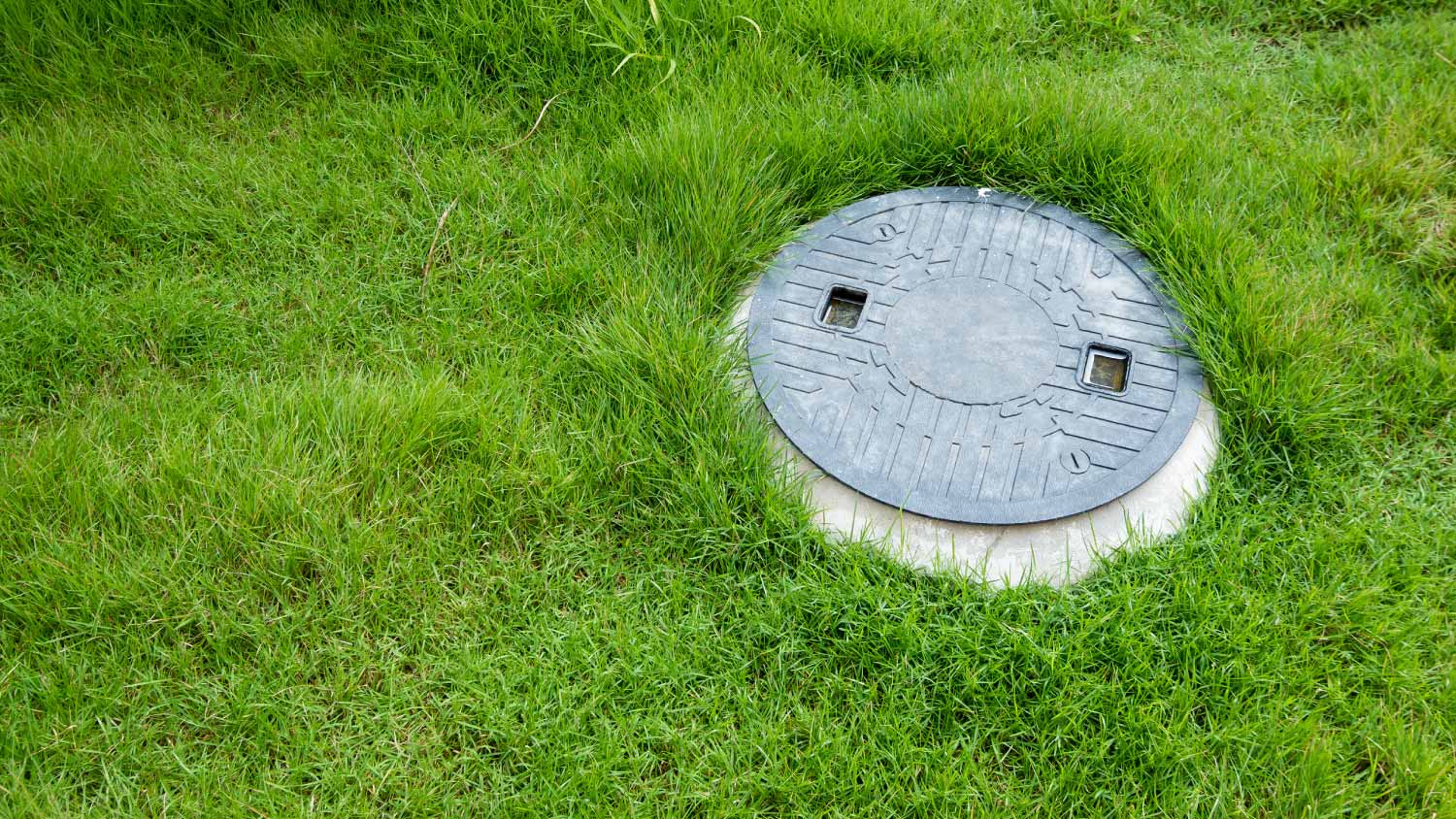
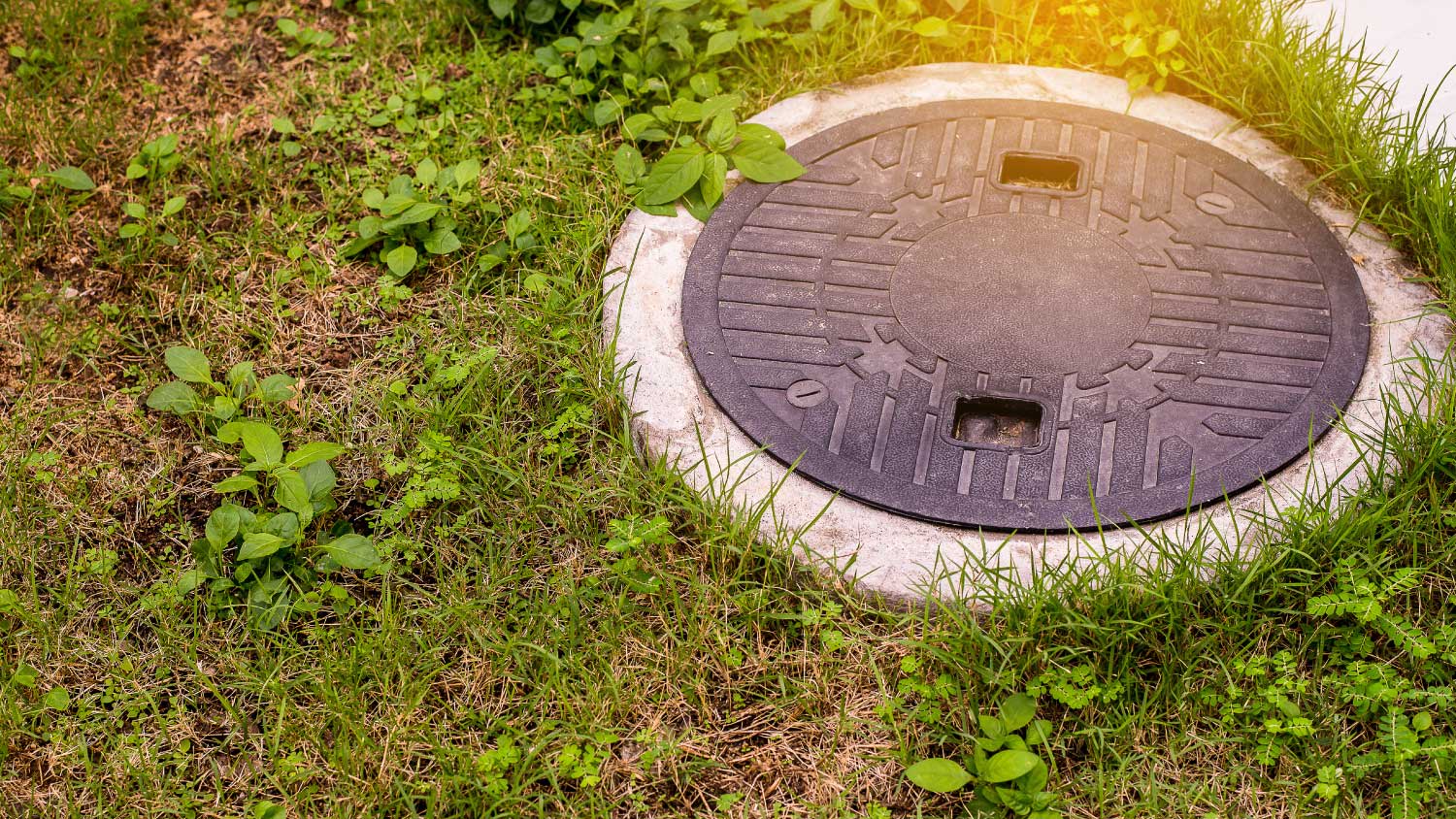
Septic tank risers make it easy to access your septic tank when it’s time for routine inspection, maintenance, and pumping, saving you precious time and labor costs.
Septic tank sizes vary depending on the size of your home, how many people live there, how much water you use, and more. Read on to learn how to determine the right size for you.