"They have previously replaced one of the pieces of wood that broke off the gate and they have worked on the gate when it would not open (determined there was a defect due to the cold) and replaced the defective part. We have always been happy with their work. I think it is a fairly small company so sometimes they can't get out same day but they have kept us informed of their status. We would definitely use them again! "
"Great service, very fast to get the work completed this LLC is honestly just the way to go. My metal shed was fabricated and built within a few days and absolutely nothing was left behind. Clean, reliable, good work."
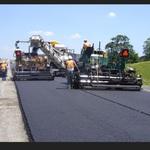
We�re a locally owned and operated company that values honesty and integrity, and stands behind our work. We specialize in asphalt paving. We pride ourselves on the quality of our work as well as our commitment to outstanding results. We look forward to building long-term relationships with our clients and guarantee your satisfaction!
Blacktop seal coat driveways business parking lots ETC we do it all pot holes fills Speedbumps handicap stickers stripes crack filling cleaning got you covered been in business 50 years plus\nProfessional Nice everything\n\n(You serve it will pave it)
"I only use James when I need some work done to my house. He responds fast, gets the work done quicker than just about anyone else I've ever used and seems very concerned with leaving his customers happy."
Asphalt and tarmac are not the same thing. Traditional tarmac, short for tarmacadam, uses tar as a binder to hold crushed stone together. Asphalt uses bitumen—a byproduct of crude oil—to bind aggregate. Though tarmac was once a go-to for roads, asphalt has become the modern standard. And these days, most surfaces referred to as “tarmac” are actually asphalt. So, while the names may overlap, the key distinction lies in the binder—tar for tarmac and bitumen for asphalt.
Instead of a set number of types, asphalt comes in variations designed for different needs. Some are categorized by temperature—hot mix, warm mix, and cold mix. Others are sorted by composition, like dense-graded, gap-graded (such as Stone Matrix Asphalt), porous, and mastic asphalt. There are also modified versions with added compounds like polymers, rubber, or emulsions. Instead of focusing on a number, it may be more useful to understand how contractors customize asphalt for durability, climate, and traffic conditions.
By grading and compacting the base soil, ensuring proper drainage and stability.
Since it has a smoother surface using a mixture of finer rock and sand, 41A tends to be the best asphalt grade for a driveway, especially for residential driveways. Other options are available, but more homeowners choose 41A for a smoother asphalt driveway. Talk with your asphalt driveway professional for recommendations of the best grade for your specific driveway.
If you notice minor cosmetic problems with your driveway, you should seal it. Look out for cracks and holes on the surface, faded asphalt or concrete, and stains from oil and other chemicals. Replacing your driveway may be necessary if you’re dealing with significant problems—¼-inch cracks, large potholes, and puddles from drainage issues. The cost to install an asphalt driveway typically ranges between $4,200 and $9,000, significantly more than resealing. Consider talking to a professional to discuss whether resurfacing your driveway—a midway project between resealing and replacing—is a better option for you.
The Chillicothe, TX homeowners’ guide to asphalt driveway services
From average costs to expert advice, get all the answers you need to get your job done.
Learn how to find a top-rated asphalt driveway sealing pro by checking credentials and asking the right questions to ensure your pavement is protected.
Adding a new asphalt driveway to your home can boost its overall appearance and give homeowners a nice ROI down the line. But how long do asphalt driveways last, and what can you do to maximize their lifespans? Read this guide to find out.