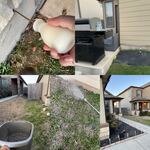
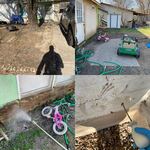
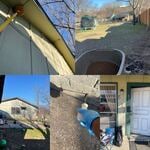
"Very knowledgeable guy who seem to know what he’s doing. Don’t know results of spraying. Have had much rain since. Will have to see if it worked. Terminex will spray again the beginning of next month."
"United Air Temp was able to procure a replacement furnace controller board in a couple of days and Zachary was out within 4 days of the initial visit. The furnace now works very well."
Fruit flies aren’t harmful by themselves, and they can’t bite or sting you. They can, however, spread bacteria around your home and can be a nuisance to live with. That’s why it’s important to eliminate fruit fly infestations quickly and enact preventative measures to keep them out of your house.
It’s debatable, but most will say either termites or bed bugs are the hardest to remove. When dealing with termites, you must find the central nest (as opposed to satellite nests) and exterminate the queen and all potential queens, which often takes the work of a specialist. Bed bugs, meanwhile, are incredibly hardy, good at hiding, and resistant to pesticides, so it takes very careful, very thorough work to get rid of them permanently.
If you’re wondering whether silverfish can fly, they can’t—they don’t have wings. Instead, they wriggle their bodies and move quickly in a fish-like motion, hence their name. Despite their speed, they are limited to crawling along floors, walls, and ceilings. Silverfish are known for their agility and ability to hide in small cracks and crevices, but they cannot jump or fly.
Skunks are nocturnal creatures, meaning they are primarily active at night, particularly around dusk and dawn. Their activity levels increase as the weather warms up, and they are generally dormant or inactive during the winter. Skunks are especially active during the spring months when they are foraging for fresh food and seeking mates. While they are typically not seen during the day, daytime activity is possible if a skunk is having trouble finding food, has babies to care for, or is severely ill.
Signs include discolored wood, crumbling surfaces, and visible pests. Address these issues promptly to prevent further damage.
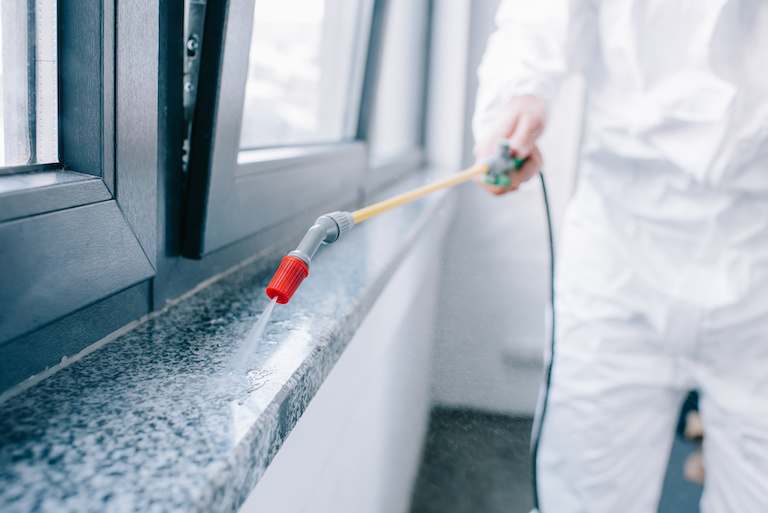
The Chillicothe, TX homeowners’ guide to pest control services
From average costs to expert advice, get all the answers you need to get your job done.