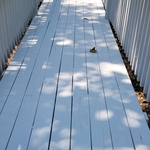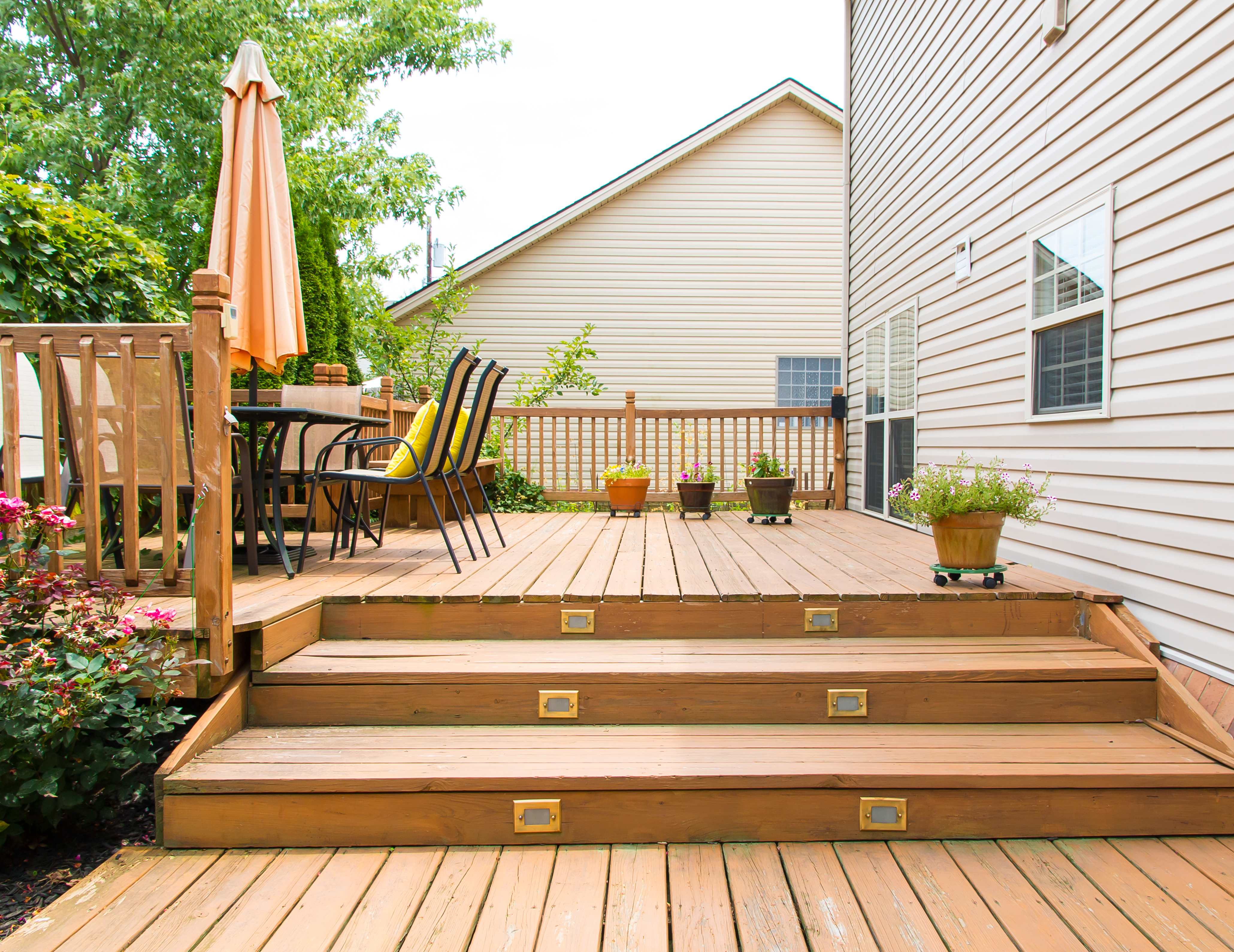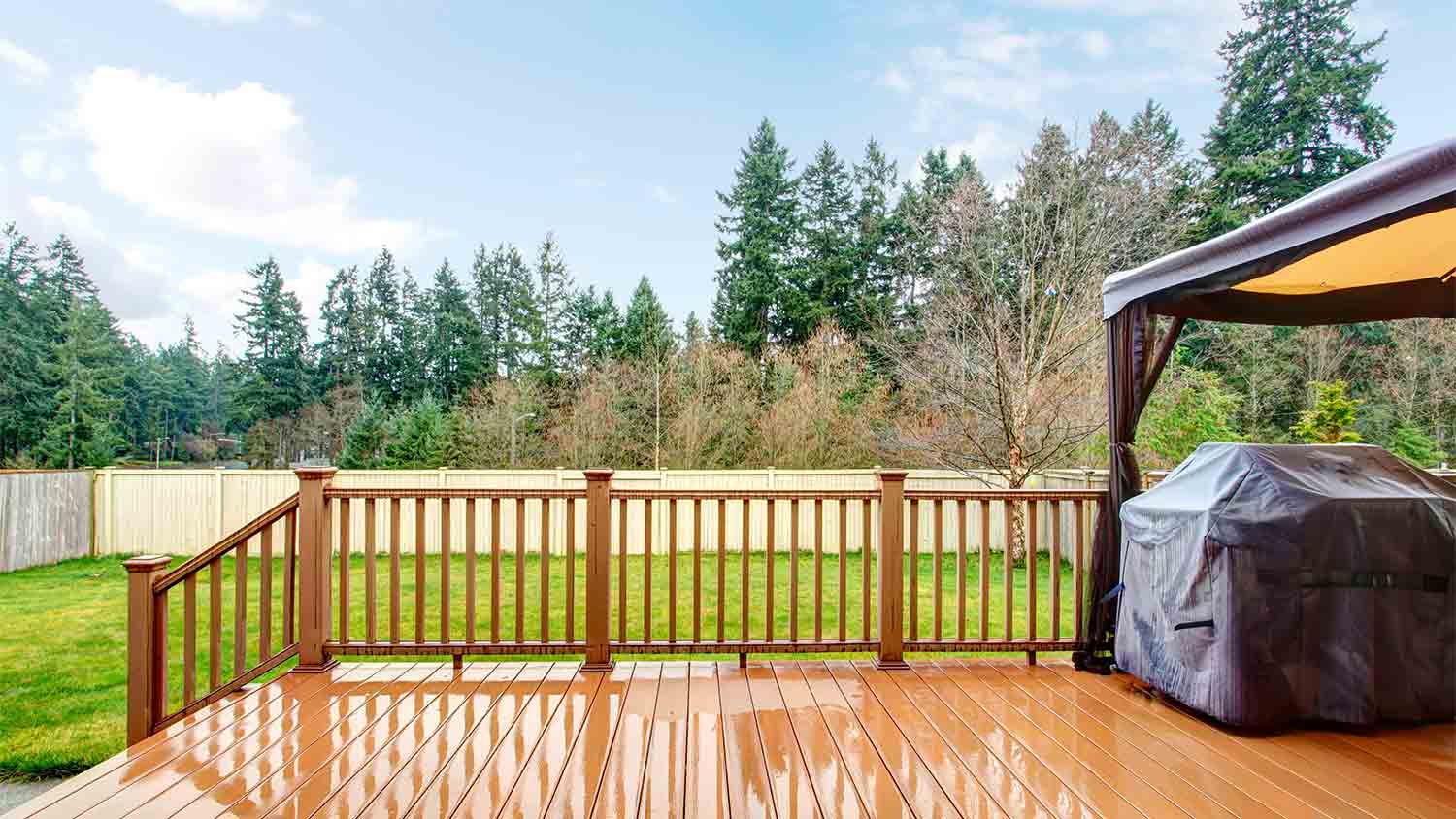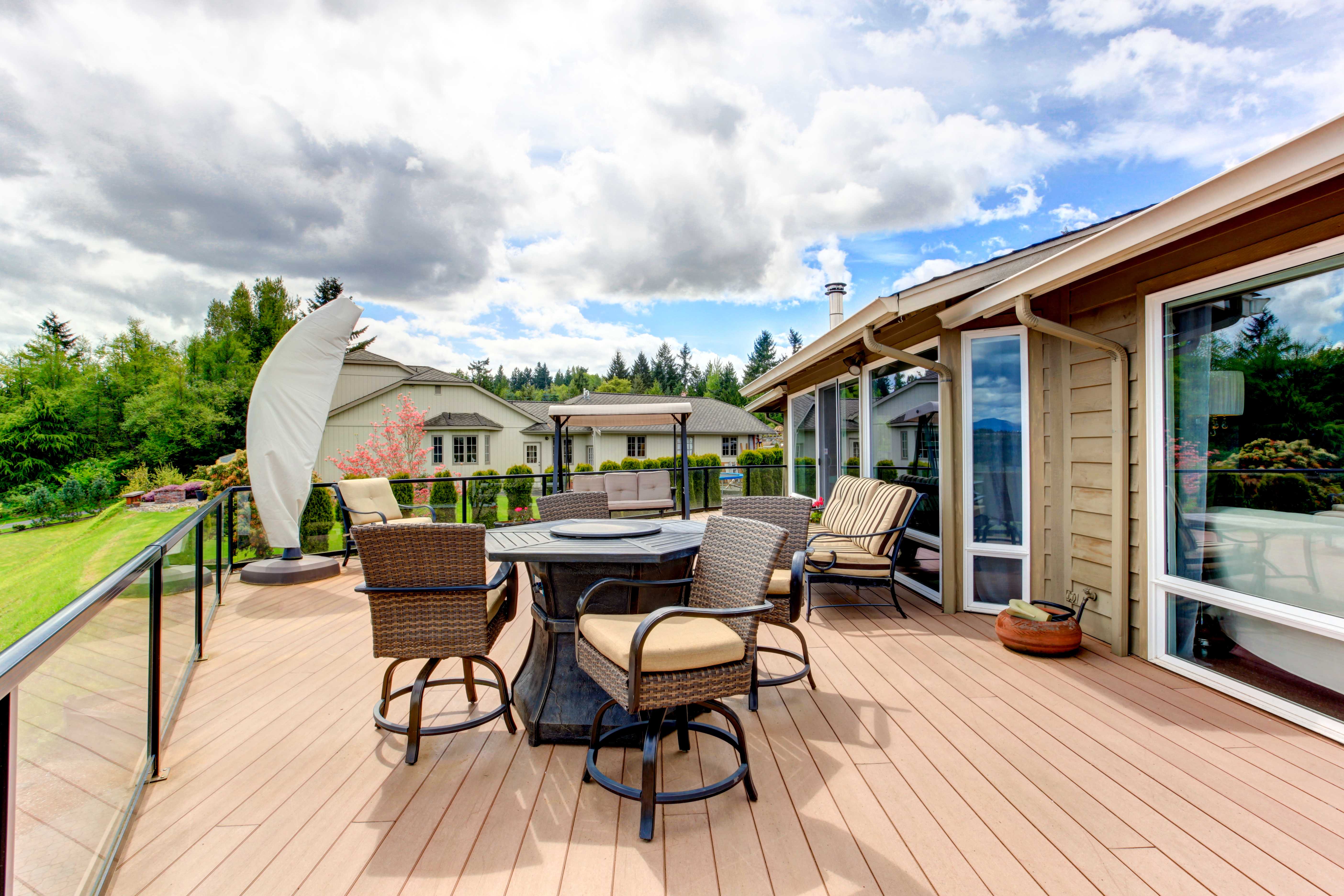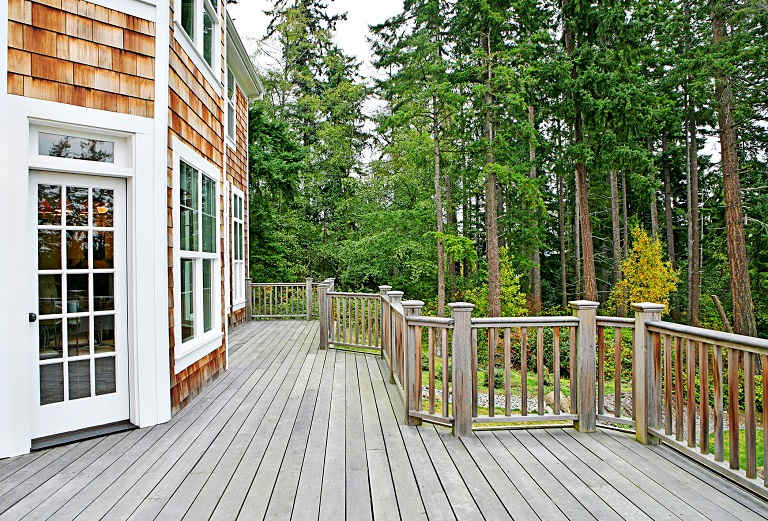










"Excellent job and excellent customer service. The gentleman was very communicative. The project was a two day job (cleaning and staining our deck, cleaning our roof, and house exterior, and pressure washing our driveway). A few days between Day #1 and Day #2 weren't looking feasible to work because of projected rain, and if memory serves (this was about six months ago), he texted me to let me know he would need to push finishing the job (Day #2) back a few days due to the weather. When the forecast changed, he let me know he would be there that afternoon to complete the job. He was very quick, and the deck, house, and driveway all looked brand new when he was finished. I would absolutely recommend and absolutely rehire."
"Excellent experience. The team was professional, punctual, and did an outstanding job cleaning and staining my deck. The quality of work was top-notch, communication was great throughout the process, and everything was completed exactly as promised. Highly recommend and would definitely hire again."
"Outstanding work and Outstanding work ethic! Our new composit deck is beautiful! New window trim is perfect! Ceiling repair is fantastic! Allen was here everyday, on time, worked long hours, including a Saturday! We are already making another list of projects, and wouldn't consider any other company! Told several neighbors about All Access Home Pros. Bravo!"
"Great experience, great customer service, and excellent quality work. They showed up on time, were detail-oriented, and clean up after completing the work."
Unless you’re using a 2-in-1 formula or painting over an existing coat of paint, it pays to apply a coat of primer ahead of your new paint. Decks see a lot of footfall and exposure to extreme and sudden temperature changes and moisture levels. The primer promotes better paint adhesion, moisture repellency, and a smoother finish, which means you’ll often need fewer coats of paint.
Painted decks typically require a new coat about once every ten years. In between new coats, it's best to maintain your deck by regularly removing debris, washing it down with non-abrasive cleaners, and staying ahead of structural issues, such as loose boards and rotting wood. In some cases, painting a small section of your deck affected by damage or the sun can lower your costs and workload.
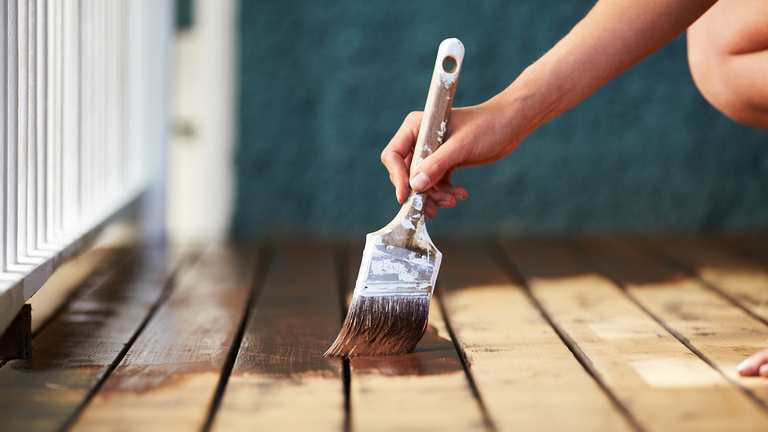
Whether to brush or roll stain on wood depends on the project and your preference. Brushing is ideal for smaller, intricate areas and offers more control over the application, ensuring thorough coverage and penetration into the wood's grain.

Conversely, rolling is efficient for more extensive, flat surfaces and can save time. However, it is not always the best fit for textured or uneven wood. Some projects may benefit from combining both methods, using a brush for detail work and a roller for broader areas. Ultimately, the choice between brushing and rolling depends on the specific requirements of your staining project.
Ultimately, overapplication of stain can compromise the deck's appearance, durability, and longevity. It may result in an uneven finish, with excess stain pooling, dripping, or drying into thick patches. It can also obscure the wood's natural grain and texture, detracting from the desired aesthetic. Moreover, excessive staining may not fully penetrate the wood, leading to poor adhesion and premature wear. Additionally, thick layers of stain are prone to peeling, cracking, and blistering as they struggle to bond with the surface.
Painting a damaged pool deck is not recommended if the substrate is crumbling, cracking, spalling, or otherwise actively deteriorating. Continuing deterioration will result in the paint also delaminating or flaking off the damaged surface. Minor damage such as chips or hairline cracks that are not actively deteriorating can often be repaired enough to paint over. A damaged pool deck with a lot of cracking and deterioration should be replaced for best results.
The Ridgetop, TN homeowners’ guide to deck staining services
From average costs to expert advice, get all the answers you need to get your job done.
Cedar is a popular decking material, best known for its natural wooden look and resistance to rot. So, how much does a cedar deck cost? Find out in this guide.
The best time to stain a deck is when it’s dry but not too sunny. How often you restain a deck depends on climate and wood type, but every two to three years is normal.