


Top-rated deck staining pros.

Best deck staining pros near Portland, TN

Enter your zip and get matched with up to 5 pros

Need a pro for your deck staining project in Portland, TN?

Select your specific project to find the pro for you.

TRUSTED BY PORTLAND, TN HOMEOWNERS

  • Average homeowner rating star icon4.3
    Average homeowner rating
  • Verified reviews icon102
    Verified deck staining services reviews

Top-Rated Deck staining pros in Portland - Updated Nov 2026

...
Showing 1-10 of 84
Deck Staining FAQs, answered by experts

Yes, you can waterproof any wood that has not already been treated. A good way to test this is to splash some water on it. If the water starts to bead up, the wood is treated and most likely doesn’t need another coating.

Yes, it's a good idea to sand the wall with fine-grit sandpaper after spackling, especially if you plan on painting. You can do this by hand or using a sander, but the idea is to ensure the spackle is flush with the wall. Sanding will give your wall a smooth, uniform finish and help your paint and wallpaper stay put.

Various kinds of substances and deck preservatives act as protective coatings for wood to prevent rot, which is caused by water getting into the wood and creating cracks and splits. Stains, paints, and sealants are the three best options to protect your wood, but there are also oils, varnishes, and waxes available. You’ll need to reapply sealant at least once per year, and you should inspect your wood deck regularly to look for signs of damage or general wear and tear.

Staining or sealing a cedar deck or fence is highly recommended to extend its lifespan and protect it from the elements. While cedar is naturally resistant to mold and mildew, it is not impervious to damage from moisture, sun exposure, splintering, fading, and rot over time. Applying a protective finish creates a shield that preserves the wood's strength and appearance, potentially extending its life by five to 10 years.

When choosing a finish, it's helpful to understand the difference between a sealer and a stain. A sealer sits on top of the wood, whereas a combination stain and sealer soaks into the top layer. Because it penetrates the wood, a stain generally offers better protection against UV damage and rot and lasts significantly longer. For the best results that also preserve the wood's natural color, consider using a near-translucent stain.

To maintain protection, plan on reapplying the stain or sealer every two to three years, either as a DIY project or by hiring a professional.

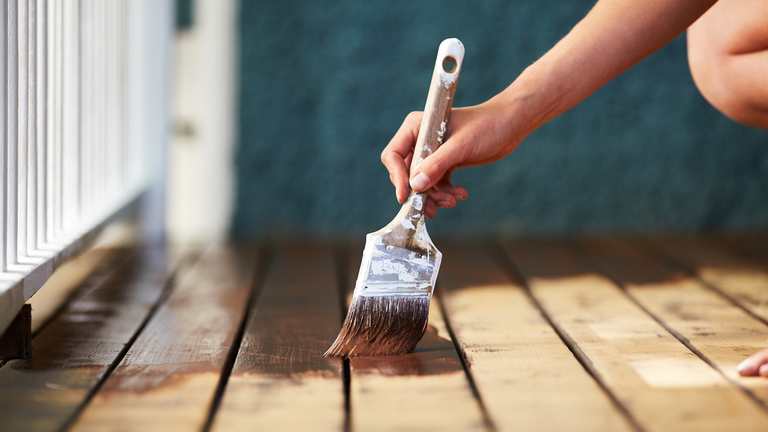
Your tool of choice ultimately comes down to personal preference. Many DIYers prefer applying stain with a lint-free rag, but others stick with a paint brush or a roller. Wipe the stain and work it into the wood, working with and against the grain. If you’re applying multiple coats, allow the stain to dry for around four hours between coats.

The Portland, TN homeowners’ guide to deck staining services

From average costs to expert advice, get all the answers you need to get your job done.