





Top-rated excavation pros.

Get matched with top excavation pros in Halls, TN

Enter your zip and get matched with up to 5 pros

Need a pro for your excavation project in Halls, TN?

Select your specific project to find the pro for you.

Find Excavation pros in Halls

Avatar for CJ Sanders Logistics LLC
CJ Sanders Logistics LLC
5.0(
6
)
Building Site - Preparation and Clearing - For BusinessLandscape - Minor Grading or Resloping

Serving Halls, TN and surrounding areas

In business since 2023

Emergency services offered

"I had an old refrigerator that I needed to get rid of. They showed up exactly when they said they would, and quickly loaded the refrigerator. The price was more than reasonable. I would highly recommend them for any large item removal."
Response time30 mins
Response rate96%
Recommended by100%of homeowners
Avatar for Clear Ground Land Co. LLC
Clear Ground Land Co. LLC
5.0(
4
)
Building Site - Preparation and Clearing

Serving Halls, TN and surrounding areas

Free estimates

Emergency services offered

Small jobs welcome

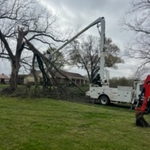
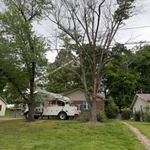
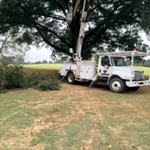
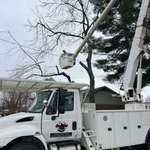
"Clear Ground Land Co is professional and genuine. They responded back quickly. I had them clear up some trees for me and now it looks amazing! They quoted me and gave me a fair price. I would highly recommend them!"
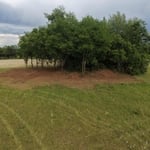
Clearing Overgrowth
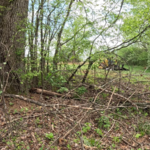
Clearing Overgrowth
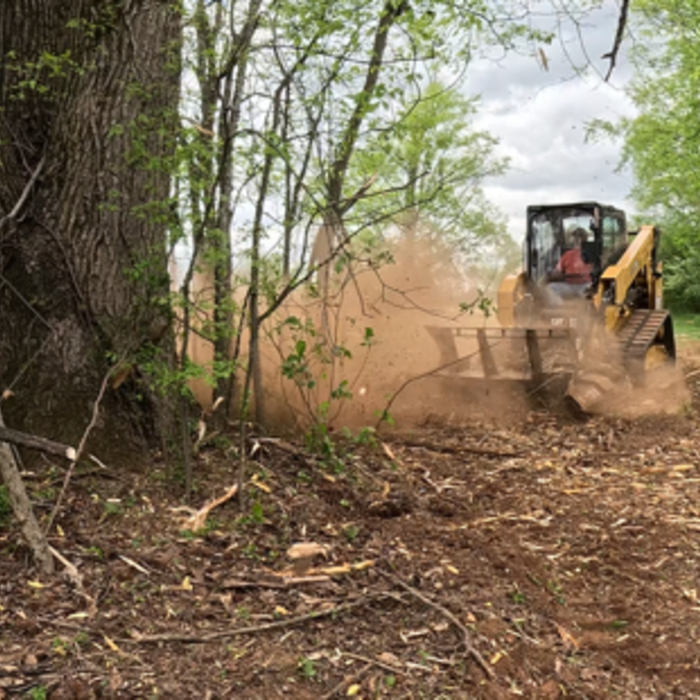
Clearing Overgrowth
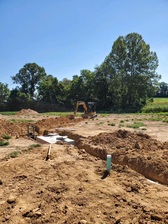
Clearing Overgrowth
Clearing Overgrowth

+2

5 neighbors recently requested a quote
Avatar for S&S Excavating and Trenching
S&S Excavating and Trenching
5.0(
1
)
Landscape - Minor Grading or Resloping

Serving Halls, TN and surrounding areas

In business since 2019

Free estimates

Offers commercial services

"Eric did a great job, he is very knowledgeable and efficient. He dug a drain from our driveway that was having erosion problems and installed drainage pipes on the side to fed them to the street storm drain."
Response time3 hrs
Recommended by100%of homeowners
Showing 1-10 of 38
Excavating questions, answered by experts

The best type of soil to build on is a mixture of sand and clay, known as loam soil. Loam soil has the best combination of these soil types to build a foundation on. The clay particles help with water retention, so it won’t erode like sandy soil might, and the sandy particles help with drainage, so you won’t see unsafe soil expansion or have an increased risk of leaks from water sitting against your foundation.

A trench that is less than 5 feet deep often doesn't require a protective system. Most residential trenches will not go this deep (the typical residential drainage trench is just 18 inches deep). In the event that an excavator needs to dig more than 5 feet beneath the surface, a protective system is required unless the excavation is in entirely stable rock.

If you’re planning to dig on your property, you’ll need to check for underground utility lines. Call the national call-before-you-dig 811 number. Once connected to an operator, you can schedule a site visit to mark underground lines. This way, you won’t accidentally dig into pipes and can cause major (read: costly) issues.

Most residential basements are 8 to 10 feet deep. You can dig deeper depending on building codes, but it does become more difficult. You’ll likely need to install stronger foundation walls and additional supports to handle the increased load. Depending on the water table, you may also need a water management system. Clay soil can support a deeper foundation than sandy soil. A structural engineer will be able to tell you the maximum, feasible depth.

The easier way to find buried sprinkler lines is to use the plan from the professionals who installed the system. If you don’t have professional plans, listen for running water on your lawn when you turn on the system. You may also spot wet areas, giving you an idea of where the heads are. Once you find the sprinkler heads, you’ll likely be able to connect the dots between them, revealing the system below.

The Halls, TN homeowners’ guide to excavation services

From average costs to expert advice, get all the answers you need to get your job done.