




Top-rated excavation pros.

Get matched with top excavation pros in Brighton, TN

Enter your zip and get matched with up to 5 pros

Need a pro for your excavation project in Brighton, TN?

Select your specific project to find the pro for you.

Find Excavation pros in Brighton

Avatar for Holland Drain & Water Leak
Holland Drain & Water Leak
4.5(
16
)
Landscape - Minor Grading or ReslopingBuilding Site - Preparation and ClearingExcavation - Major Grading or Resloping+2 more

Serving Brighton, TN and surrounding areas

Approved

Free estimates

Emergency services offered

Warranties offered

"Brett did an excellent job explaining the process and regularly providing status updates. He completed the process quickly and made sure things were thoroughly cleaned up. He even followed up 2 days later to make sure things were still operating smoothly. Brett is now my go-to contact for all things plumbing."
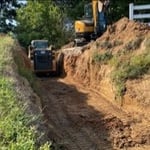
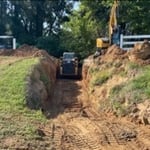
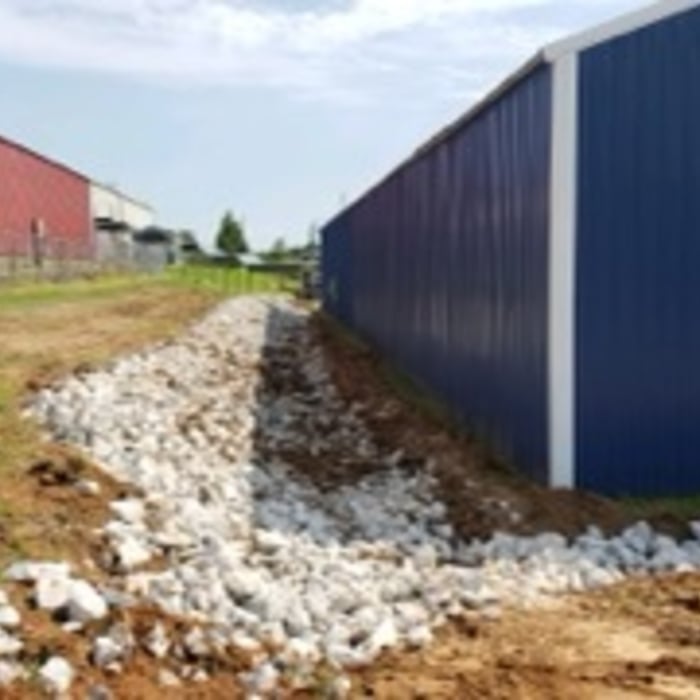
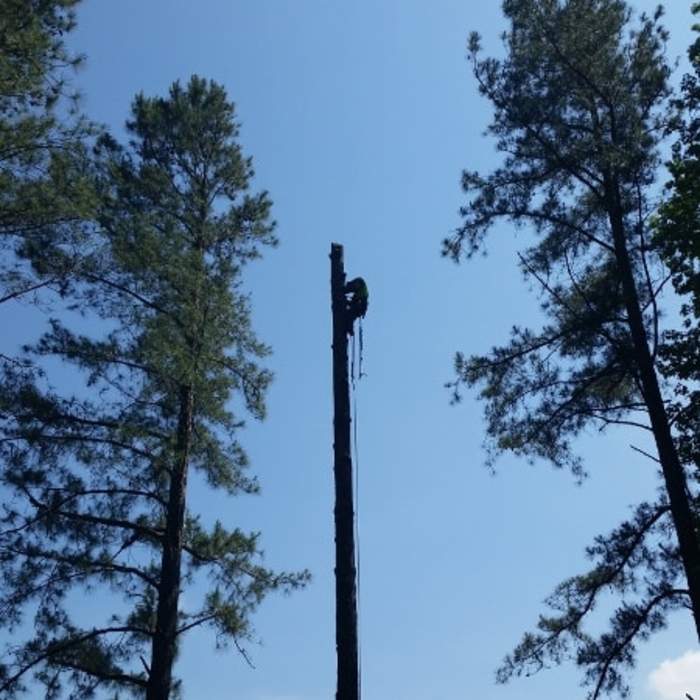
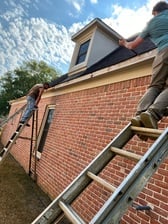
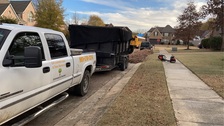
Additional Photos
Additional Photos
Additional Photos
Additional Photos
Additional Photos

+3

Response time1 day
Response rate100%
5 neighbors recently requested a quote

Avatar for S&S Excavating and Trenching
S&S Excavating and Trenching
5.0(
1
)
Landscape - Minor Grading or Resloping

Serving Brighton, TN and surrounding areas

In business since 2019

Free estimates

Offers commercial services

"Eric did a great job, he is very knowledgeable and efficient. He dug a drain from our driveway that was having erosion problems and installed drainage pipes on the side to fed them to the street storm drain."
Response time3 hrs
Recommended by100%of homeowners
Showing 1-10 of 44
Excavating questions, answered by experts

The time it takes to build a pool—and dig out the area—varies based on the pool size and type. A professional excavator will take between four and eight hours to dig a pool. The process will take longer if they encounter large boulders or tree roots. Keep in mind that this is a small part of the process in the long run. You will need between eight and 12 weeks to build a pool from start to finish, including the time to apply for permits.

The best method for digging a trench depends on the scope of the project. For a short, shallow trench (less than 2 feet deep) in light, soft soil, digging by hand may be sufficient. However, digging by hand is labor-intensive, so consider the effort required. A machine trencher is the better option for longer trenches (over 100 feet), deeper ones, or when dealing with difficult soil conditions, such as rocky or hard ground, or obstructions like tree roots. A machine can save significant time and energy in these situations.

The digging depth will depend on the size of the trencher you use. Even smaller units can dig up to 4 feet deep, which is plenty for a DIY job. However, much larger trenchers can reach a depth of 18 feet and are better used by a team of pro contractors, not a single DIYer. As with all home improvement projects, use the right tool for the job and proceed with caution.

Whether you grind or dig up and remove your tree stump depends on your landscaping goals. Using a stump grinder leaves the root system in place for it to decompose over time, whereas digging up the tree stump removes the roots and the stump. Overall, stump grinding is a far simpler process since you won’t need to deal with the roots. Stump removal will make your yard look like a demolition site, but you’ll have an easier time replanting in the same place as your former tree.

No, you typically cannot use metal detectors to find your sewer line. Most sewer lines are made of non-metallic materials such as PVC, clay, or cast iron, which are not detectable by standard metal detectors. Metal detectors are designed to locate metallic objects, so they won't be effective for identifying the path of a non-metallic sewer line. To locate your sewer line accurately, it's best to use other methods.

The Brighton, TN homeowners’ guide to excavation services

From average costs to expert advice, get all the answers you need to get your job done.