







Top-rated excavation pros.

Get matched with top excavation pros in Caruthersville, MO

Enter your zip and get matched with up to 5 pros

Need a pro for your excavation project in Caruthersville, MO?

Select your specific project to find the pro for you.

Find Excavation pros in Caruthersville

Avatar for S&S Excavating and Trenching
S&S Excavating and Trenching
5.0(
1
)
Landscape - Minor Grading or Resloping

Serving Caruthersville, MO and surrounding areas

In business since 2019

Free estimates

Offers commercial services

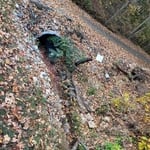
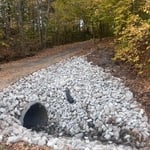
"Eric did a great job, he is very knowledgeable and efficient. He dug a drain from our driveway that was having erosion problems and installed drainage pipes on the side to fed them to the street storm drain."
Response time3 hrs
Recommended by100%of homeowners
Avatar for R & R Repairs
R & R Repairs
4.8(
4
)
Landscape - Minor Grading or Resloping

Serving Caruthersville, MO and surrounding areas

In business since 2010

Free estimates

Credit card accepted

"We had Ricky complete many jobs around the house. He repaired and installed trim pieces around the roofing edge, repaired siding, painted from porch posts, installed electrical outlets inside and outside the house and installed additional breakers, along with lights in the garage. All jobs were completed professionally and on time. He cleaned up all job sites when finished. He paid close attention to the quality of work and the craftsmanship was spectacular! We are already talking to him about future jobs around the house"
Response time9 hrs
Response rate100%
Showing 1-10 of 25
Excavating questions, answered by experts

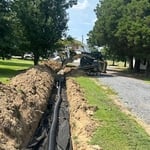
Depth is not a qualifying component of evacuation. Any human-made cut, cavity, or depression in the earth’s surface is considered excavation. The hole from excavation can be any size, shape, or depth. Excavation is used to create foundations, reservoirs, drainage ditches, and roads. Long, narrow excavations are called trenches and are often used for underground utilities.

The cost to drill a well varies, with a national average of around $5,500 for a 150-foot well. However, prices can fluctuate significantly based on several factors, including your location, the required well depth, geological conditions, local regulations, and the specific drilling methods used. For the most accurate cost assessment, it is best to research and get quotes from local well-drilling professionals in your area.

The best method for digging a trench depends on the scope of the project. For a short, shallow trench (less than 2 feet deep) in light, soft soil, digging by hand may be sufficient. However, digging by hand is labor-intensive, so consider the effort required. A machine trencher is the better option for longer trenches (over 100 feet), deeper ones, or when dealing with difficult soil conditions, such as rocky or hard ground, or obstructions like tree roots. A machine can save significant time and energy in these situations.

Trenches are typically 12 to 24 inches deep and 8 inches wide. However, the required depth depends on the specific project and local ordinances. For example, a French drain may need to be 18 inches deep, while a water pipe might require a depth of 24 inches and a drainage pipe 36 inches. Your city or county may have specific regulations, so it's wise to consult with an excavation professional to determine the correct depth for your project.

There are several methods to hollow out a tree stump, and the best one depends on your tools, experience, and priorities. Common methods include using a chisel and hammer, a chainsaw, or burning.

  • Chisel and Hammer: This is often considered the easiest approach for those with limited tools or experience, though it is the most time-consuming.

  • Chainsaw: Using a chainsaw is the fastest method, but it comes with significant safety risks, especially for inexperienced users.

  • Burning: This can be an effective method, but it is not recommended unless you can first drill holes into the stump. Without holes, the stump will be difficult to light and may not burn completely through.

A power drill with at least a ⅜-inch diameter bit can make the job quicker and easier, regardless of the primary method. While you can use a chisel or chainsaw without a drill, it will require more time and effort. Always wear protective goggles and thick gloves, as splinters are an inevitable risk.

The Caruthersville, MO homeowners’ guide to excavation services

From average costs to expert advice, get all the answers you need to get your job done.