





Top-rated excavation pros.

Best excavation pros near Ripley, TN

Enter your zip and get matched with up to 5 pros

Need a pro for your excavation project in Ripley, TN?

Select your specific project to find the pro for you.

Top-Rated Excavation pros in Ripley - Updated Nov 2026

Avatar for Crows Nest Tree Service, Inc.
Crows Nest Tree Service, Inc.
5.0(
1
)
Landscape - Minor Grading or Resloping

Serving Ripley, TN and surrounding areas

Approved

In business since 2025

Free estimates

Credit card accepted

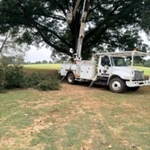
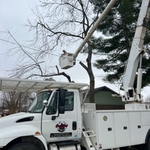
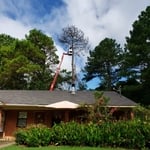
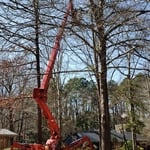
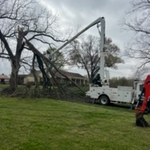
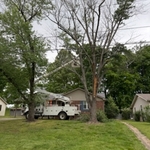
Crows Nest Tree Service Inc is a locally owned and operated company that values honesty and integrity and treats your home as if it were our own. We take great pride in our experience, expertise, quality, and customer service that we provide to meet the consumer's needs. It is our mission to provide excellent workmanship and complete customer satisfaction from start to completion of a project. In order to understand the needs and expectations of our customers, we take great care to work and communicate with every customer in a professional manner. Our reputation is based on service, safety, and quality, regardless of how large or small the job.
Tree Service
Tree Service
Tree Service
Tree Service
Tree Service

+3

8 neighbors recently requested a quote
Leedy Farms & Land Management LLC
New to Angi
Landscape - Minor Grading or Resloping

Serving Ripley, TN and surrounding areas

Approved

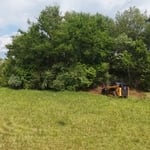
Leedy Farms & Land Management LLC is a locally owned and operated land management, excavation, and property improvement company based in Buchanan, Tennessee. Established in 2023, our team brings decades of combined hands-on experience in heavy equipment operation, excavation, land clearing, grading, property maintenance, welding, fabrication, construction support, and industrial work.\n\nWe serve West Tennessee and surrounding areas and are willing to travel for larger projects. Our services include excavation, land and lot clearing, tree and brush removal, driveway and road work, gravel spreading, grading, drainage improvements, bush hogging, site preparation, and property cleanup.\n\nWe believe in honesty, dependability, hard work, clear communication, and treating every customer's property like our own. We take pride in doing the job right from start to finish.\n\nFrom clearing to completion – we do it all!

Avatar for S&S Excavating and Trenching
S&S Excavating and Trenching
5.0(
1
)
Landscape - Minor Grading or Resloping

Serving Ripley, TN and surrounding areas

In business since 2019

Free estimates

Offers commercial services

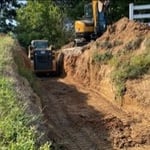
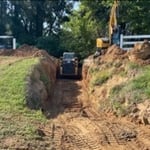
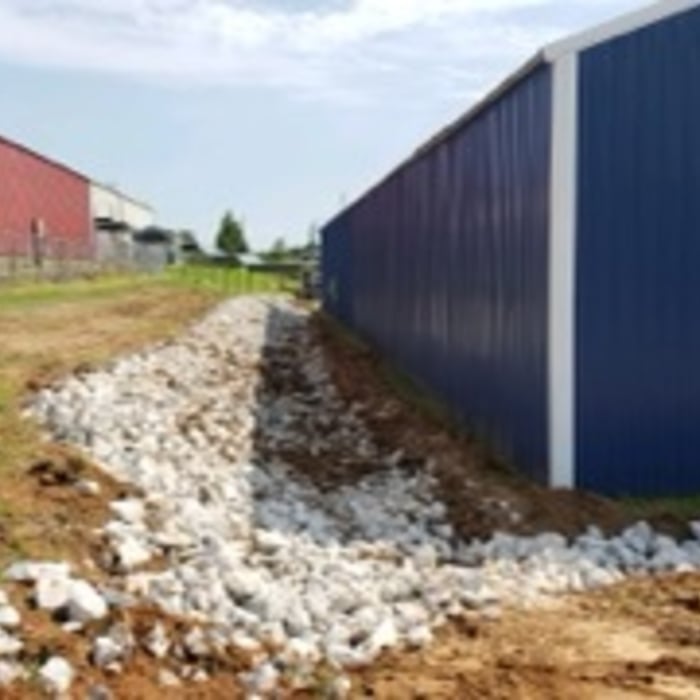
"Eric did a great job, he is very knowledgeable and efficient. He dug a drain from our driveway that was having erosion problems and installed drainage pipes on the side to fed them to the street storm drain."
Response time3 hrs
Recommended by100%of homeowners
Showing 1-10 of 37
Excavating FAQs, answered by experts

There are many ways to cut through roots when digging, especially if your trencher doesn’t seem to be removing the roots. First, use a shovel to expose the roots. Then, use gardening shears to clear out smaller roots or a reciprocating saw to remove larger plant roots. If you plan on keeping the plant, avoid cutting any roots over 2 inches thick.

Depending on the severity of the freeze and the method used, thawing frozen underground pipes can take anywhere from 30 minutes to several hours. Applying heat directly to the pipe using heat tape, infrared lamps, or hot water jetting can speed up the process. However, patience and careful monitoring are key to avoiding pipe damage.

Trenches are typically 12 to 24 inches deep and 8 inches wide. However, the required depth depends on the specific project and local ordinances. For example, a French drain may need to be 18 inches deep, while a water pipe might require a depth of 24 inches and a drainage pipe 36 inches. Your city or county may have specific regulations, so it's wise to consult with an excavation professional to determine the correct depth for your project.

A joint utility trench, or joint trench, is a long, buried ditch on a property that contains two or more utility lines rather than running the lines in multiple trenches. Some utilities, like gas and electric or electric and communication lines, are better suited to joint trenching, while others, like water and sewer, are not allowed to be in the same trench.

The best type of soil to build on is a mixture of sand and clay, known as loam soil. Loam soil has the best combination of these soil types to build a foundation on. The clay particles help with water retention, so it won’t erode like sandy soil might, and the sandy particles help with drainage, so you won’t see unsafe soil expansion or have an increased risk of leaks from water sitting against your foundation.

The Ripley, TN homeowners’ guide to excavation services

From average costs to expert advice, get all the answers you need to get your job done.