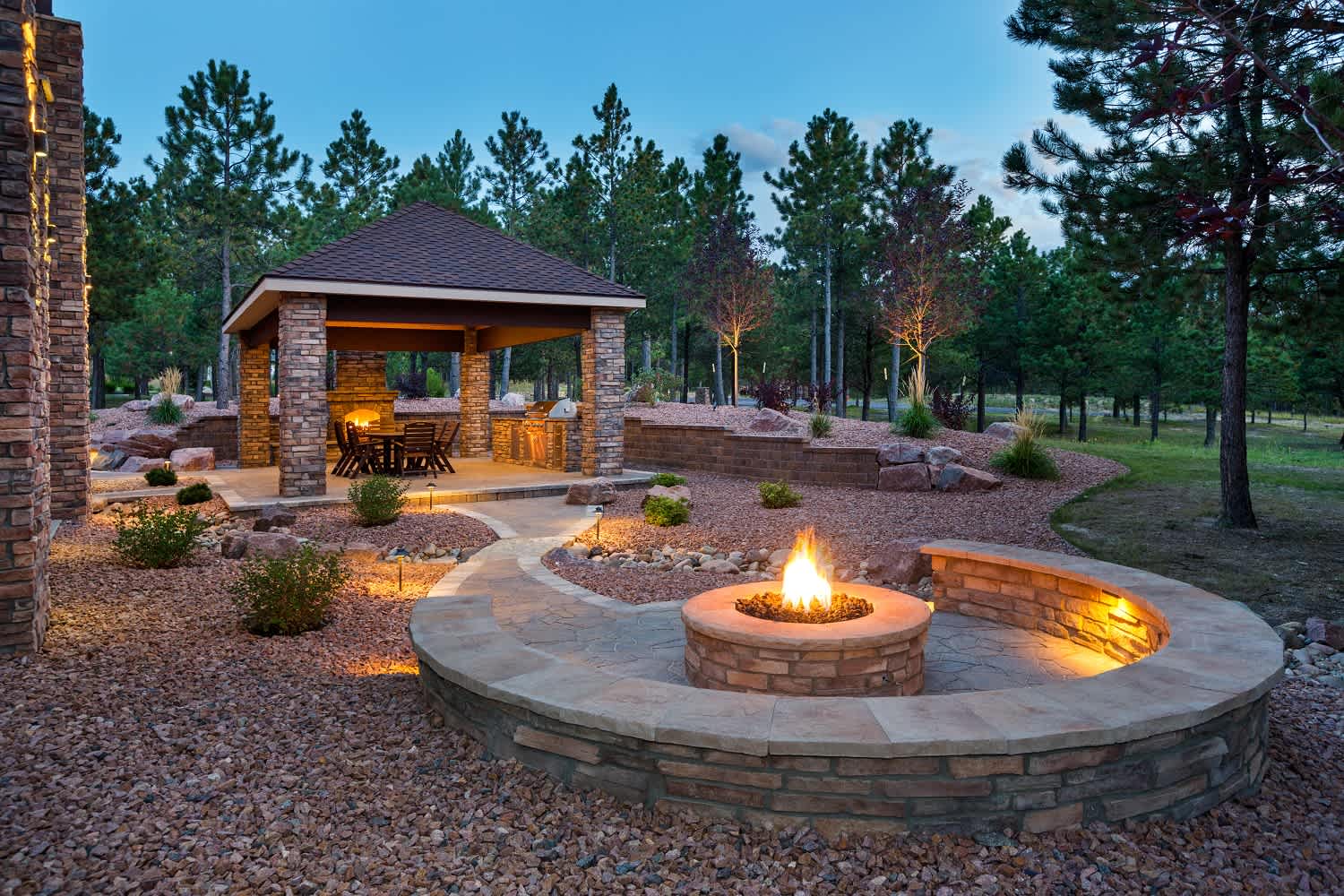







Top-rated fire pit installation pros.

Get matched with top fire pit installation pros in Franklin, TN

Enter your zip and get matched with up to 5 pros

Need a pro for your fire pit installation project in Franklin, TN?

Select your specific project to find the pro for you.

TRUSTED BY FRANKLIN, TN HOMEOWNERS

  • Average homeowner rating star icon4.5
    Average homeowner rating
  • Verified reviews icon1.4k+
    Verified fire pit installation services reviews

Find Fire pit installation pros in Franklin

Fire Pit Installation questions, answered by experts

Most installations take 1-3 days, depending on system complexity and building size.

First, it is crucial to check your local guidelines or building codes. You should typically have one smoke detector for every floor, bedroom, and kitchen. Another rule of thumb is to install one smoke detector for every 500 feet in a home. Reviewing manufacturing recommendations, especially for interconnected devices, is also a good idea to ensure proper connection and monitoring.

No, but they both serve distinct life-saving purposes. Smoke detectors primarily sense the presence of smoke, typically caused by a fire, and emit loud alarms to alert occupants to evacuate. In contrast, carbon monoxide detectors monitor the levels of carbon monoxide gas, an odorless and colorless but deadly substance produced by incomplete combustion of fuels. When CO levels become dangerous, CO detectors sound alarms to warn inhabitants of potential poisoning risks. 

No. Removing the cause of concern will only lead to deeper concern. You cannot use any fire-powered appliance like a fireplace or furnace without an escape route for the smoke and fumes. If you remove the flue intending to repair or replace it, you should only use the fireplace, wood stove, or furnace once the flue is in working order. If you cannot replace the flue you have removed, call a chimney repair professional immediately.

Generally, an oil furnace is considered safer than a gas furnace for several reasons. While both types of furnaces can produce carbon monoxide, a leak in an oil furnace is easier to detect due to the smell. Oil furnaces also don't connect to a gas pipeline, which reduces the chance of a fuel leak. Most importantly, heating oil is not combustible, whereas natural gas is highly flammable. This means there is a much lower risk of combustion or explosion with an oil furnace. However, an oil furnace can still pose a fire hazard if it tips over.

The Franklin, TN homeowners’ guide to fire pit installation services

From average costs to expert advice, get all the answers you need to get your job done.