"I been using them for years now, they provide good service so far. They always sent out reliable people to remedy the problem and they always came out in a timely manner."
We pride our company on reliability, great communication, integrity, and quality work. We are experts in our trade and will do our best to keep you as educated as we can on your particular task or project. We look forward to earning your business! Book with us online or feel free to give us a call today!
\n
\n
David Ferguson's construction business is dedicated to quality and outstanding customer service. Our job is to provide you with quality service at a great price. Please don't wait call us today.
Mold Testing and Remediation questions, answered by experts
Dehumidifiers do not directly remove mold or spores from the air. However, by lowering the room’s humidity, spores are less likely to flourish when landing on surfaces.
Yes, mold can easily grow under your hardwood floors, especially if your house has recently flooded or if there is a leak from a pipe under the floor. Hardwood floors can trap moisture beneath them, creating the perfect environment for mold to grow. Similarly, mold can also grow under your wood floor’s surface paint.
Several factors contribute to the persistent growth of mold in vents, with excess moisture being the most common culprit. Consistent mold formation in vents indicates an ongoing moisture problem within the HVAC system or its surroundings, likely caused by condensation on cool surfaces in areas with high humidity. Moisture accumulation can also result from leaks in ductwork, inadequate ventilation, or insufficient insulation, creating an environment favorable for mold growth. Regular inspections, addressing potential sources of moisture, maintaining proper ventilation, and routine HVAC maintenance can help prevent the recurrence of mold in vents. If the issue persists, seek professional assistance to identify and rectify the underlying problems.
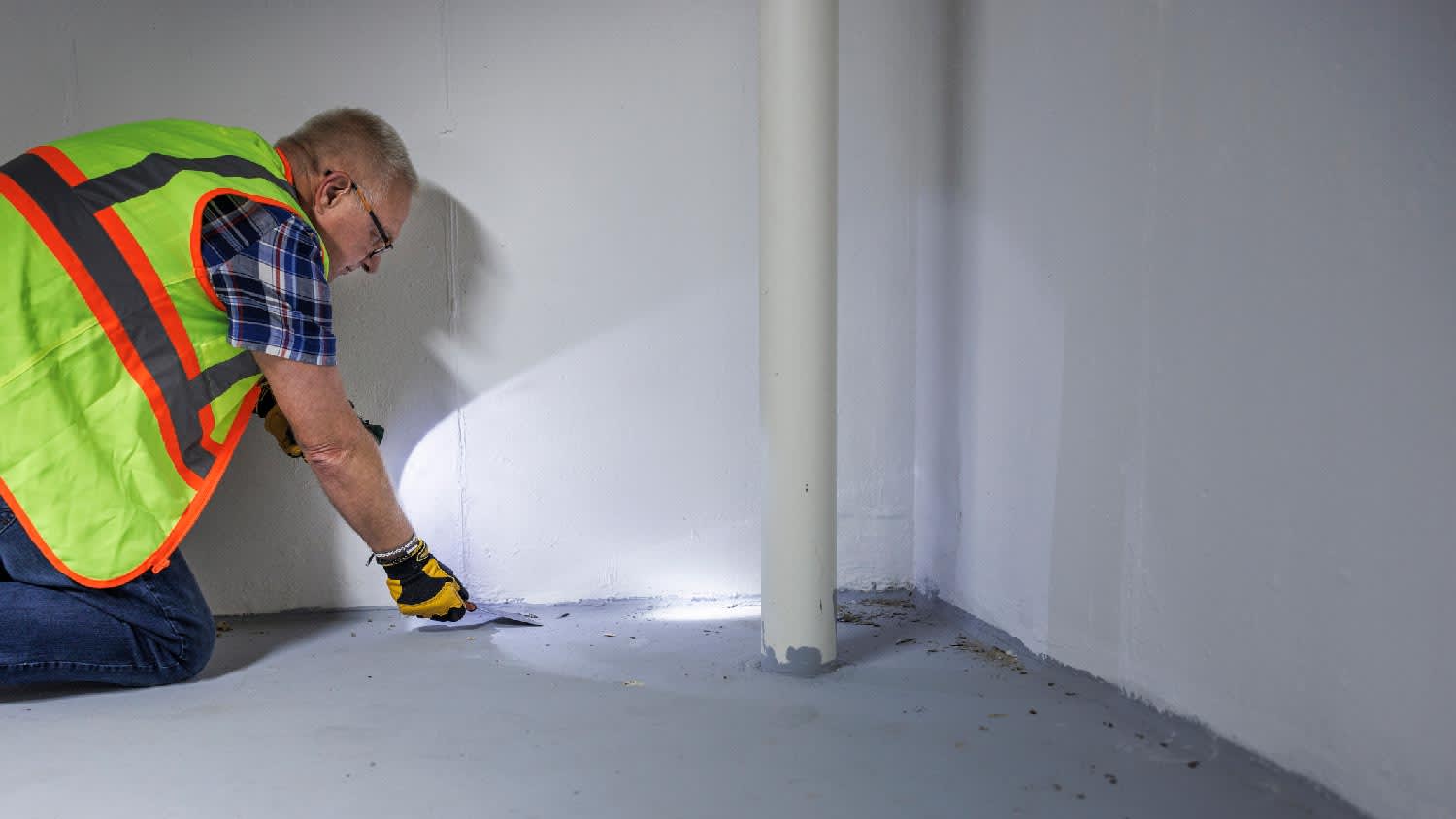
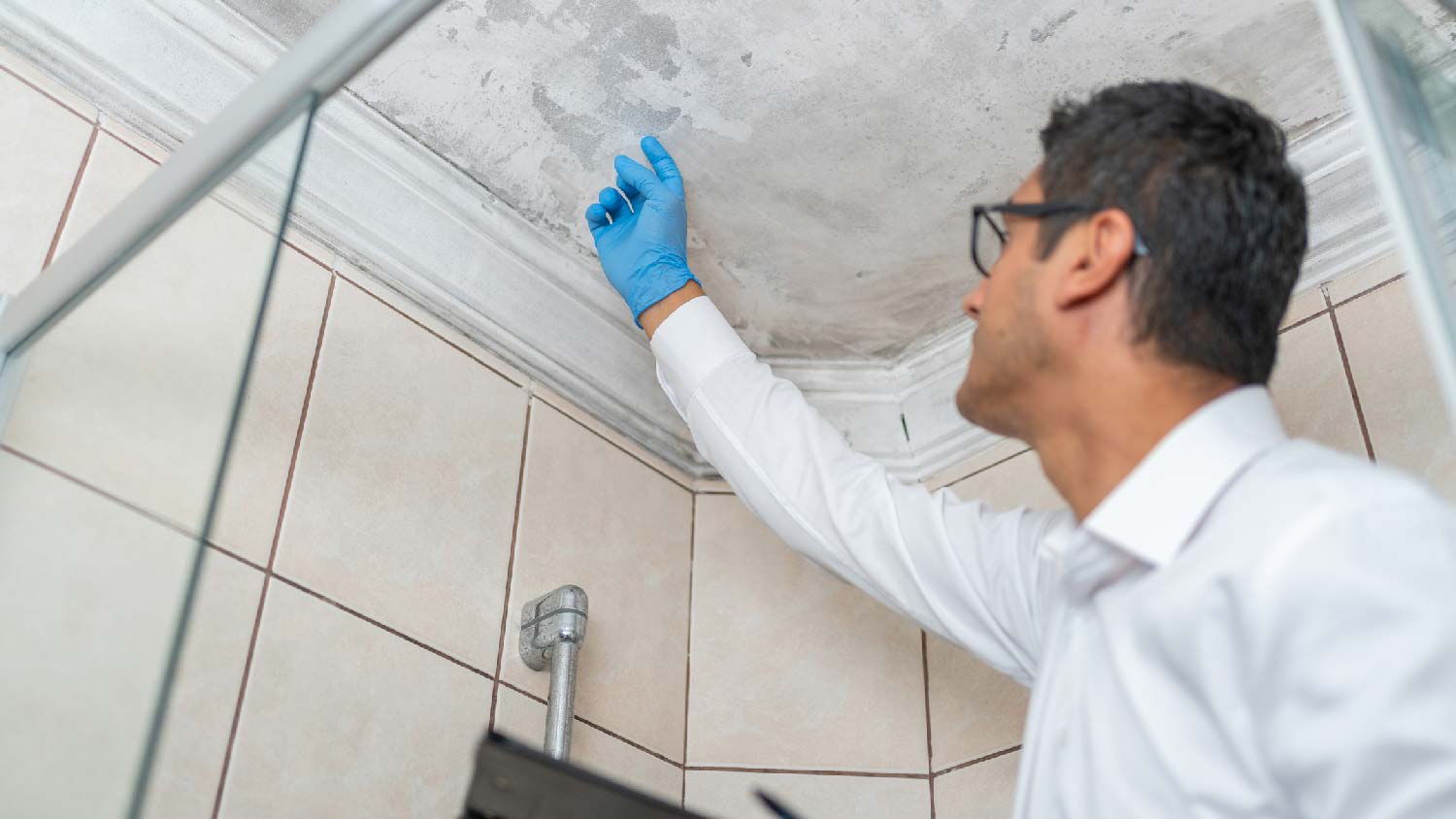
Thorough inspection, air quality tests, and surface sampling to detect mold presence and levels.
While a professional can always help, there are some common plumbing culprits you can check yourself to see if you can find the sewer gas smell. For example, you should check your water traps, sometimes called P-traps and S-traps, which are located under sink, shower, and laundry drains. The wax ring beneath the base of your toilet, which creates a watertight seal with the plumbing, could also have gone bad.
The Wanblee, SD homeowners’ guide to mold testing and remediation services
From average costs to expert advice, get all the answers you need to get your job done.
The cost of a mold inspection might seem high, but it’s one of the best investments you can make for your health and home. Read on to learn cost-saving tips.
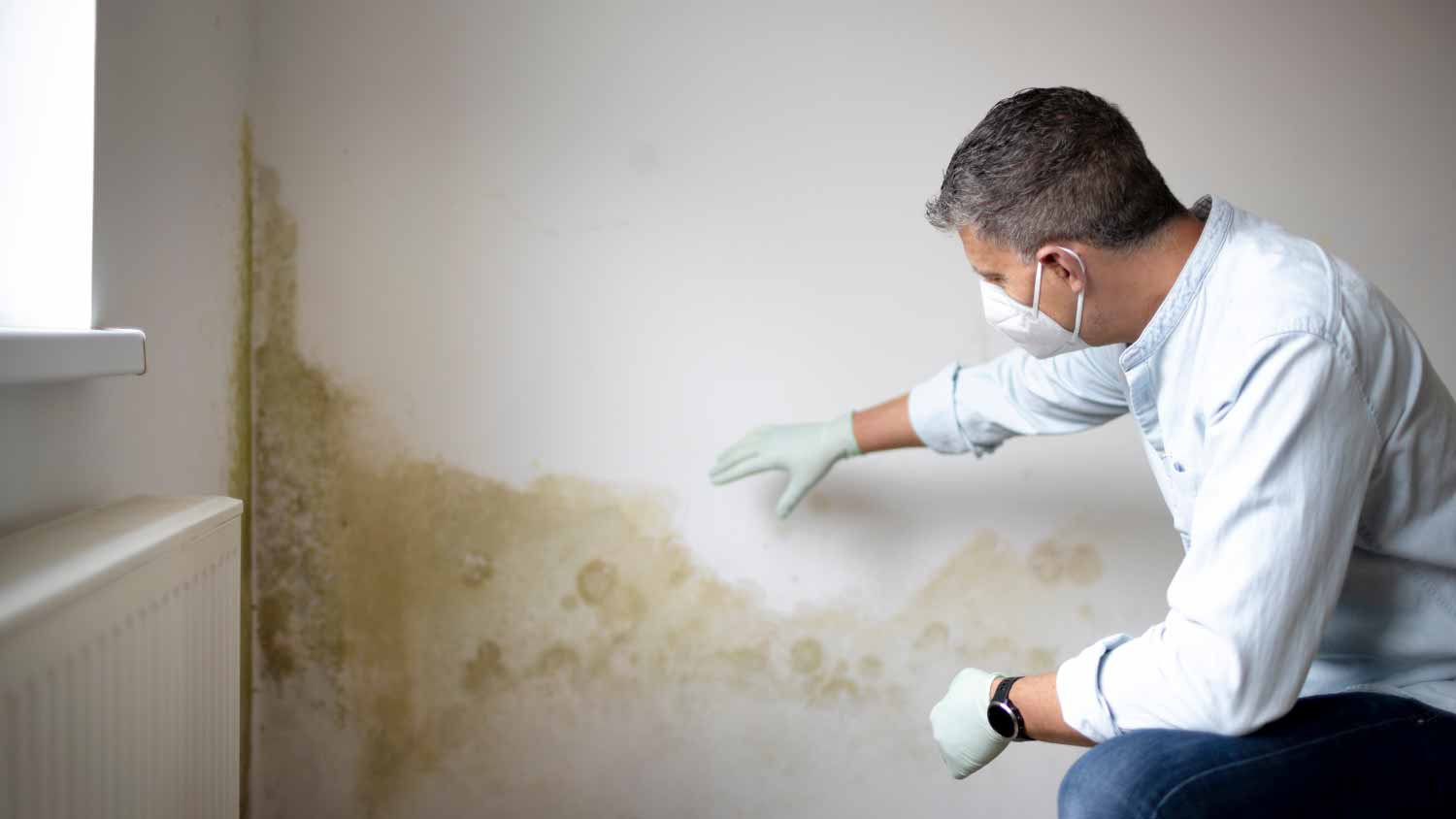
Figuring out how to test for mold in your home is important. Mold testing can offer peace of mind and lets you know if it’s time to call a pro. Learn about mold testing processes in this guide.
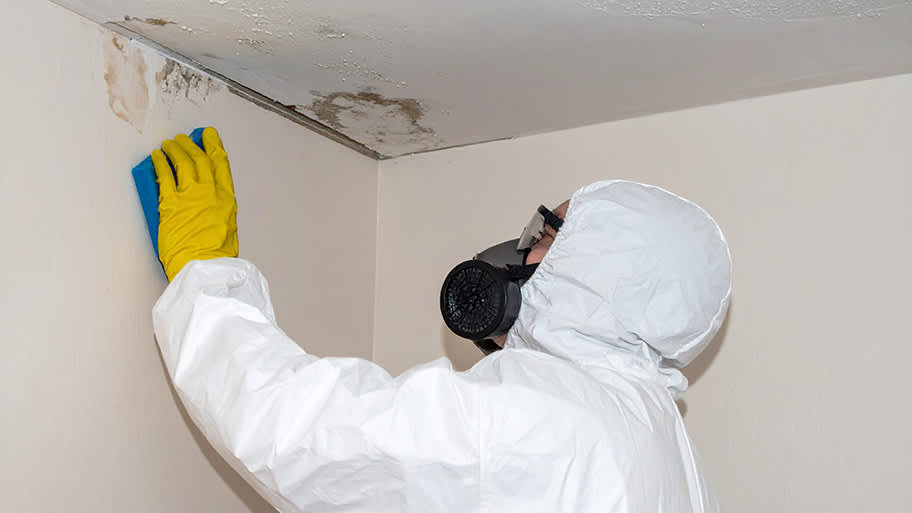
When is mold remediation required at your home? We can help you decide whether the musty odor or the patch of mold you’re experiencing requires a pro’s help.
There's an excellent reason why you should avoid going with the same company for mold testing and mold remediation. Learn why different companies should handle these tasks.