


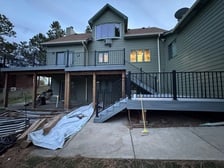

Patriot Painting & Drywall
Plaster - InstallPlaster - Repair
Serving Black Hawk, SD and surrounding areas
Approved
Emergency services offered
"he did nice work, working with me"
19 neighbors recently requested a quote

 4.4
 73
*The Angi rating for Plaster Repair companies in Black Hawk, SD is a rating based on verified reviews from our community of homeowners who have used these pros to meet their Plaster Repair needs.
*The HomeAdvisor rating for Plaster Repair companies in Black Hawk, SD is a rating based on verified reviews from our community of homeowners who have used these pros to meet their Plaster Repair needs.
Last update on July 07, 2026
Serving Black Hawk, SD and surrounding areas
Approved
Emergency services offered
"he did nice work, working with me"
Serving Black Hawk, SD and surrounding areas
In business since 2020
Free estimates
Small jobs welcome
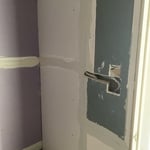
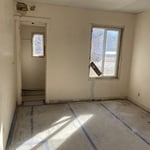
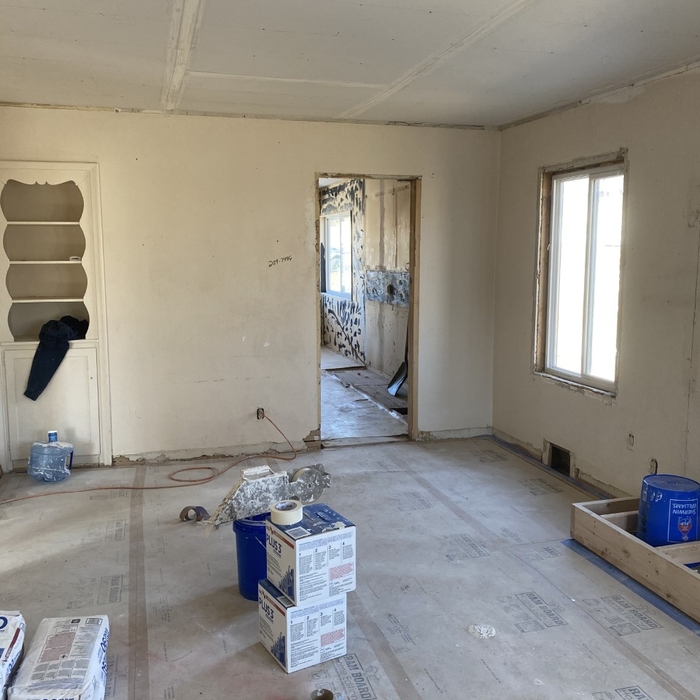
"I had a really bad drywall job that needed to be taken care of and these guys and came in and handled it. I was very impressed with their work and I would certainly use them again."
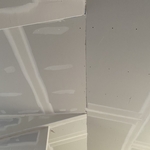
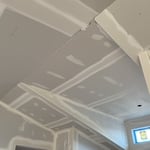
+1
Serving Black Hawk, SD and surrounding areas
In business since 2020
Free estimates
Credit card accepted
"They were very prompt in response to my contacting them. They arrived on time and quoted a reasonable price for the job. The work was done as promised for the amount quoted. Will definitely contact this company again if I need more work done."
Serving Black Hawk, SD and surrounding areas
In business since 1994
Free estimates
Experience Quality, pride in work
Serving Black Hawk, SD and surrounding areas
In business since 2015
Free estimates
Small jobs welcome
We take great pride in our experience, expertise, quality, and customer service that we provide to meet the consumer's needs. It is our mission to provide excellent workmanship and complete customer satisfaction from start to completion of a project. In order to understand the needs and expectations of our customers, we take great care to work and communicate with every customer in a professional manner. Our reputation is based on service, safety, and quality, regardless of how large or small the job.

+13
Serving Black Hawk, SD and surrounding areas
In business since 2023
Free estimates
Credit card accepted
"Excellent work , completed on time within budget .. nice job !"
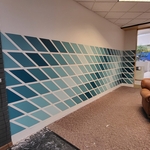
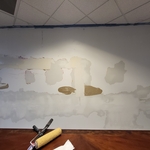
+5
Serving Black Hawk, SD and surrounding areas
In business since 2007
Free estimates
"They came to my house right away and gave me a bid. Unfortunately I already had someone else lined up."
Serving Black Hawk, SD and surrounding areas
In business since 2016
Free estimates
Credit card accepted
We specialize in drywall and painting, but also offer a wide range of expertise for a variety of other projects. We pride ourselves on the quality of our work as well as our commitment to outstanding results. We look forward to building lasting relationships and guarantee your satisfaction!
Serving Black Hawk, SD and surrounding areas
In business since 2020
Free estimates
Credit card accepted
"He listened to what I wanted, we discussed options to get the best results and turned out awesome. He is very detailed, organized and very timely. Everyone loves my kitchen. Thanks to him and his staff."
Serving Black Hawk, SD and surrounding areas
In business since 2025
Free estimates
Credit card accepted
We pride our company on reliability, great communication, integrity, and quality work. We are experts in our trade and will do our best to keep you as educated as we can on your particular task or project. We look forward to earning your business!
From average costs to expert advice, get all the answers you need to get your job done.

Plaster repair costs are determined by the size and type of damage. Discover why some fixes you can DIY and why some require a pro’s help.
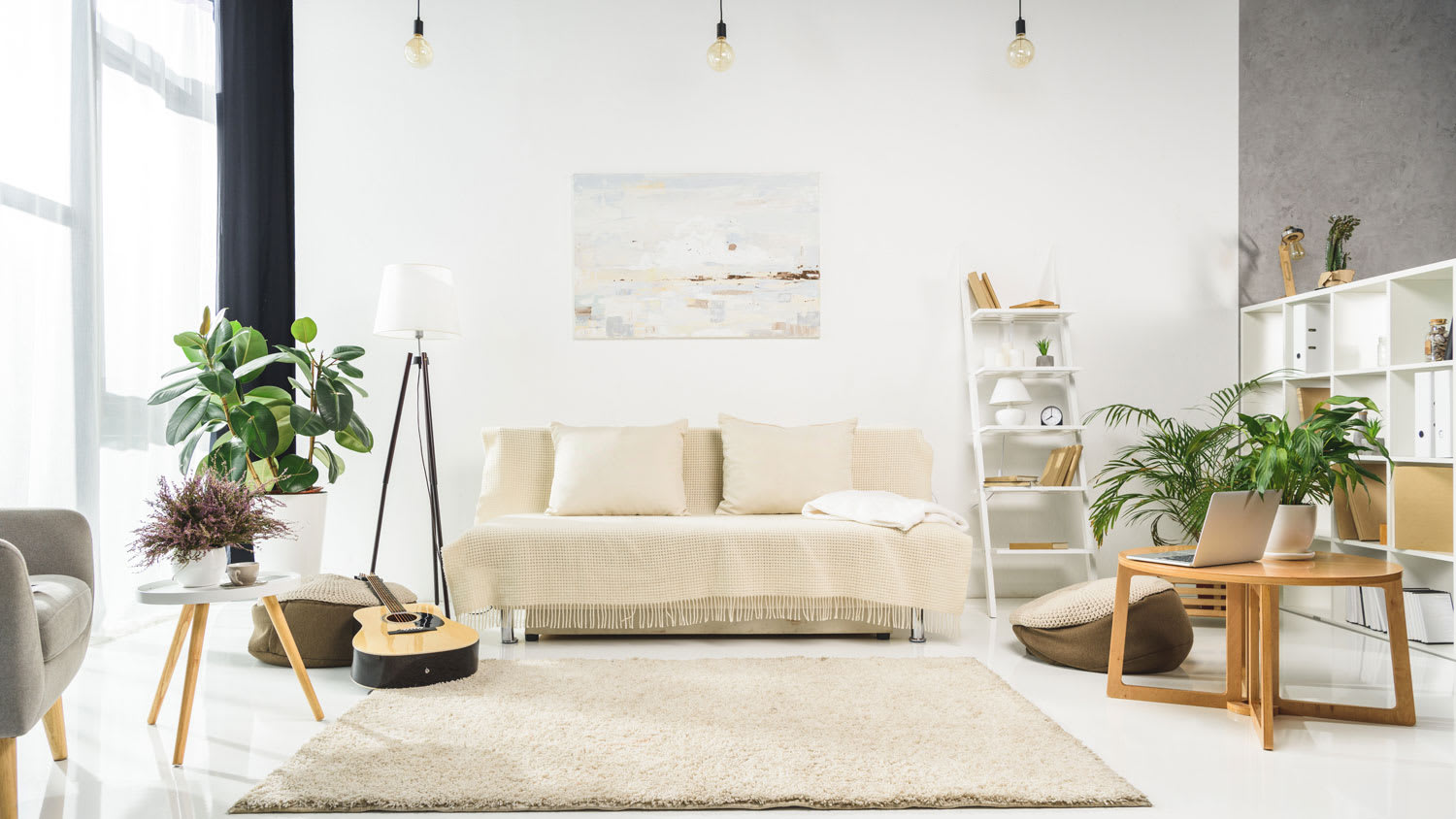
The cost of plastering walls and ceilings depends on the room size and ceiling height. Our tips can help you estimate an accurate cost.
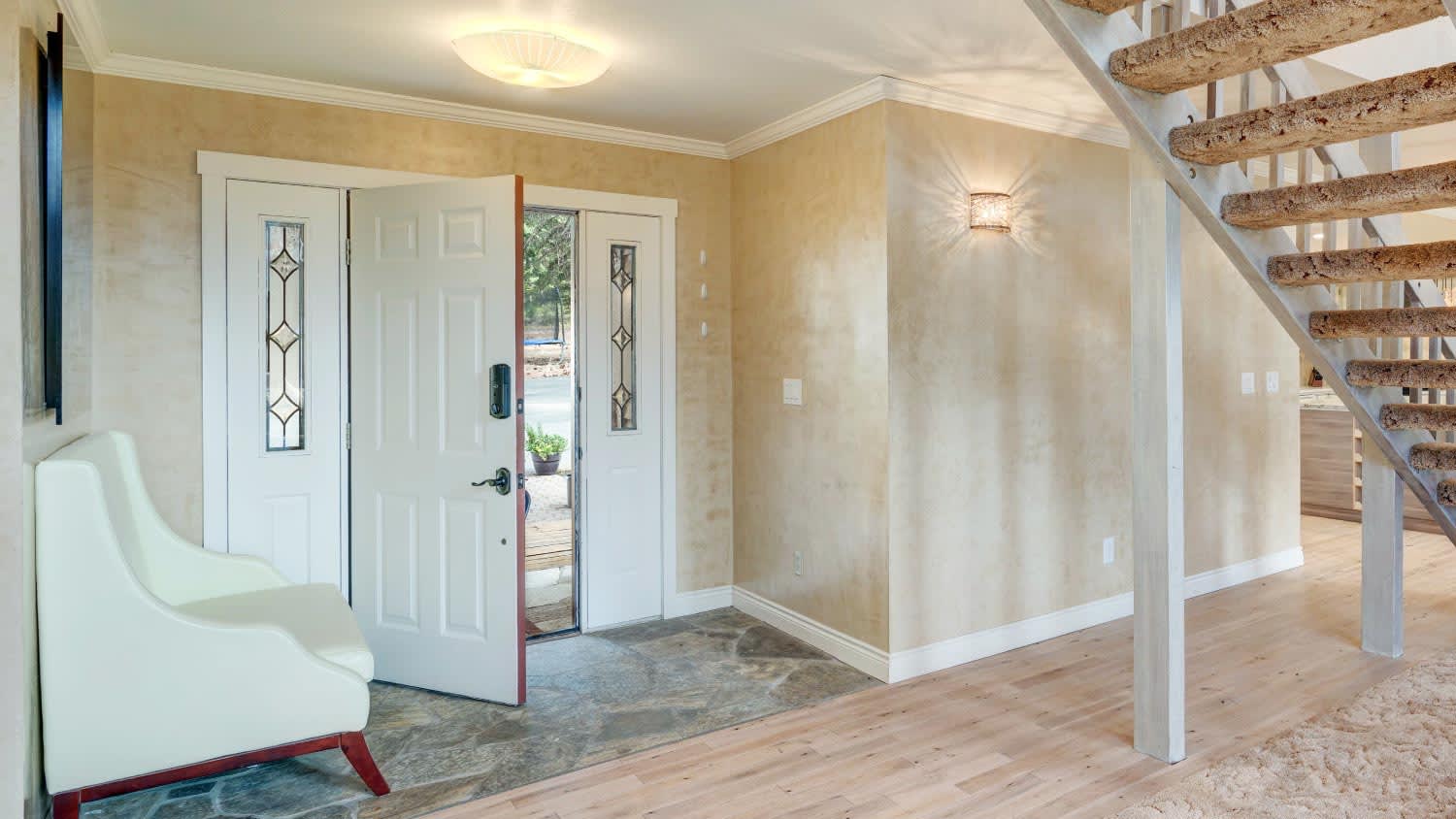
Venetian plaster can add depth and texture to your aesthetic. Learn how much Venetian plaster costs based on factors like square footage and whether you hire a pro to help.
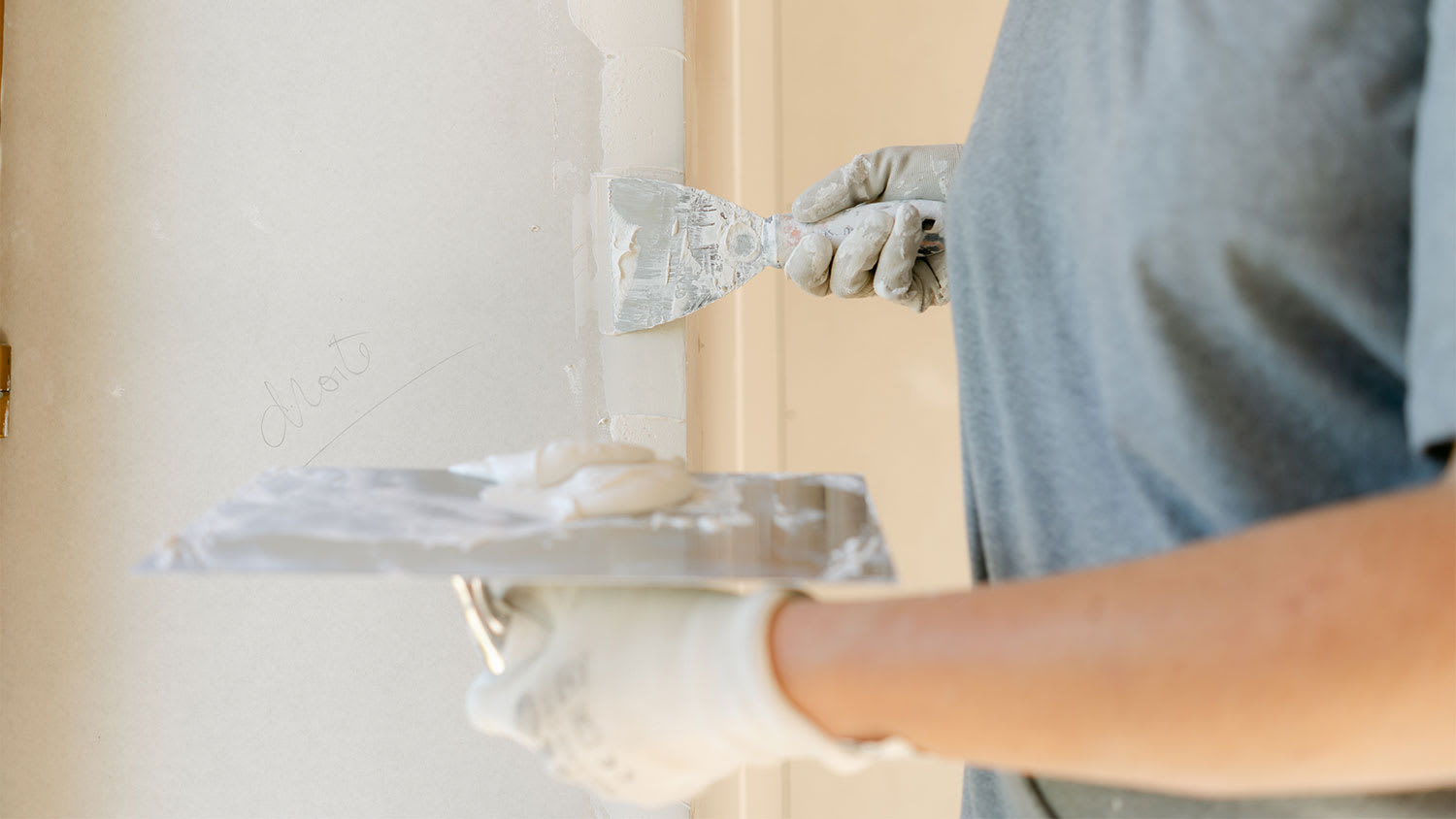
Finding a qualified plaster repair pro? Learn how to hire the right specialist, what questions to ask, and what to expect for your project.
Planning a plaster repair project? Learn about the process, average costs to expect, and how to hire the right local pro to restore your walls.

You can find plaster walls in a lot of older homes. What’s behind these walls—whether that’s lath or calcimine—can have an impact on how long they last. Finding out the age of your house can help you determine what you’re dealing with.