We are a locally owned and operated company that values honesty, integrity and treats your home as if it were our own. We offer a variety of general contractor services that are customizable to each individual project. You will find us to be competitively priced, paying close attention to the details of each and every project that we are involved with. We look forward to building lasting relationships and guarantee your satisfaction!
"Their work was very good, so good that I kept adding more work for them to do. They were kind and courteous and strived to achieve the best possible work. Their work ethic and price were exceptionaly honest and fair. If I have more work in the future I will definitely hire them again."
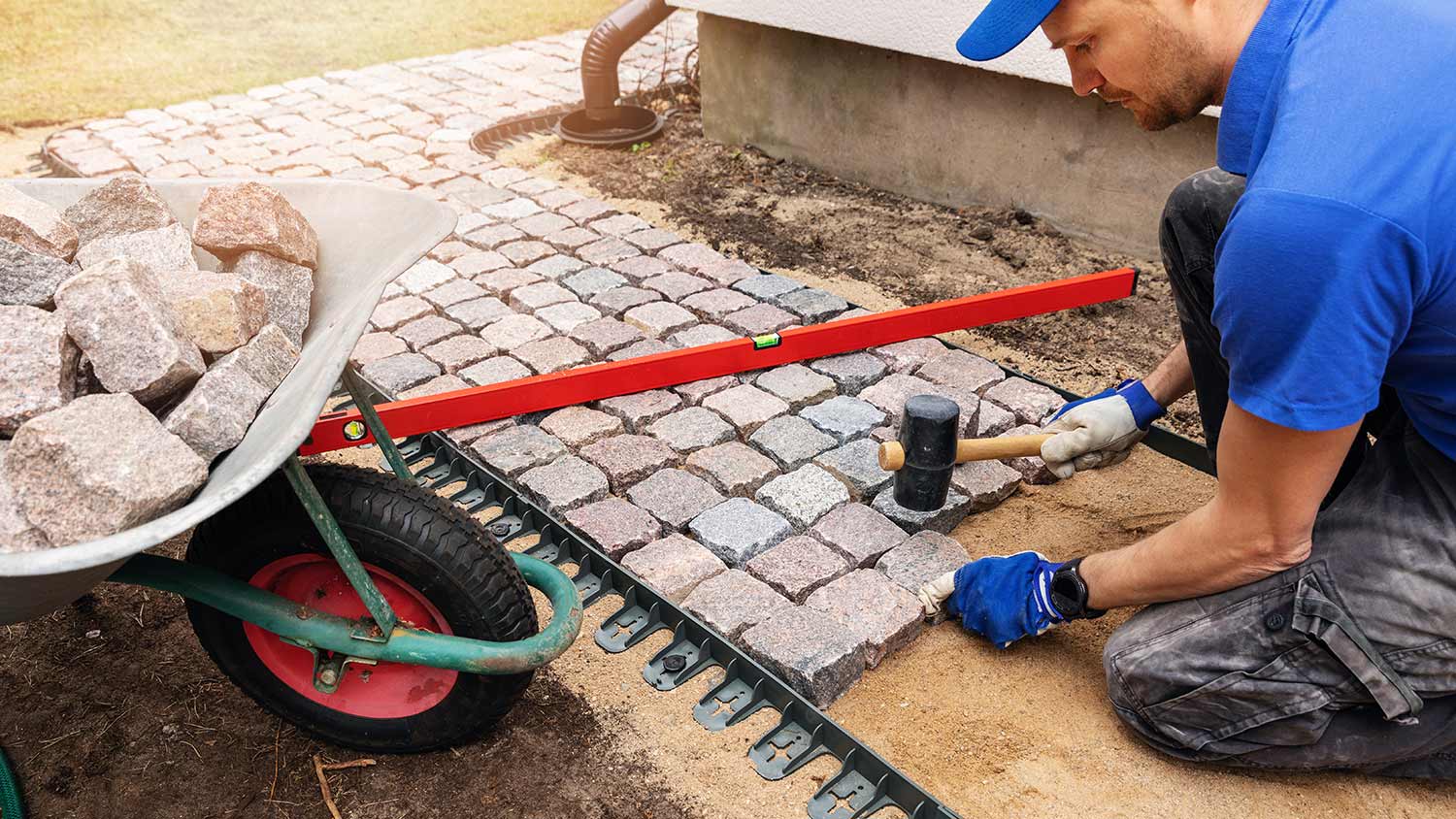
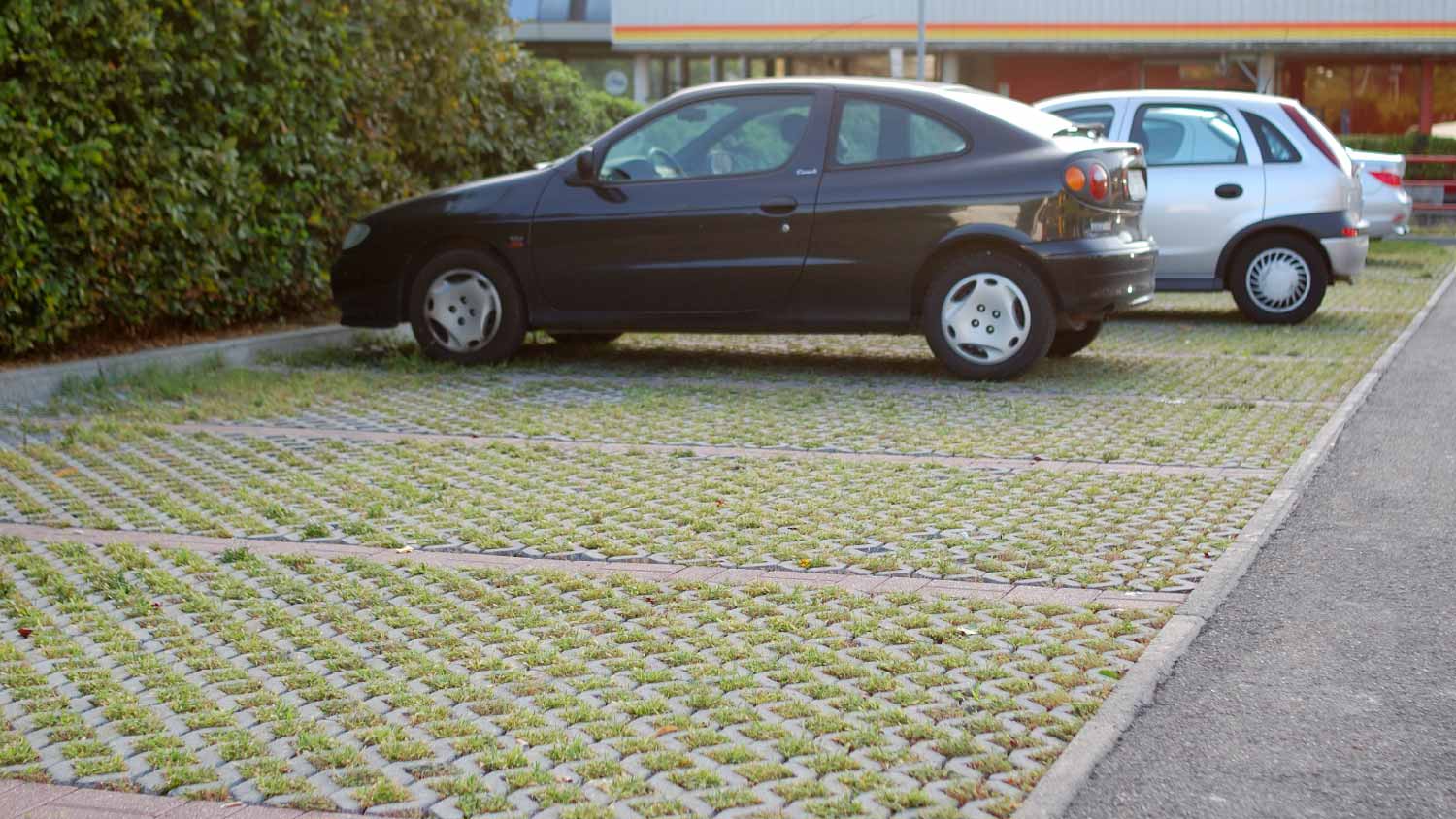
Pavers are a type of permeable hardscape that can be used for driveways, patios, walkways, and other landscaping features. Unlike poured concrete or asphalt, pavers typically have a layer of gravel underneath to prevent water runoff from damaging your property—though you can also lay pavers on grass. Because pavers are installed piece by piece, you can customize a one-of-a-kind hardscape that best suits your aesthetics, boosting your curb appeal along the way.
While blacktop is a type of asphalt, the terms should not be used interchangeably, as not all asphalt qualifies as blacktop. The primary differences are in their composition, production process, and ideal applications. Blacktop contains more stone than other types of asphalt and is heated to a higher temperature during production—300°F or more—while hot-mix asphalt is heated to between 275°F and 300°F. The ratio of bitumen (a tar-like crude oil) is a key differentiator, though sources vary: some state blacktop has less bitumen, making it less durable, while others claim it has a higher ratio. Due to these differences, asphalt is generally more durable and better for high-traffic areas like highways and streets, while blacktop is more suitable for playgrounds and residential driveways. For a driveway project, it is best to consult a professional to determine the most appropriate material.
While water-related pressure caused by poor drainage is one common cause of paver cracking, other factors can include ground movement beneath pavers, heavy loads and wear and tear over the pavers, and climates with constant freeze-thaw cycles. In general, pavers should be resealed every three to five years to prevent cracking.
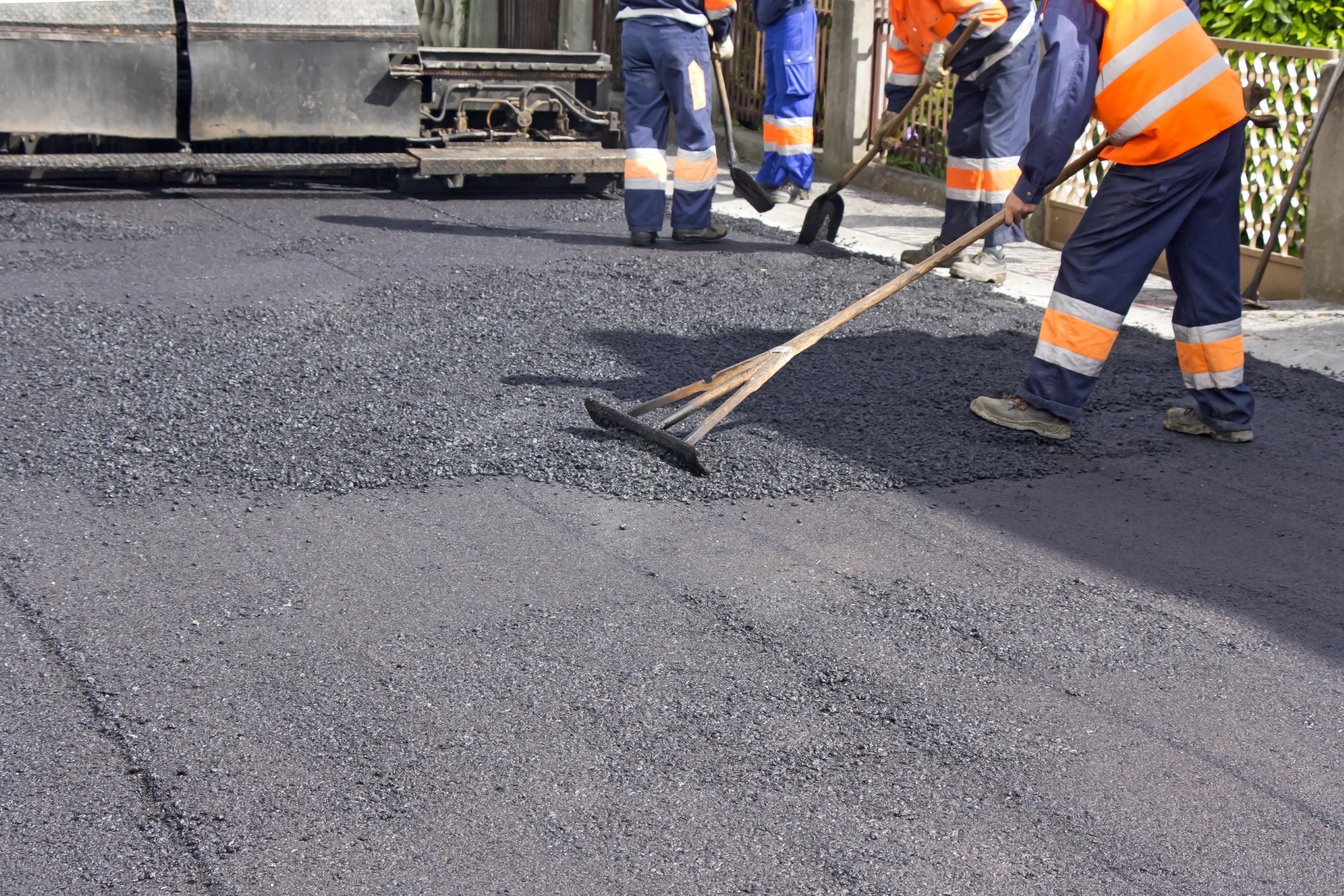
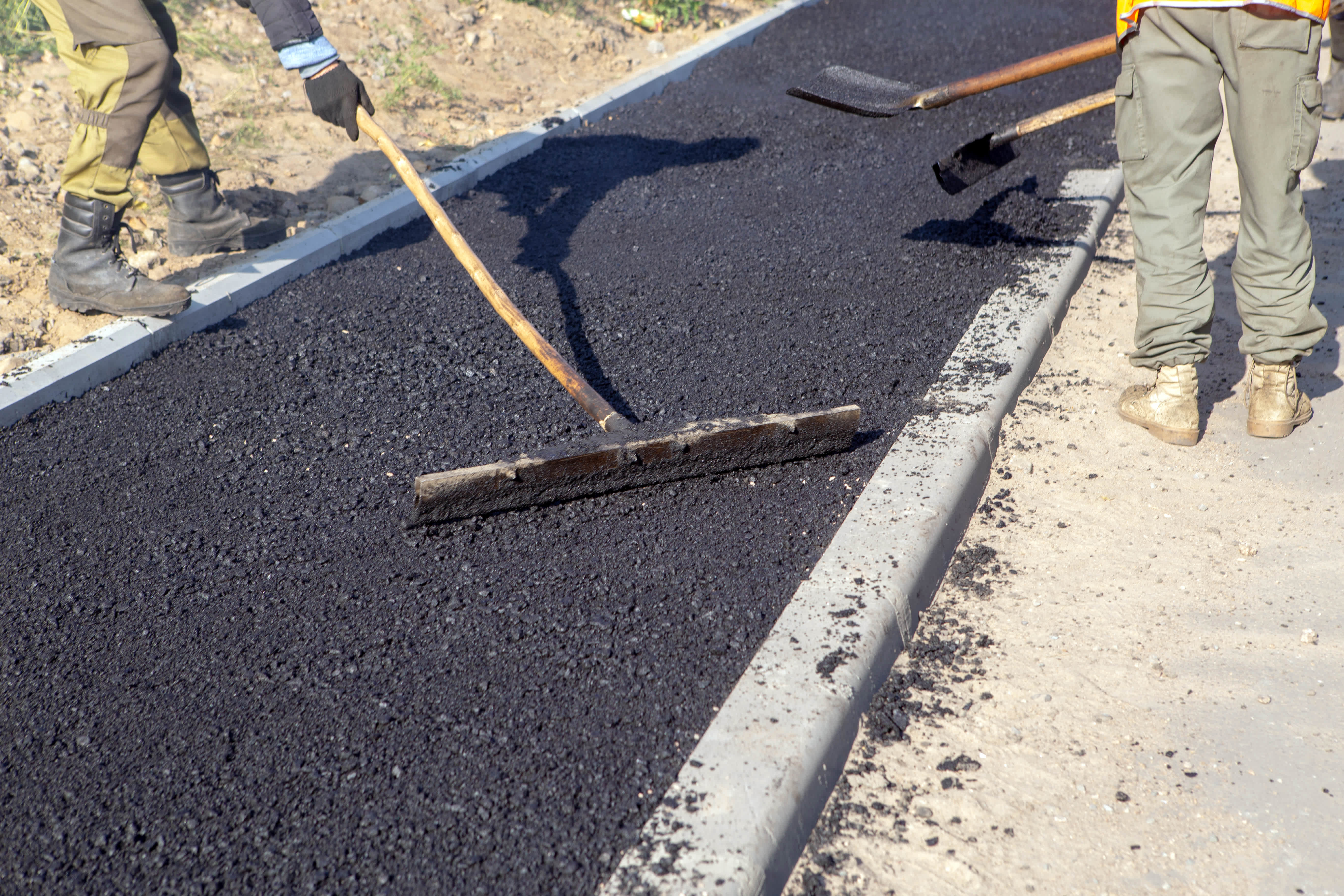
Asphalt paving offers several benefits, including cost-effectiveness and a quick installation process. It provides a durable and smooth surface, making it ideal for high-traffic areas. With proper maintenance, asphalt also offers longevity.
Heated driveways cost an average of $12 to $25 per square foot. Depending on the size of your driveway, you may pay between $3,500 to $25,000 in total. Several factors can affect your bottom line, including material, labor, and system types. Investing in a heated driveway can save on snow removal costs because it will automatically melt the snow that falls on your driveway.
The Lemmon, SD homeowners’ guide to paving services
From average costs to expert advice, get all the answers you need to get your job done.
The cost of a tar and chip driveway falls between gravel and asphalt. Is this unique process the happy medium you've been looking for? Let's take a look.
Get proactive with marketing for your paving contractor business. Use these paving marketing ideas (ranked by budget and experience level) to grow your business, get more leads, and earn more money.