






Top-rated paving pros.

Get matched with top paving pros in Sioux Falls, SD

Enter your zip and get matched with up to 5 pros

Need a pro for your paving service project in Sioux Falls, SD?

Select your specific project to find the pro for you.

TRUSTED BY SIOUX FALLS, SD HOMEOWNERS

  • Average homeowner rating star icon4.8
    Average homeowner rating
  • Verified reviews icon17
    Verified paving services reviews

Find Paving pros in Sioux Falls

Avatar for Neighbors Landscaping, LLC
Neighbors Landscaping, LLC
New to Angi
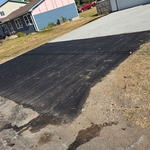
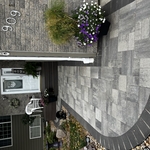
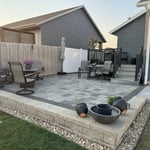
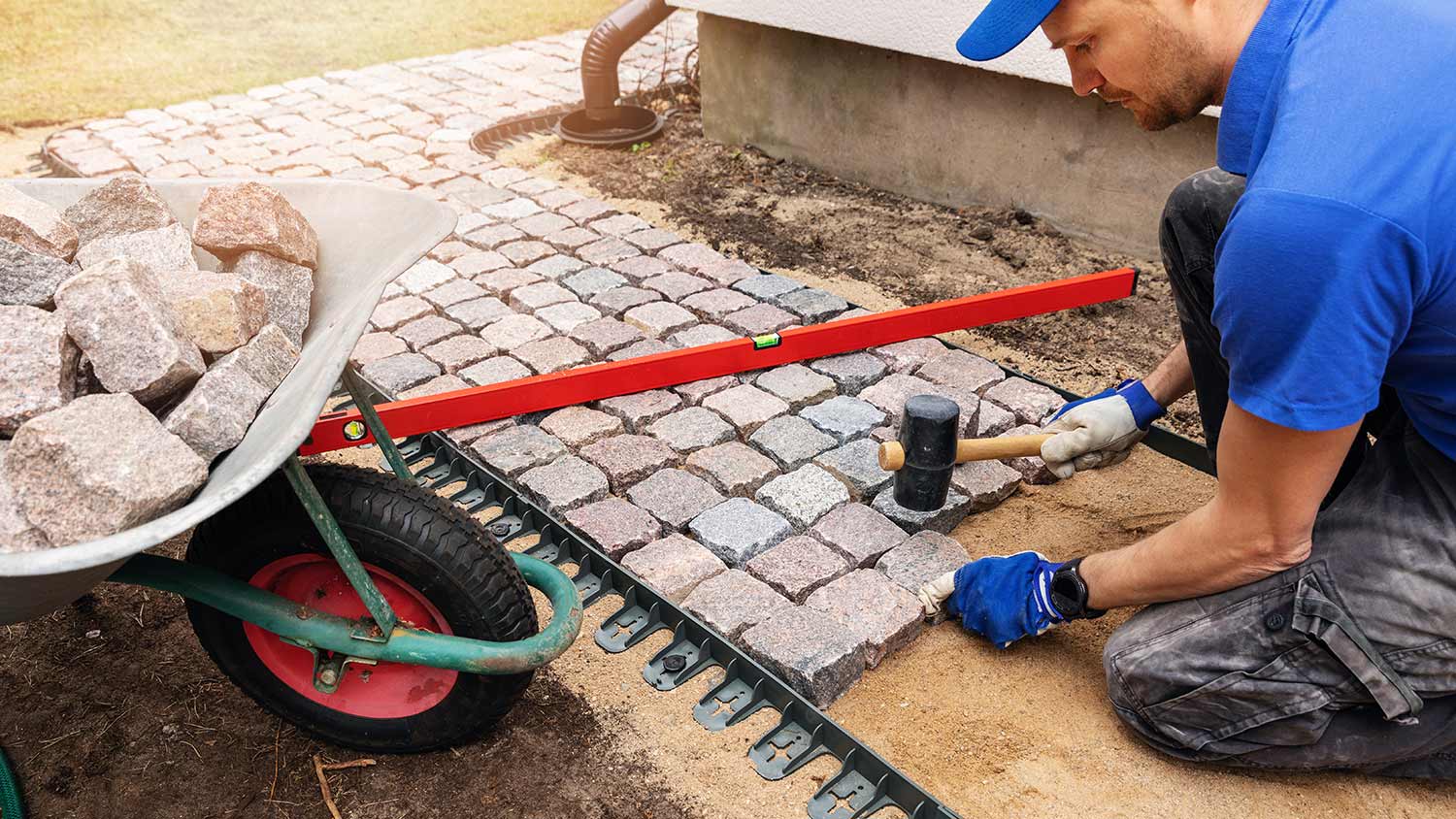
Interlocking Pavers for Patios, Walks & Steps - Install
Serving Sioux Falls, SD and surrounding areas

Approved

In business since 2019

Free estimates

Small jobs welcome

We pride our company on reliability, great communication, integrity, and quality work. We are experts in our trade and will do our best to keep you as educated as we can on your particular task or project. We look forward to earning your business!

Front Walkway
Flagstone Patio
Backyard Patio
6 neighbors recently requested a quote
Showing 1-10 of 24
Paving Services questions, answered by experts
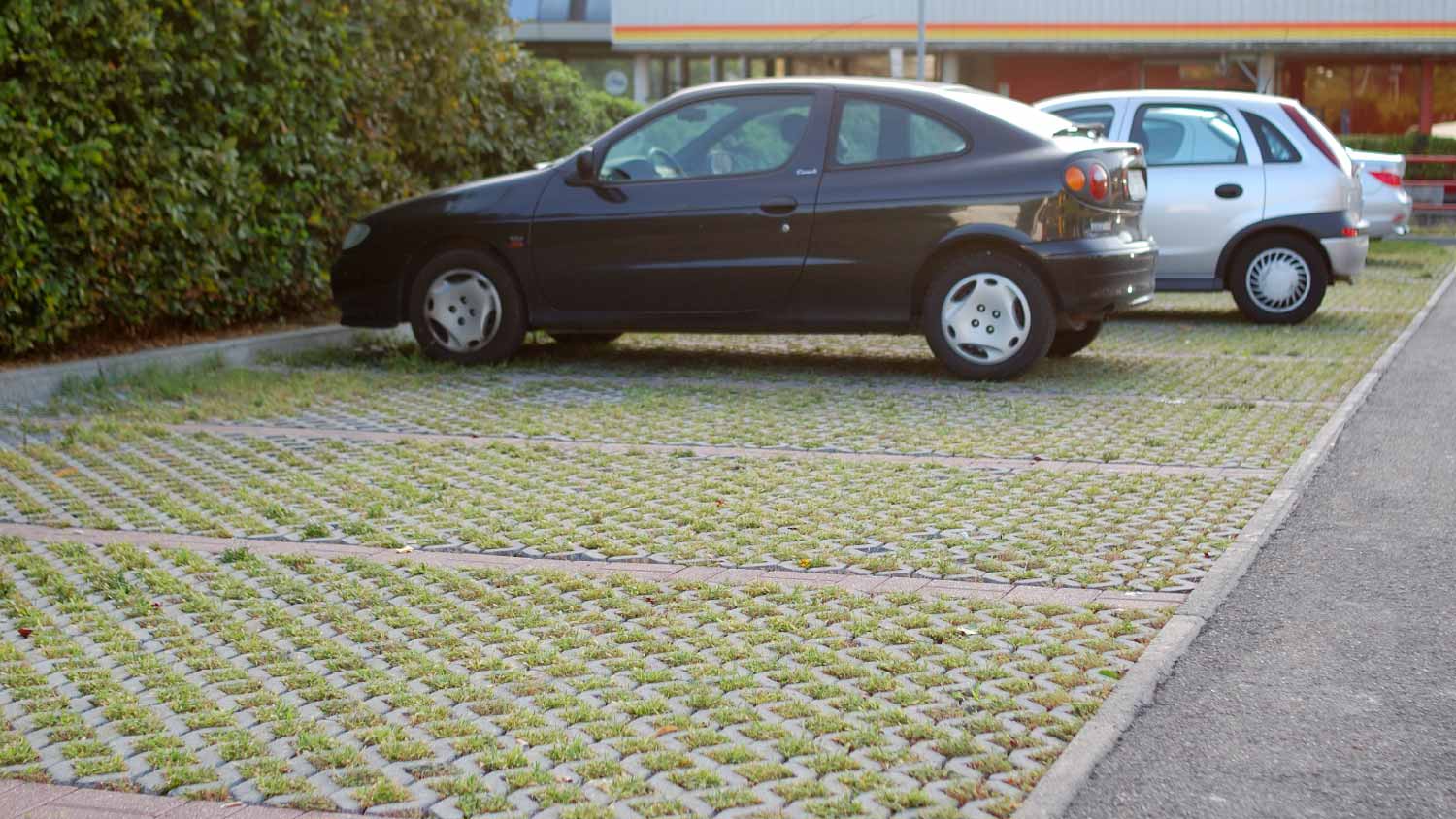
Pavers are a type of permeable hardscape that can be used for driveways, patios, walkways, and other landscaping features. Unlike poured concrete or asphalt, pavers typically have a layer of gravel underneath to prevent water runoff from damaging your property—though you can also lay pavers on grass. Because pavers are installed piece by piece, you can customize a one-of-a-kind hardscape that best suits your aesthetics, boosting your curb appeal along the way.

Quality pavers and correct installation handle temperature variations. Proper maintenance is crucial in severe climates to prevent issues like heaving.

Generally speaking, tiles are for indoor use, while pavers are for outdoor use. The main difference between travertine tiles and pavers is their thickness. Tiles are around 1/2 inch thick, and pavers are 1 1/4 inches to 2 inches thick.

Pavers are more rugged and can handle different weather. The extra thickness on pavers also makes them ideal for high-traffic areas.

The ideal distance between stepping stones depends on your design preference. A general rule is to place them about 24 inches apart from center to center to match an average person's stride. Another common approach is to leave about 6 inches of space between the edges of each stone; this can be adjusted to fit the path's total length without cutting pavers. If you plan to plant between the stones, leave at least 6 to 8 inches of space to give the plants room to grow.

Outdoor kitchens get wet and are sometimes next to pools. To avoid accidents, go with a non-slip material like concrete, brick, or rubber. Avoid materials like ceramic and porcelain, as they are known to be quite slippery. Wood and composite flooring can be slippery if untreated, so make sure to stain or finish these materials.

The Sioux Falls, SD homeowners’ guide to paving services

From average costs to expert advice, get all the answers you need to get your job done.