

Top-rated paving pros.

Best paving pros near Montrose, SD

Enter your zip and get matched with up to 5 pros

Need a pro for your paving service project in Montrose, SD?

Select your specific project to find the pro for you.

Top-Rated Paving pros in Montrose - Updated Nov 2026

Avatar for Neighbors Landscaping, LLC
Neighbors Landscaping, LLC
New to Angi
Interlocking Pavers for Patios, Walks & Steps - Install

Serving Montrose, SD and surrounding areas

Approved

In business since 2019

Free estimates

Small jobs welcome

We pride our company on reliability, great communication, integrity, and quality work. We are experts in our trade and will do our best to keep you as educated as we can on your particular task or project. We look forward to earning your business!

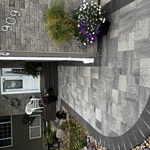
Front Walkway
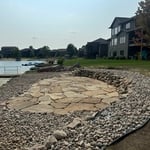
Flagstone Patio
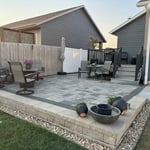
Backyard Patio
1 neighbors recently requested a quote
Avatar for Schneider Dirt Works
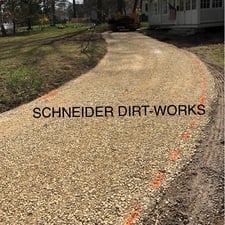
Schneider Dirt Works
New to Angi
Gravel or Loose Fill Paving - Install, Spread or Scrape

Serving Montrose, SD and surrounding areas

In business since 2020

Free estimates

Credit card accepted

We take great pride in our experience, expertise, quality and customer service that we provide to meet the consumers needs. It is our mission to provide excellent workmanship and complete customer satisfaction from start to completion of a project. In order to understand the needs and expectations of our customers, we take great care to work and communicate with every customer in a professional manner. Our reputation is based on service, safety and quality, regardless of how large or small the job.

Response time2 days
Showing 1-10 of 15
Paving Services FAQs, answered by experts

Your city or county will have guidelines about the minimum and maximum width and length of private roads. The average private road is 12 feet wide, and length, of course, depends on your property. Requirements also depend on the amount of traffic and types of vehicles your road experiences. Check with local ordinances before planning a road on your property.

Asphalt and tarmac are not the same thing. Traditional tarmac, short for tarmacadam, uses tar as a binder to hold crushed stone together. Asphalt uses bitumen—a byproduct of crude oil—to bind aggregate. Though tarmac was once a go-to for roads, asphalt has become the modern standard. And these days, most surfaces referred to as “tarmac” are actually asphalt. So, while the names may overlap, the key distinction lies in the binder—tar for tarmac and bitumen for asphalt.

When asphalt cures, it typically changes from a very dark black hue to a lighter, more matte gray color. Cured asphalt also won’t be tacky or sticky to the touch or emit any odors from the asphalt mix. Additionally, the surface of fully cured asphalt won’t deform under any pressure.

There’s no single best asphalt grade—it all comes down to where and how it’s used. Highways and heavy-traffic roads need something tough, like polymer-modified asphalt (PMA) or Stone Matrix Asphalt (SMA). Local roads and parking lots rely on the Performance Graded (PG) system, chosen based on climate. A PG 64-28 mix, for example, handles a broad temperature range while simpler, more cost-effective mixes are typically enough for residential driveways. The best grade of asphalt depends on traffic, weather, and your budget, which is why a professional’s input is always a smart move before making a decision.

Professionals restore the surface to a fresh, attractive finish by applying a new, even sealant layer.

The Montrose, SD homeowners’ guide to paving services

From average costs to expert advice, get all the answers you need to get your job done.