
Top-rated paving pros.

Get matched with top paving pros in Humboldt, SD

Enter your zip and get matched with up to 5 pros

Need a pro for your paving service project in Humboldt, SD?

Select your specific project to find the pro for you.

Find Paving pros in Humboldt

Avatar for TNT Tree Service
TNT Tree Service
5.0(
12
)
Gravel or Loose Fill Paving - Install, Spread or Scrape

Serving Humboldt, SD and surrounding areas

Approved

In business since 2025

Free estimates

"TNT tree removal was very friendly and professional. The service was very quick. They cut me a great deal and away the trees and removed the stumps. I like that I came home to a clean removal each day. I would recommend and use them again."
Bridgewater
Residential Tree Work
5 neighbors recently requested a quote
Avatar for Neighbors Landscaping, LLC
Neighbors Landscaping, LLC
New to Angi
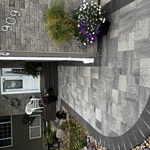
Interlocking Pavers for Patios, Walks & Steps - Install

Serving Humboldt, SD and surrounding areas

Approved

In business since 2019

Free estimates

Small jobs welcome

We pride our company on reliability, great communication, integrity, and quality work. We are experts in our trade and will do our best to keep you as educated as we can on your particular task or project. We look forward to earning your business!

Front Walkway
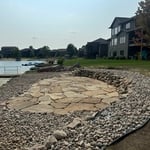
Flagstone Patio
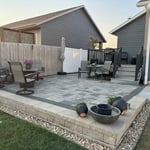
Backyard Patio
1 neighbors recently requested a quote
Showing 1-10 of 18
Paving Services questions, answered by experts

In most cases, driveway repair is worth the investment. Your driveway is one of the first things people see when they look at your home, so repairing cracks, chips, and potholes can improve your home’s curb appeal and overall value. Repairing your driveway is also almost always more affordable than replacing it entirely—an average of $1,765 compared to the cost of replacing a driveway, which typically costs around $5,000.

Asphalt and tarmac are not the same thing. Traditional tarmac, short for tarmacadam, uses tar as a binder to hold crushed stone together. Asphalt uses bitumen—a byproduct of crude oil—to bind aggregate. Though tarmac was once a go-to for roads, asphalt has become the modern standard. And these days, most surfaces referred to as “tarmac” are actually asphalt. So, while the names may overlap, the key distinction lies in the binder—tar for tarmac and bitumen for asphalt.

Three inches is a great thickness for a residential asphalt driveway that sees minimal to moderate traffic from cars, SUVs, and pickup trucks. However, a thicker driveway can better withstand the weight of a heavier vehicle, such as a trailer or a recreational vehicle. If you drive a heavy vehicle on a thin driveway, you risk cracking and damaging it.
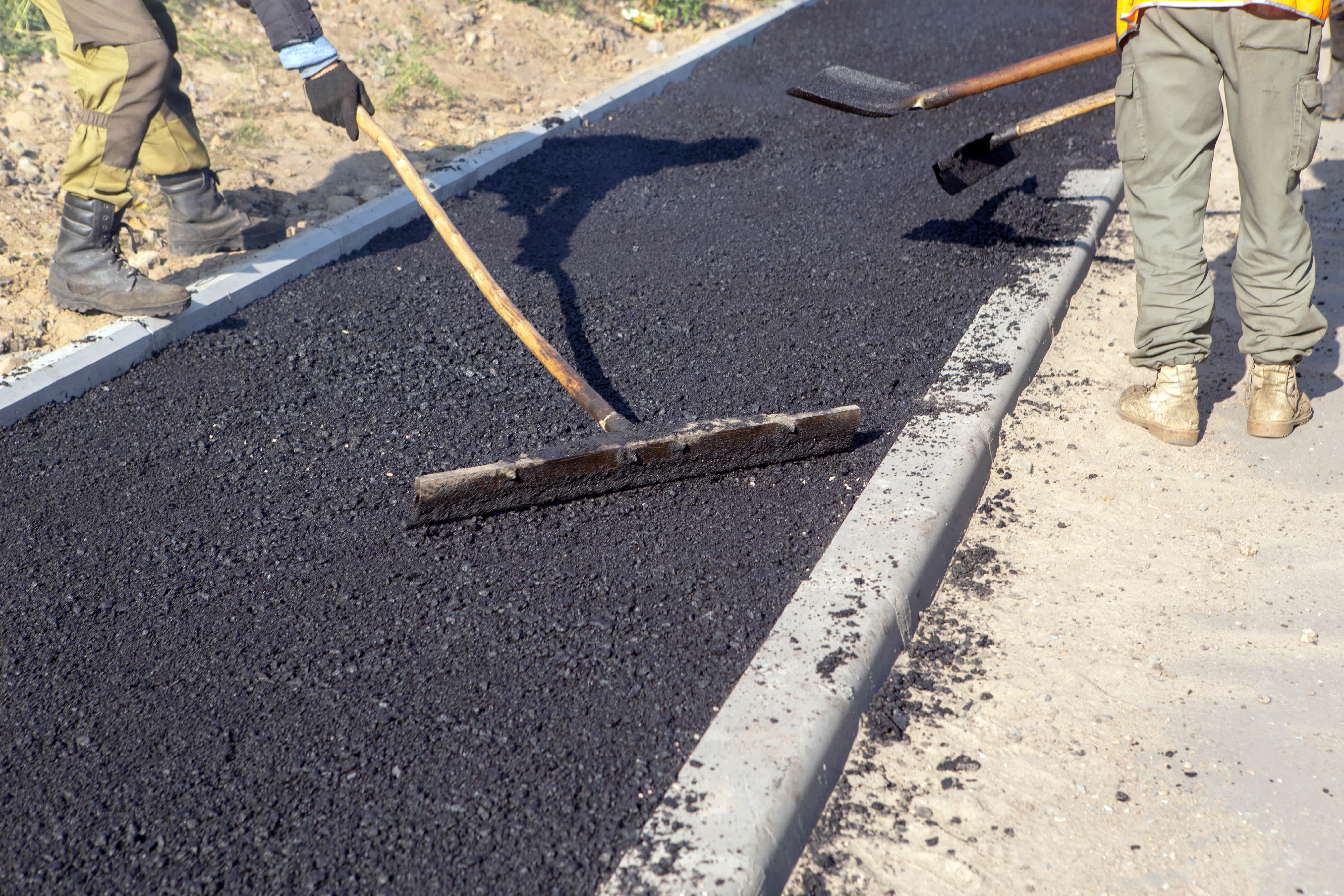
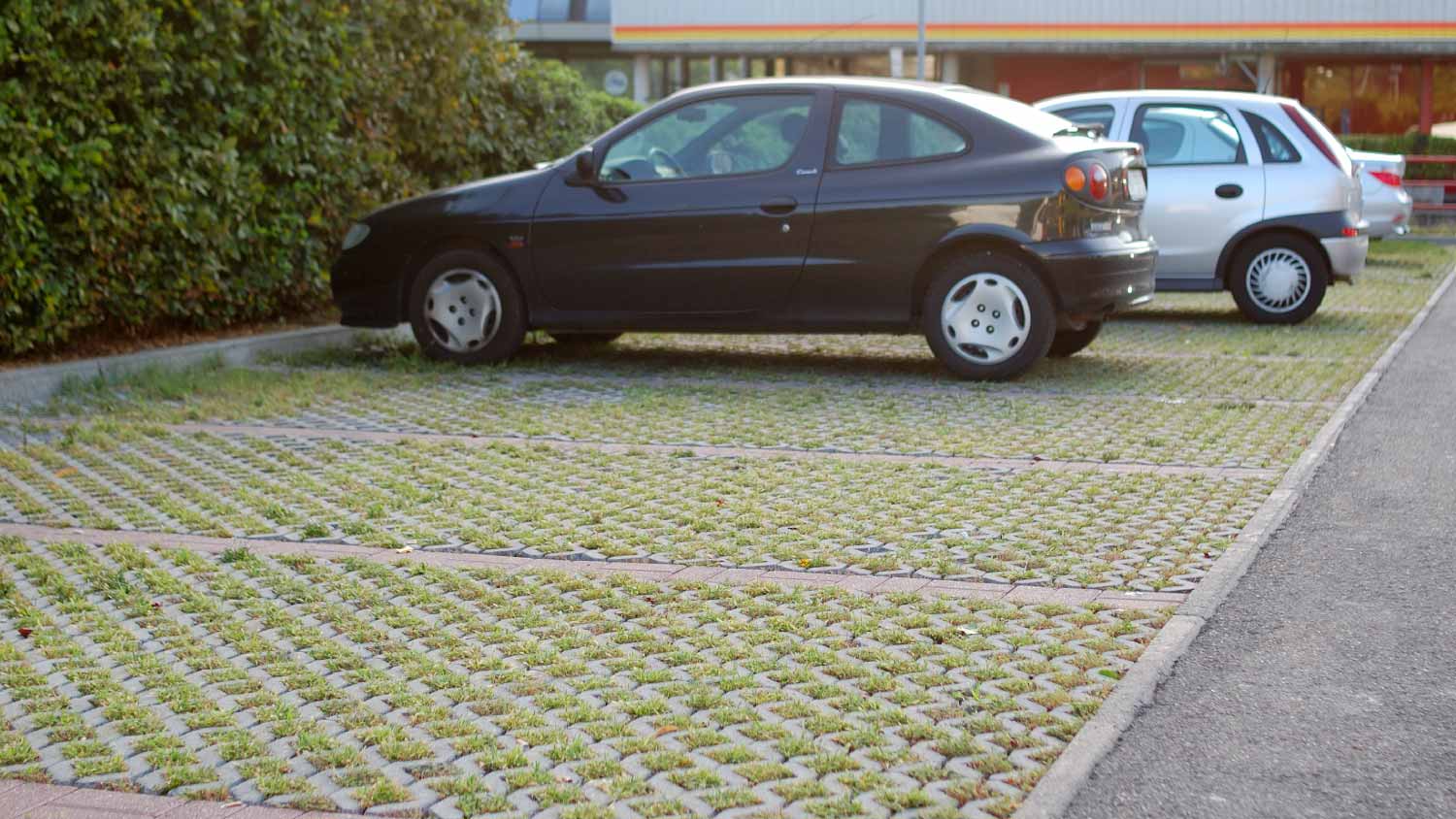
You can pour concrete over asphalt if it’s in good condition, thick, stable, and well-compacted. Concrete is more durable than asphalt and can extend the lifetime of your driveway without having to pay frequent asphalt driveway repair costs or replace it completely. 

But this is best reserved as a temporary solution based on budget restraints, as asphalt requires more frequent repairs and assessments than concrete. Once that concrete top is poured, it’ll be harder to accurately understand what’s happening beneath that layer, which could lead to more issues.

An ideal driveway gradient is between 2% and 5%. Anything lower than 1% or higher than 15% can cause problems for your car or property. A driveway with less than a 1% slope increases your likelihood of flooding and water damage, while a driveway with a 15% grade or higher can be too steep for safe traveling.

The Humboldt, SD homeowners’ guide to paving services

From average costs to expert advice, get all the answers you need to get your job done.