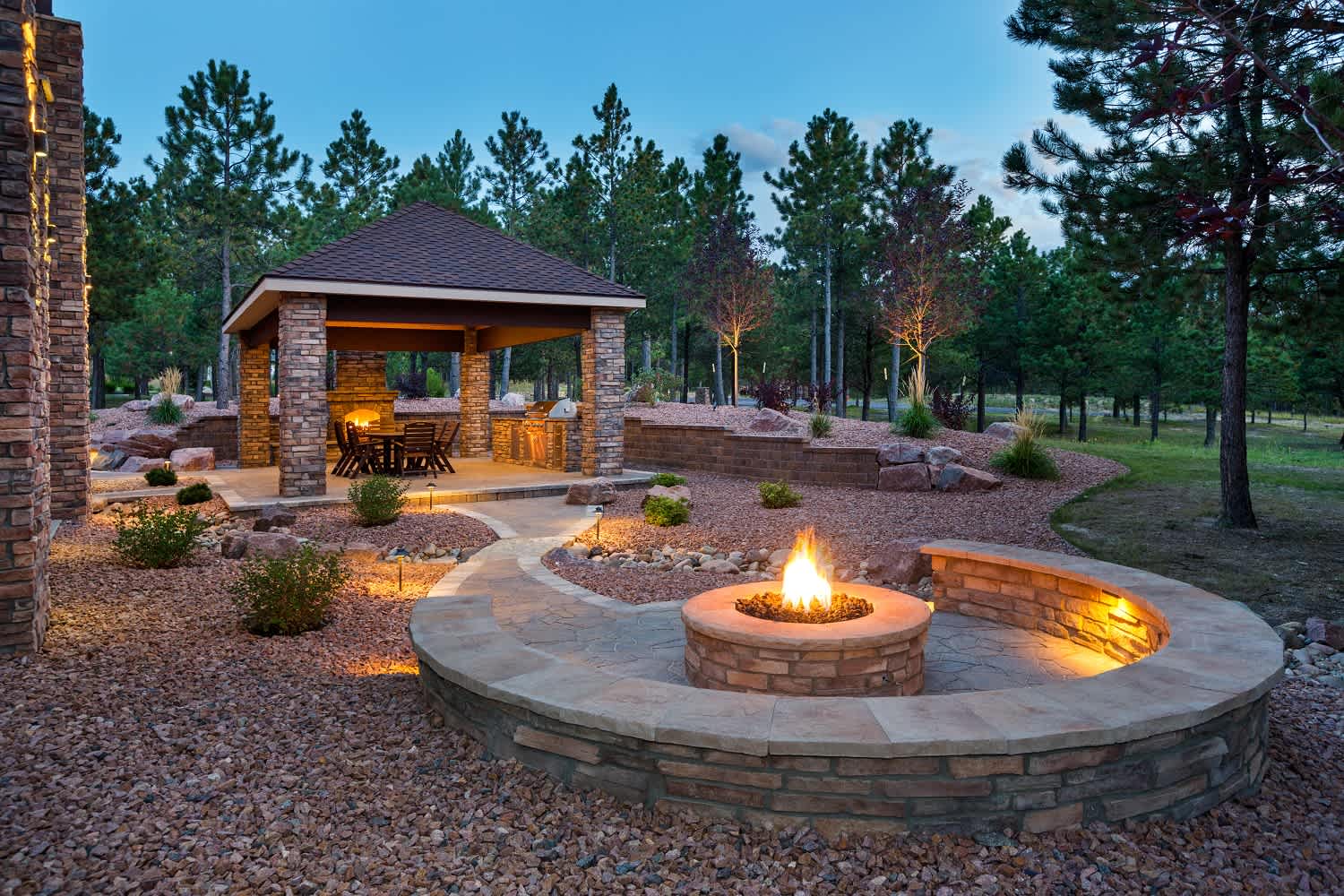




Top-rated fire pit installation pros.

Get matched with top fire pit installation pros in Sioux Falls, SD

Enter your zip and get matched with up to 5 pros

Need a pro for your fire pit installation project in Sioux Falls, SD?

Select your specific project to find the pro for you.

TRUSTED BY SIOUX FALLS, SD HOMEOWNERS

  • Average homeowner rating star icon4.2
    Average homeowner rating
  • Verified reviews icon127
    Verified fire pit installation services reviews

Find Fire pit installation pros in Sioux Falls

No results for Fire pit installation pro in

Try adjusting your search criteria.
Fire Pit Installation questions, answered by experts

While a hot fire can help heat up and loosen tar within your chimney, making it a recommended step before using a creosote log, it will not burn off significant existing buildup on its own. Attempting to remove built-up creosote with a hot fire is dangerous and can cause a chimney fire. For safe and effective removal of caked-on creosote, the best approach is to hire a professional chimney sweep.

Yes, an electrical fire can start even if nothing is plugged into an outlet. While a correctly functioning outlet poses no risk, a fire can be caused by faulty wiring, damaged outlet components, an overloaded circuit, or other electrical problems hidden behind the walls. If you suspect a fault, immediately turn off the circuit breaker and contact a professional electrician to diagnose and repair the issue.

No material is genuinely fireproof, so there’s no genuinely fireproof safe. Any material would break down if exposed to a hot enough temperature for long enough. That said, safes can withstand certain house fires. Manufacturers use the term “fireproof” synonymously with “fire resistant.”

You should have either an ABC or K-rated fire extinguisher in the kitchen. ABC fire extinguishers put out wood, trash, paper, plastic, and textile fires along with grease, oil, gas, kerosene, and electrical fires. A class K fire extinguisher is specifically rated for use in the kitchen and is designed to extinguish combustible cooking materials, including grease and fat. 

Generally, an oil furnace is considered safer than a gas furnace for several reasons. While both types of furnaces can produce carbon monoxide, a leak in an oil furnace is easier to detect due to the smell. Oil furnaces also don't connect to a gas pipeline, which reduces the chance of a fuel leak. Most importantly, heating oil is not combustible, whereas natural gas is highly flammable. This means there is a much lower risk of combustion or explosion with an oil furnace. However, an oil furnace can still pose a fire hazard if it tips over.

The Sioux Falls, SD homeowners’ guide to fire pit installation services

From average costs to expert advice, get all the answers you need to get your job done.