



Top-rated fire pit installation pros.

Get matched with top fire pit installation pros in Parker, SD

Enter your zip and get matched with up to 5 pros

Need a pro for your fire pit installation project in Parker, SD?

Select your specific project to find the pro for you.

Find Fire pit installation pros in Parker

Nick griffith
New to Angi
Handyman for Multiple Small Projects

Serving Parker, SD and surrounding areas

Approved

Spent 20 years in the construction industry as well as many years in the retail industry building and assembly anything from simple side tables to complex entertainment systems carry all the skills to have equipment to handle finish work as well as Sheetrock repairs and painting also specialize in lawn irrigation systems from install to repair to maintenance and winter blow out
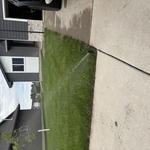
Sprinkler service
Sprinkler service
1 neighbors recently requested a quote
Avatar for R & C Home Repair
R & C Home Repair
4.9(
4
)
Handyman for Multiple Small Projects

Serving Parker, SD and surrounding areas

In business since 2024

Free estimates

Offers commercial services

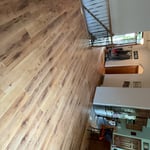
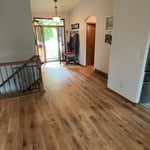
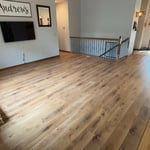
"The R and C team did a great job on my flooring project. The bid was much lower than the final expense but the job was tricky and much unknown until farther into it. No complaints with the service, execution or final expense. The team was very friendly and communicative."
Response time1 day
Response rate95%
Recommended by100%of homeowners
...
Showing 1-10 of 62
Fire Pit Installation questions, answered by experts

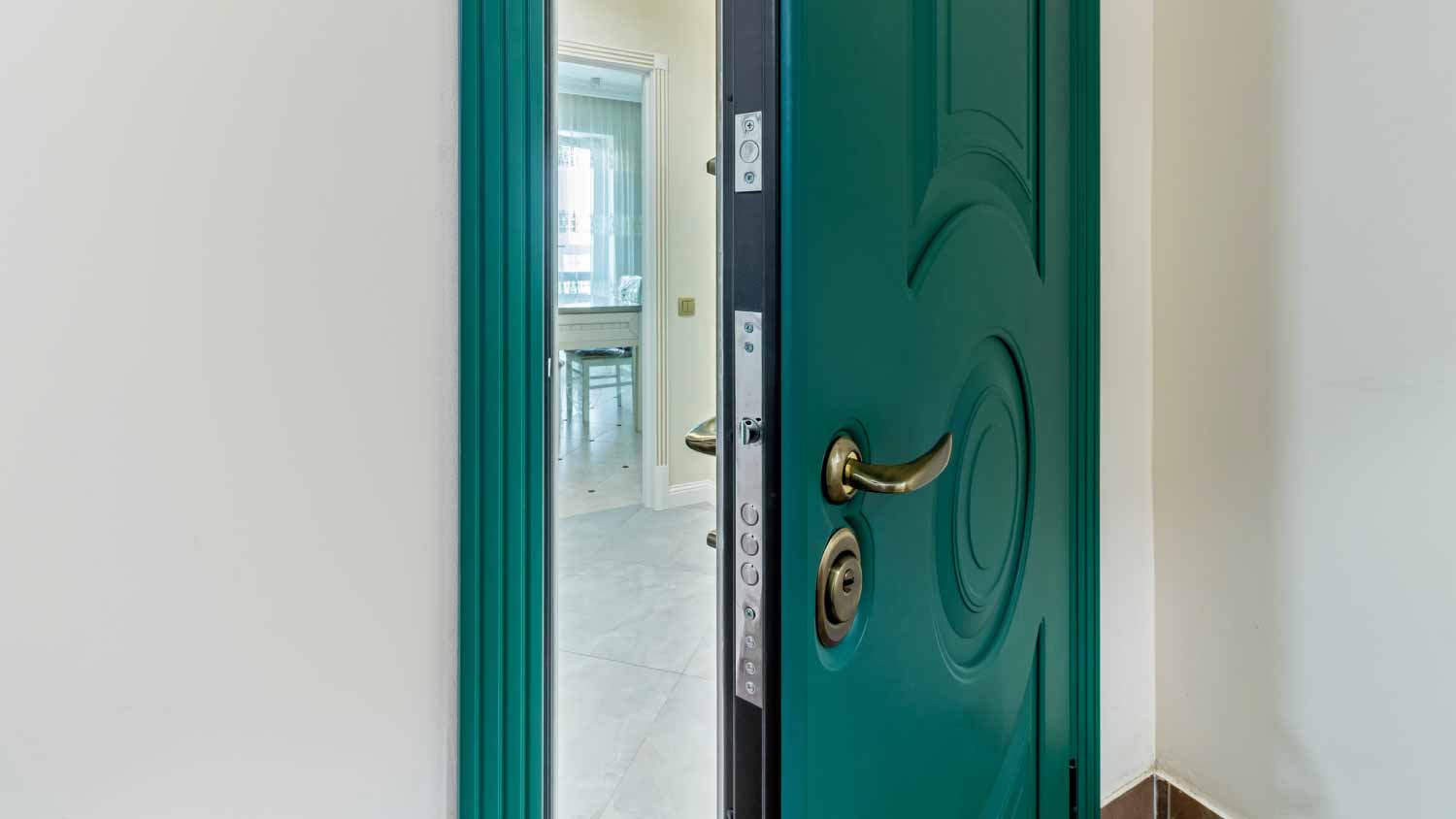
Start by checking the top or side edge of the door. Look for a certification label or metal tag stamped with details like the fire rating and information on the manufacturer. Even if it’s painted over, the tag should still be visible. Next, look along the edges for slim intumescent strips. They’re designed to swell up and seal gaps when exposed to heat. Finally, check if the door closes itself. Most fire doors have a self-closing mechanism, like an overhead closer or spring hinges. If none of these are obvious, contact a fire safety professional to help verify your door. 

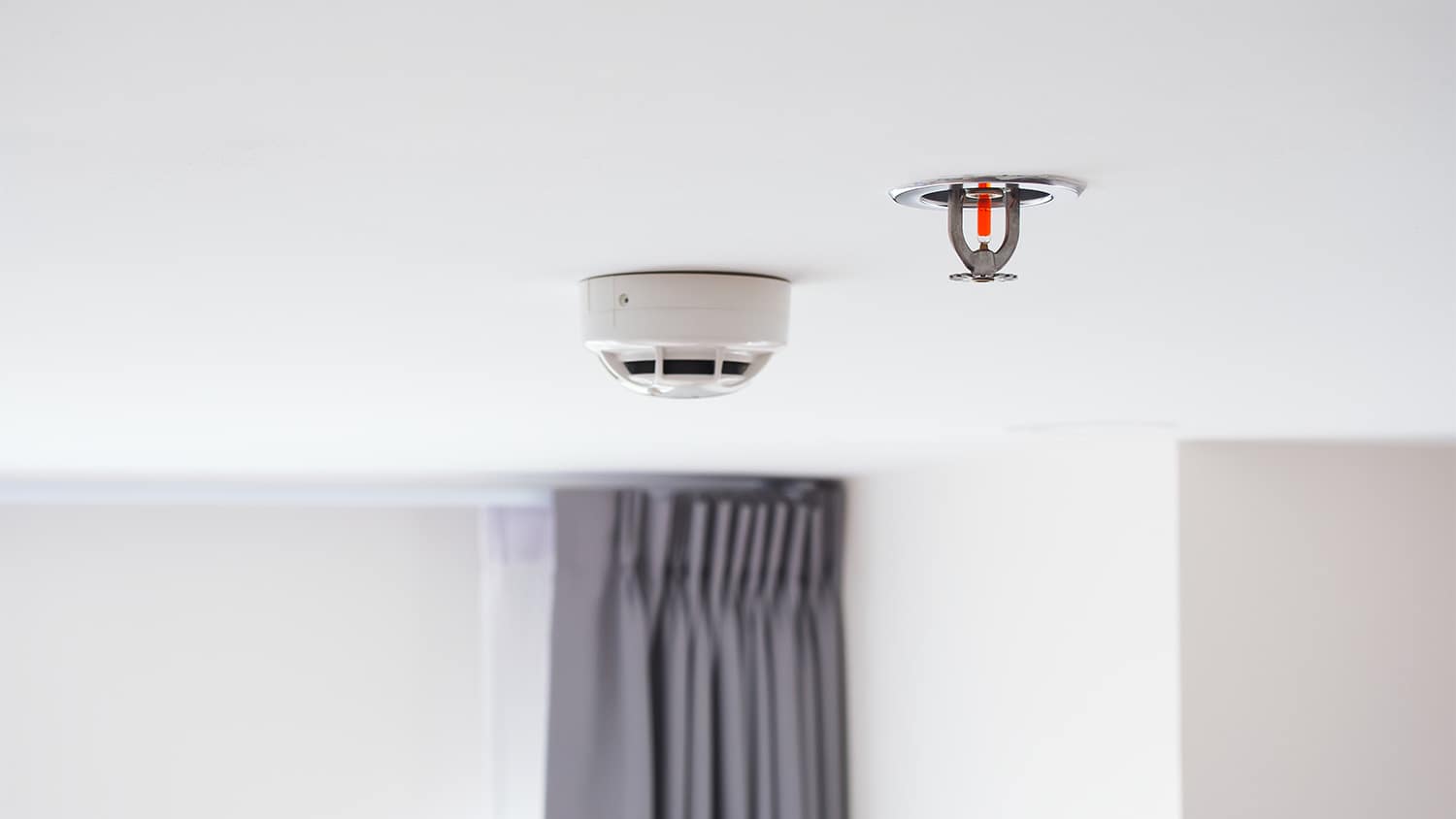
No, but they both serve distinct life-saving purposes. Smoke detectors primarily sense the presence of smoke, typically caused by a fire, and emit loud alarms to alert occupants to evacuate. In contrast, carbon monoxide detectors monitor the levels of carbon monoxide gas, an odorless and colorless but deadly substance produced by incomplete combustion of fuels. When CO levels become dangerous, CO detectors sound alarms to warn inhabitants of potential poisoning risks. 

To prevent carbon monoxide poisoning on a propane heater, make sure that your heater is suitable for indoor use. When you run the heater, it should always be in a well-ventilated area with proper air circulation. Installing carbon monoxide detectors on every level of your home is also essential. If you have any questions about using a heater indoors, contact a local heating and oil company for more information.

You might be able to turn a normal door into a fire-rated door, but you’re better off purchasing one that meets all NFPA 80 standards. If you want to DIY a normal door into a fire door, you’ll need a self-adhesive intumescent seal, metal hinges, fire-resistant glazing, and a self-closing device, but you’re always better off buying a certified fire door.

While your forced heating system runs, it can pick up dirt, dust, hair, and other particles from inside your house. Changing your furnace filters regularly is key to preventing this debris from getting stuck in your ducts and swirling around your home. With some types of furnaces, there’s also the potential for carbon monoxide leaks. However, staying up-to-date with your HVAC inspections and installing carbon monoxide sensors can help mitigate this risk.

The Parker, SD homeowners’ guide to fire pit installation services

From average costs to expert advice, get all the answers you need to get your job done.