"Large amount of work was needed, and job is about 80% complete. Hard workers that want to do a great job. Very courteous and professional when discussing details. They were willing to rent special equipment to get the work finished."
David Ferguson's construction business is dedicated to quality and outstanding customer service. Our job is to provide you with quality service at a great price. Please don't wait call us today.
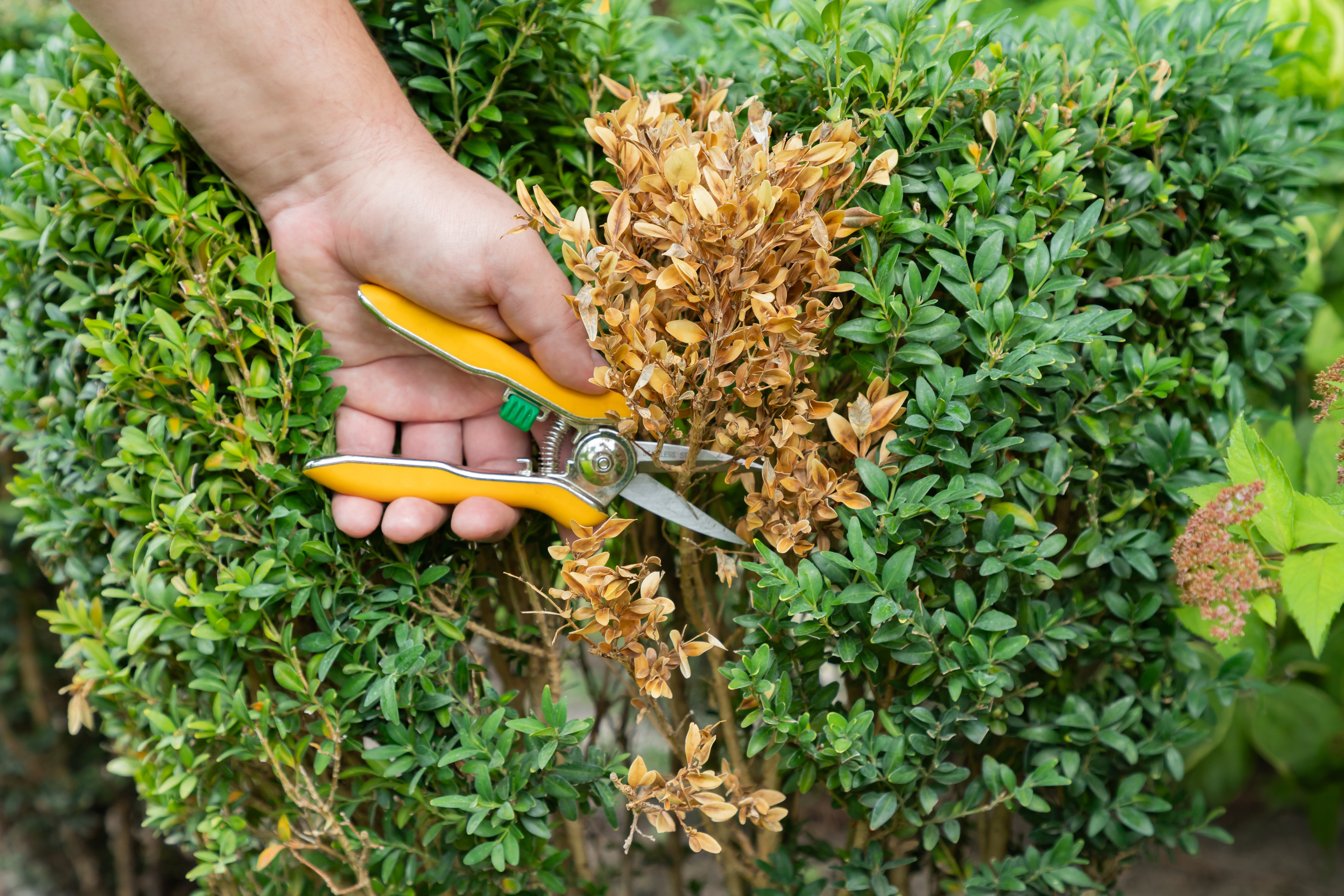
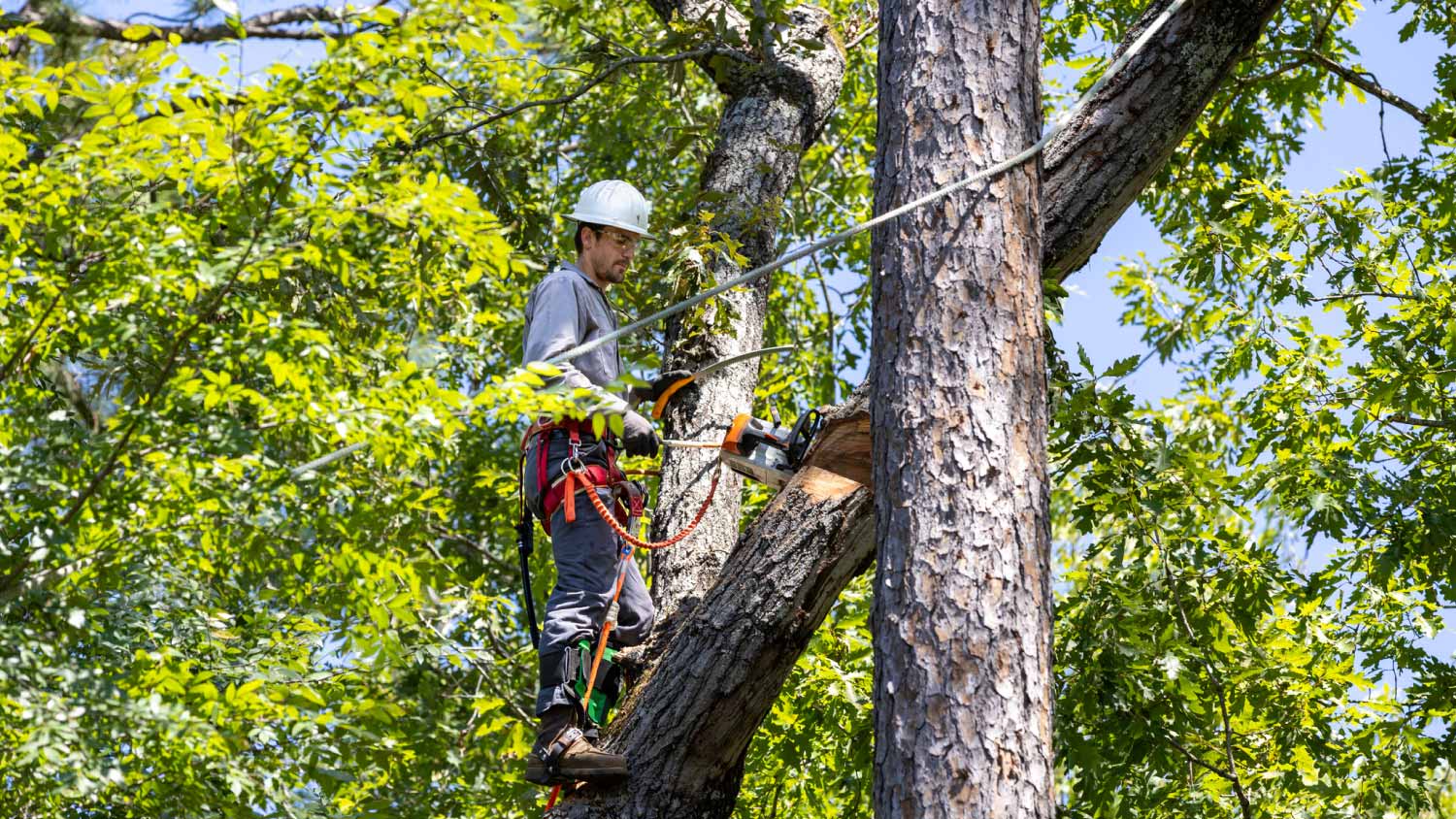
Generally, you’ll want to avoid pruning more than 25% of the tree’s canopy at one time. While pruning your tree is important, it’s possible to do it too often or to go too far. Again, this is why hiring a tree trimming pro to do the work is wise. However, if you do decide to DIY, going slow and trimming gradually is the name of the game.
Whether tree roots will continue to grow after a tree has been cut down depends on the species. Some tree roots will eventually die because they can no longer get nutrients through photosynthesis. However, other species that reproduce through root sprouts can continue to grow and produce new sprouts for seven years or more. For example, the roots of elms, ficus, and willows tend to regrow aggressively, while the roots of pines, oaks, and maples will typically die. To determine if a root system is still active, look for new sprouts on the old trunk, stump, or any exposed roots.
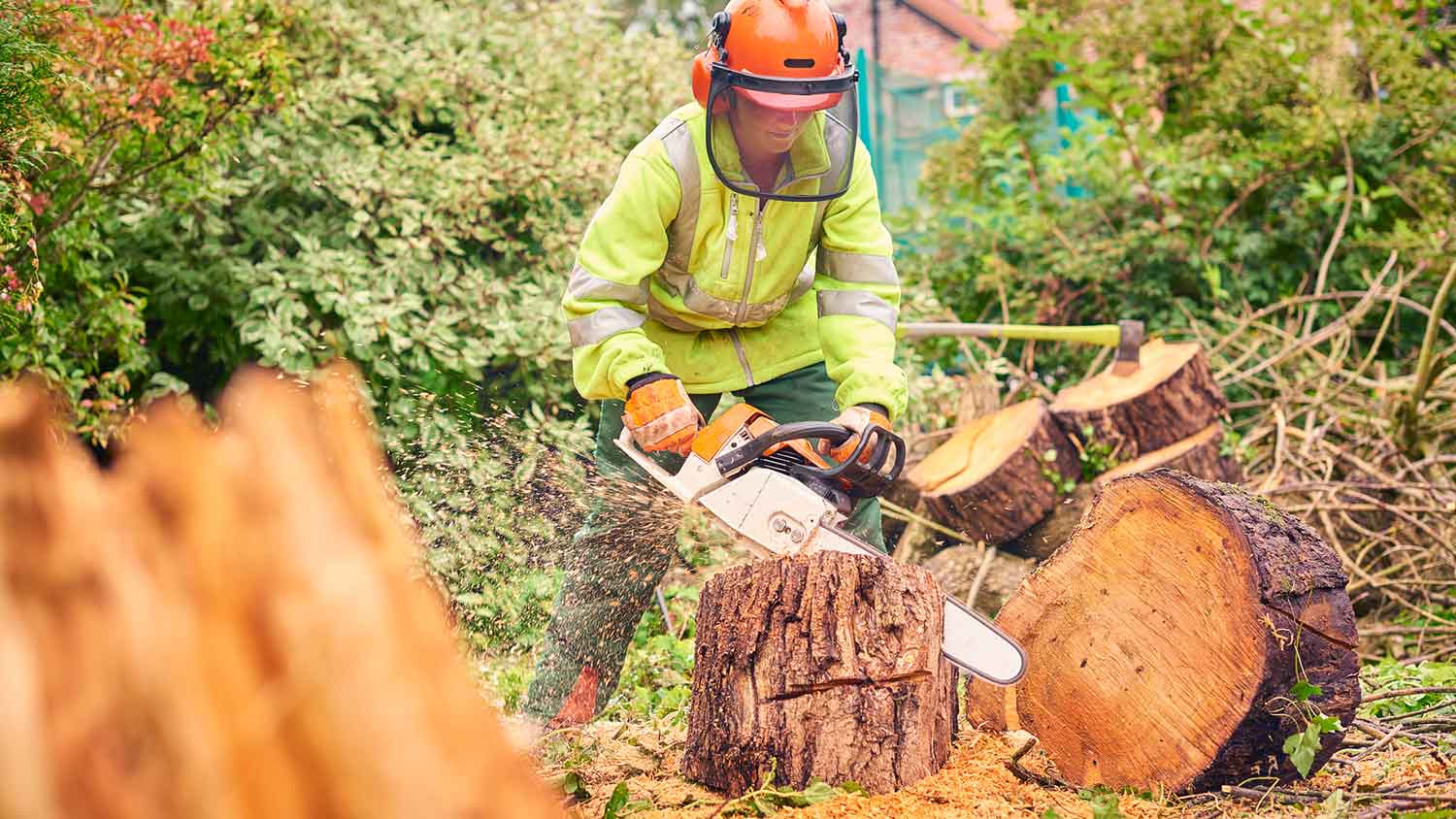
Leaving the tree stump and letting it rot is never a good idea, as this leads to insect infestations and other frustrations. Additionally, decomposing trunks are at risk for diseases that spread out to the remaining plants and trees in the yard, thus ruining your whole outdoor aesthetic. It's usually best to remove the stump at the same time you remove the tree.
In most cases, you should not use a pruning seal on trees after trimming. Applying a sealant can interfere with the tree's natural healing process, and it does not guarantee protection from pathogens. Instead of sealing the cut, the best practice is to support the tree's natural recovery by providing it with plenty of water and a dormant-style fertilizer. However, there are exceptions. Pruning seals may be recommended for very vulnerable species, like elm trees, in areas where dangerous diseases such as Dutch elm disease are prevalent. In these specific situations, the protection offered by a sealant can outweigh its downsides. For advice tailored to your situation, especially after cutting large branches, it is best to consult a local tree trimming professional.
Ivy eventually kills trees by restricting its growth, blocking sunlight, absorbing nutrients and water from the soil, and weakening the tree. Trees with ivy are more likely to experience diseases, pests, rot, and fungi growth. When ivy weighs down tree branches, the tree is more likely to break during a storm and cause damage.
The Parmelee, SD homeowners’ guide to arboricultural services
From average costs to expert advice, get all the answers you need to get your job done.
How much does an arborist cost? This guide explains the cost of different services, ongoing expenses, and other factors to consider when hiring an arborist.
Arborists are specialized tree care experts. This guide will help you hire an arborist with all the qualifications to give your trees the best care possible.