


Top-rated arborists.

Get matched with top arborists in Valentine, NE

Enter your zip and get matched with up to 5 pros

Need a pro for your arboricultural service project in Valentine, NE?

Select your specific project to find the pro for you.

Find Arborists in Valentine

Arborists questions, answered by experts

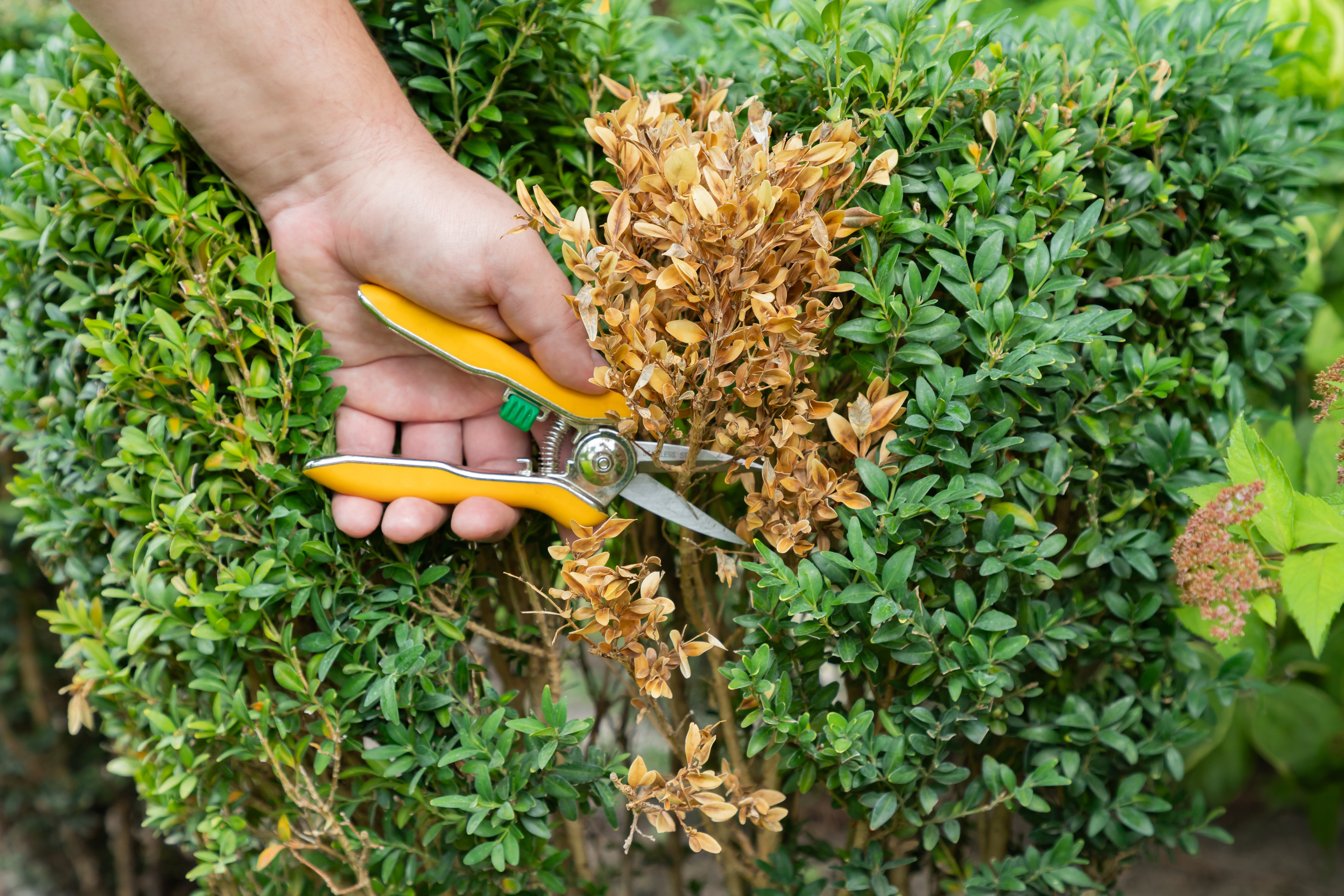
Trees should be pruned every two to five years, depending on its age and type. Young trees should be inspected and pruned every two to three years. Mature trees should be inspected and trimmed every three to five years, and fruit trees should be pruned annually with a careful eye on seasonal growth. Evergreens typically don’t need pruning, unless branches or limbs are damaged, diseased, or harboring pests.

Tree pruning is a common and helpful tree maintenance technique that involves carefully cutting and trimming unwanted branches so that the tree can continue to grow and thrive. Pruning is done carefully and intentionally. Tree topping is a frowned-upon method that involves removing and cutting most or the entirety of the top of the tree, including structurally important branches.

If an arborist is certified by the International Society of Arboriculture (ISA), the highest level of certification available is ISA Board Certified Master Arborist. According to the ISA, this credential is reserved for arborists “who have reached the pinnacle of their profession.” Check your arborist’s credentials before hiring to confirm their level of training and expertise.

Yes, cutting a tree's roots can cause it to fall, particularly if major support roots are severed. In extreme cases, trimming roots can affect the tree's structure and stability. Many crucial roots are located just below the soil's surface. If you make severe cuts to roots more than 2 inches in diameter, you risk impacting the tree's water flow and its ability to withstand severe winds or storms. Even cutting roots less than half an inch in diameter under or outside the tree's canopy can cut off its water supply, causing it to decline, die, and eventually topple.

It is possible to cut down a tree on your property yourself, but it is generally not recommended unless specific conditions are met. You should only consider this project if the tree is small (e.g., under 4-5 inches in diameter and short enough that you don't need a ladder to reach the branches), and you are experienced in handling a chainsaw. The tree must also be located far from any power lines, fences, homes, or other structures. Even for small trees, the work can be dangerous, and it's always advisable to have a spotter to ensure the tree falls correctly and no branches fall on you.

For any tree that is large, requires a ladder to access, or is near electrical lines or structures, you should always hire a professional. Attempting to remove a large tree yourself is extremely dangerous, poses a risk of serious injury, and could result in significant damage to your property.

Before any tree removal, it's also important to check your local and state regulations to ensure the tree is not historic or otherwise protected by your city.

The Valentine, NE homeowners’ guide to arboricultural services

From average costs to expert advice, get all the answers you need to get your job done.