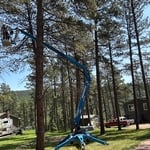
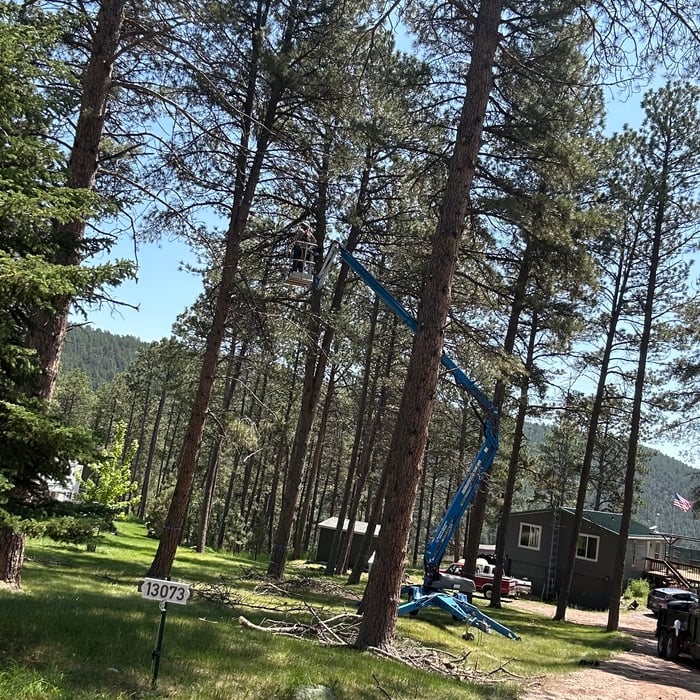
"Alex at Creekside Tree Care will make sure your project is taken care of in an efficient and professional manner no questions asked. He's got integrity and is as hard working as they come. No job too big or too small he will get it done and leave you happy with the results!"
"This is a contractor that will tell you the truth, even when it cost them the job. They recommended someone else that we better equipped for my specific project."
At Oak Leaf Construction & Handyman Services, we are a locally owned and operated company. We value honesty and integrity in all aspects of our business. We offer a variety of recovery services that are customizable to each individual project. We pride ourselves on the quality of our work as well as our commitment to outstanding results. We look forward to building lasting relationships with our clients and guarantee your satisfaction!
With years of experience in the industry, we are the experts you need to take care of your home or business. We handle all of your lawn care and landscaping needs with great care. We will treat your home as we would treat our own. Give A&L Landscaping a call today, we look forward to working with you!
Early signs that a tree is struggling include premature leaf shedding and lesions or other strange markings. Peeling bark, dead or rotten branches on the ground, and a conspicuous lack of leaves can all be signs that a tree has started to die. By the time a tree starts leaning, it’s usually too far gone to save.
The best time to prune Japanese flowering cherry trees depends on where you live and the type of flowering cherry tree. Some trees benefit from being pruned toward the end of winter or early spring, after the last freeze. Meanwhile, other trees do well after blooming, in late spring or early summer. Avoid pruning your flowering cherry tree in the early winter, as this encourages open wounds that can lead to infections or infestations.
The lifespan of a bird's nest depends on the species. The building process can take from two days to three weeks. Once built, the nesting period for baby birds can last from two to ten weeks before they leave the nest. While most young birds are ready in two to six weeks, some predatory species may need up to two and a half months. Some species nest four to five times per year, so a nest could remain in use for several months. For specific information about a particular nest's longevity, it is best to consult a wildlife professional.
Homeowners are usually not responsible for trees that fall on power lines. Power companies usually have utility easements around power lines, which give them the responsibility to maintain any trees within about 15 to 20 feet of the lines.
Yes, burning wood with Dutch elm disease is a safer way to dispose of it than, say, tossing it in with the rest of your yard waste, which could potentially allow it to spread to healthy trees. But it’s always a good idea to check with your local government to make sure you’re complying with any ordinances about removing diseased trees as well as burning brush piles.
The Wall, SD homeowners’ guide to arboricultural services
From average costs to expert advice, get all the answers you need to get your job done.
How much does an arborist cost? This guide explains the cost of different services, ongoing expenses, and other factors to consider when hiring an arborist.
Arborists are specialized tree care experts. This guide will help you hire an arborist with all the qualifications to give your trees the best care possible.