"Large amount of work was needed, and job is about 80% complete. Hard workers that want to do a great job. Very courteous and professional when discussing details. They were willing to rent special equipment to get the work finished."
David Ferguson's construction business is dedicated to quality and outstanding customer service. Our job is to provide you with quality service at a great price. Please don't wait call us today.
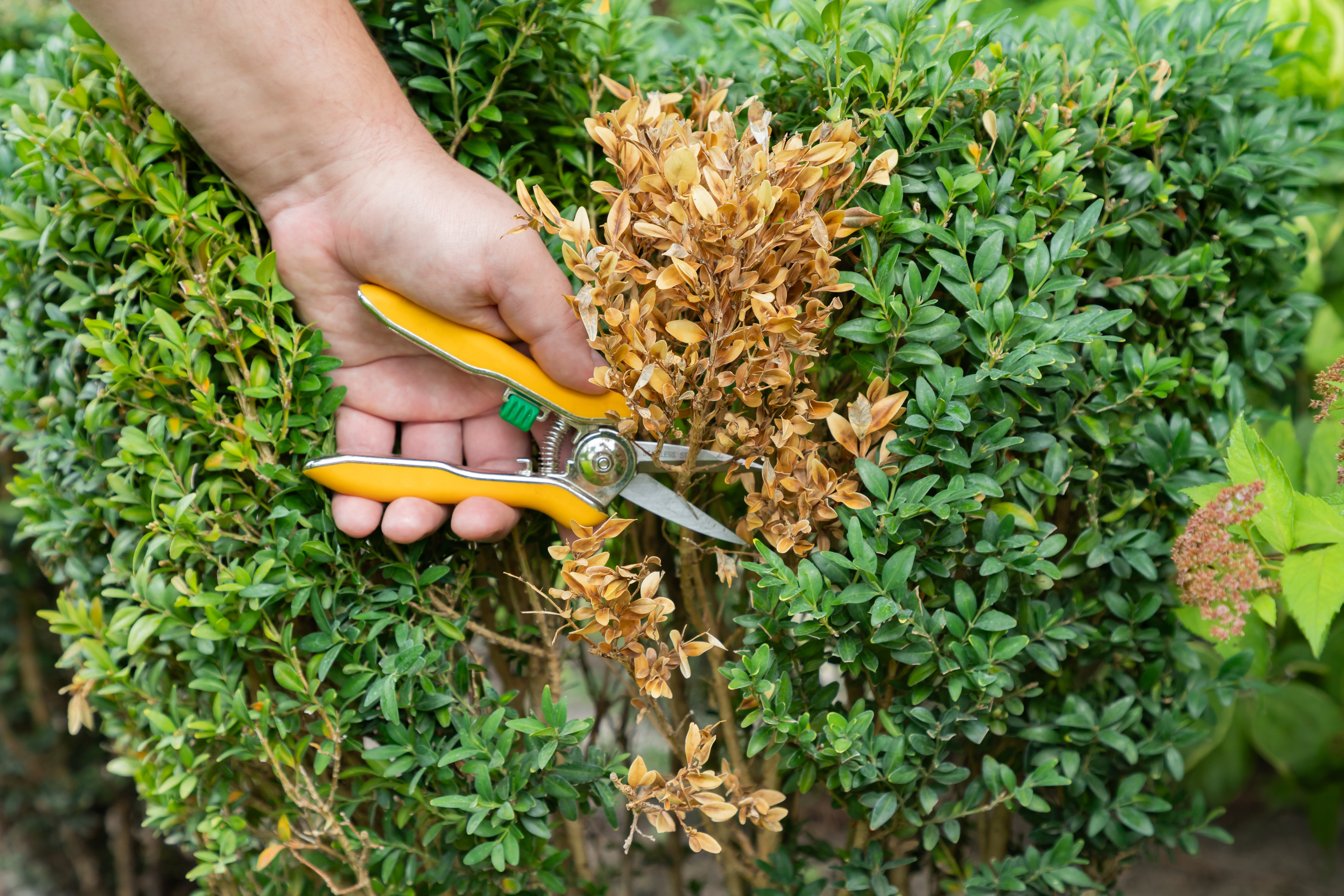
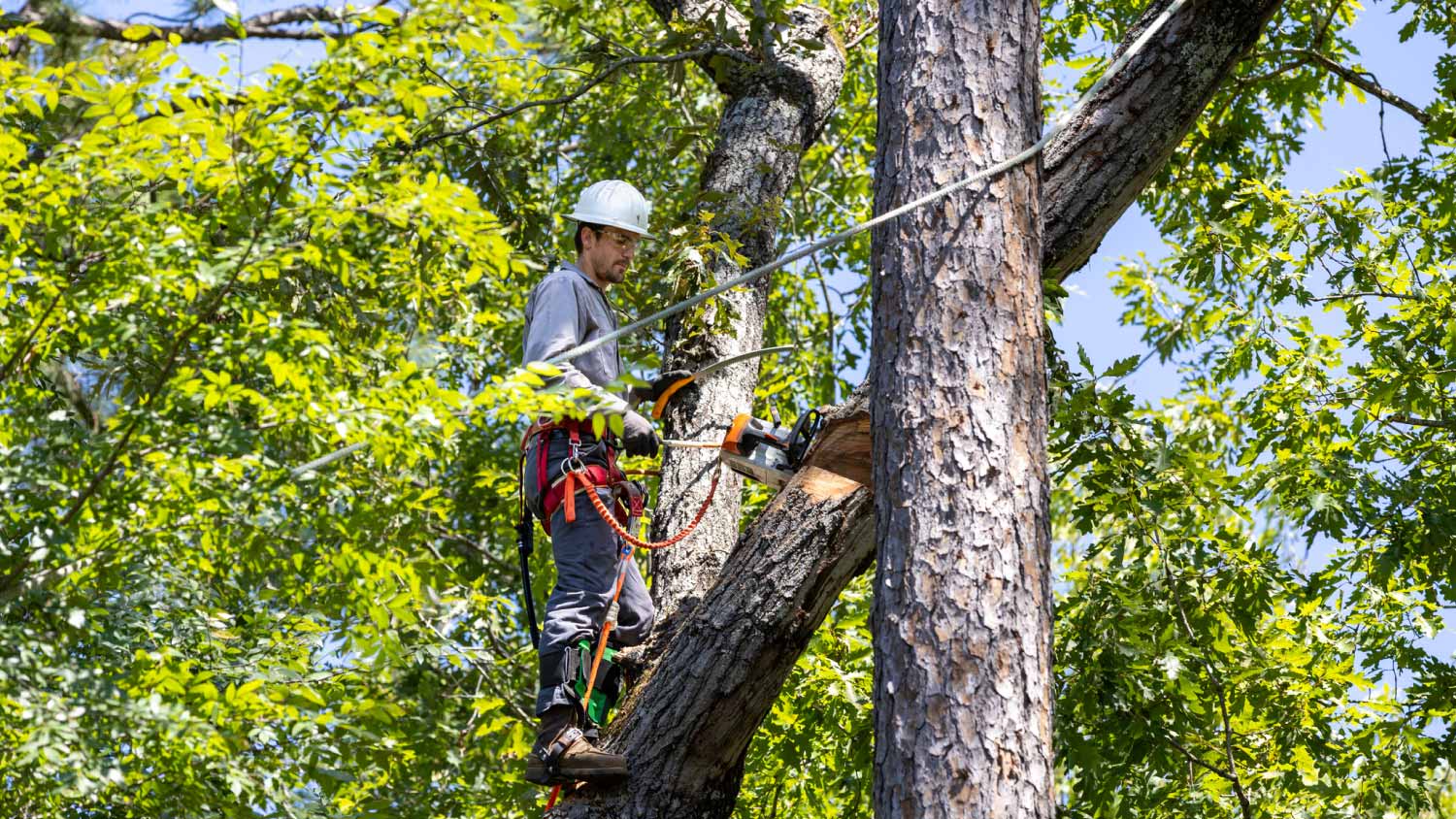
Professionals use assessments, strategic cuts, specialized equipment, and safety measures to ensure healthy growth or the safe removal of trees or shrubs.
It’s possible to transplant trees as tall as 50 feet when an experienced tree planting service uses the right equipment. However, a tree with a trunk larger than two or three inches in diameter needs to be handled by a professional in order to yield successful transplanting results. Consulting a tree planting professional is the best way to tell if your large tree can be safely transplanted.
Tree roots are hearty and complex systems, so they don’t die immediately after the rest of the tree is removed. If you leave the root system in place, it takes anywhere from two to seven years for it to run out of nutrients. It is worth noting, however, that the roots stop growing and expanding after cutting down the rest of the tree.
Hiring an arborist costs around $900 on average, with prices ranging from $250 to $2,500 or more. Some arborists charge an hourly rate, typically between $100 and $350 per hour. The final cost depends on several factors, including the type of work, the number of trees, accessibility, and whether you hire an independent arborist or a larger tree service company. When hiring, you should also consider their experience and insurance coverage.
Below are some estimated costs for common arborist jobs:
Small tree removal: $300 to $500
Large tree removal: $500 to $2,000 or more
Tree health assessment: $150
Trimming a small tree: $75 to $200
Trimming a large tree: $150 to $400
Dealing with invasive species: $150 to $1,000 or more
The average tree pruning should take one hour with the right equipment. Light pruning of a small tree may only take around 15 to 20 minutes. Pruning multiple large trees in your yard will probably take several hours, including cleanup. However, tree pruning pros can do this job much faster, so you can rely on pros if you’re short on time.
The Saint Francis, SD homeowners’ guide to arboricultural services
From average costs to expert advice, get all the answers you need to get your job done.
How much does an arborist cost? This guide explains the cost of different services, ongoing expenses, and other factors to consider when hiring an arborist.
Arborists are specialized tree care experts. This guide will help you hire an arborist with all the qualifications to give your trees the best care possible.