
Doorbell Installation questions, answered by experts
A radiant barrier is a form of insulation topped with a reflective material designed to keep homes cool during hotter months. It is generally considered worth the investment if you live in a hot, sunny climate, as the cost can be recouped over time through lower energy bills. Installation costs typically range from $0.10 to $1 per square foot. After installation, homeowners in warm climates may save between $7 and $15 per month, potentially reducing their electric bill by 5% to 10%. The exact savings will vary depending on your location and the type of barrier chosen.
While insulation is required for all exterior walls in a house, it is not typically required for interior walls. Local and state building codes mandate that new construction homes have adequate insulation in exterior walls and ceilings to suit the local climate.
However, there are several benefits to adding insulation to interior walls. It is excellent for sound-dampening between rooms and can help with temperature control by maintaining a regulated temperature in specific rooms and lowering heat transfer between adjacent areas. Insulating interior walls can also contribute to the overall energy efficiency of your home.
Unfaced wall insulation is easier to cut and install, making it the better choice for a DIY project. It’s also more affordable. But if it’s unfaced, you’ll likely need to add a vapor barrier to reach your desired R-value and efficiency, as it doesn’t offer any moisture barrier.
Faced insulation uses paper or foil to create a built-in barrier and doesn’t require an extra step. It’s also more fire-resistant and safe. But it’s quite a bit more expensive and a little bit harder to work with as a DIYer.
Upgrading insulation offers several benefits, including improved energy efficiency, which leads to lower heating and cooling costs. It also enhances indoor comfort by regulating temperature and can provide noise reduction. Additionally, better insulation has a reduced environmental impact and can increase your home's value and overall livability.
When it comes to fiberglass insulation versus foam board, there are a few notable differences, both aesthetically and functionally. Fiberglass insulation is soft and flexible, meaning it can be squeezed into tight spaces more easily than foam board. Fiberglass insulation also has a higher R-value, making it a better pick for colder climates. However, foam board insulation can resist moisture and pest damage much better than fiberglass.
The Oglala, SD homeowners’ guide to doorbell installation services
From average costs to expert advice, get all the answers you need to get your job done.
Ring a bell? From replacing a wired doorbell to setting up a smart home system, learn about typical doorbell installation costs, including materials and labor.
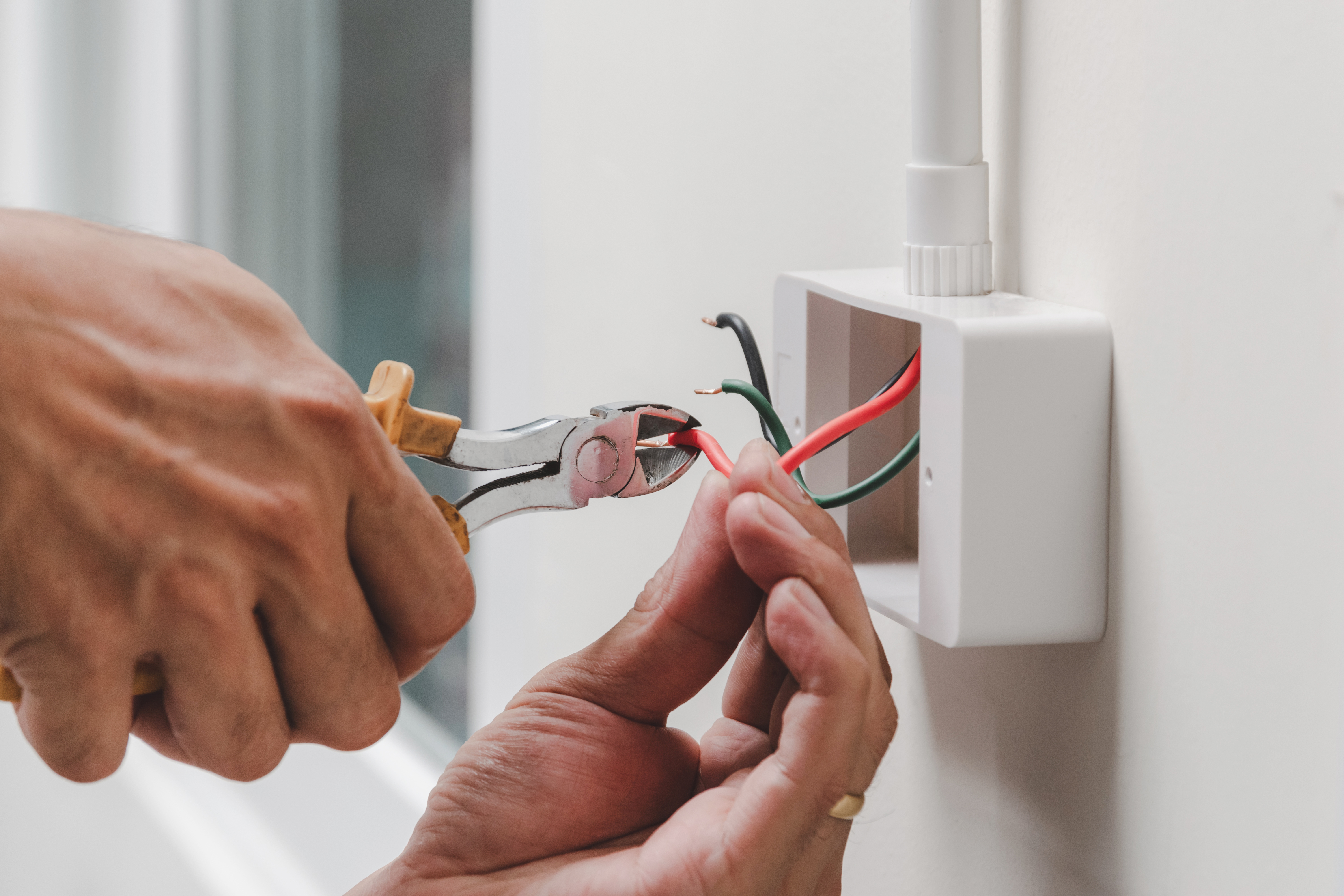
How much does it cost to install a doorbell camera? It depends on whether you plan to DIY or hire a pro. Learn about different models and their power sources, too.
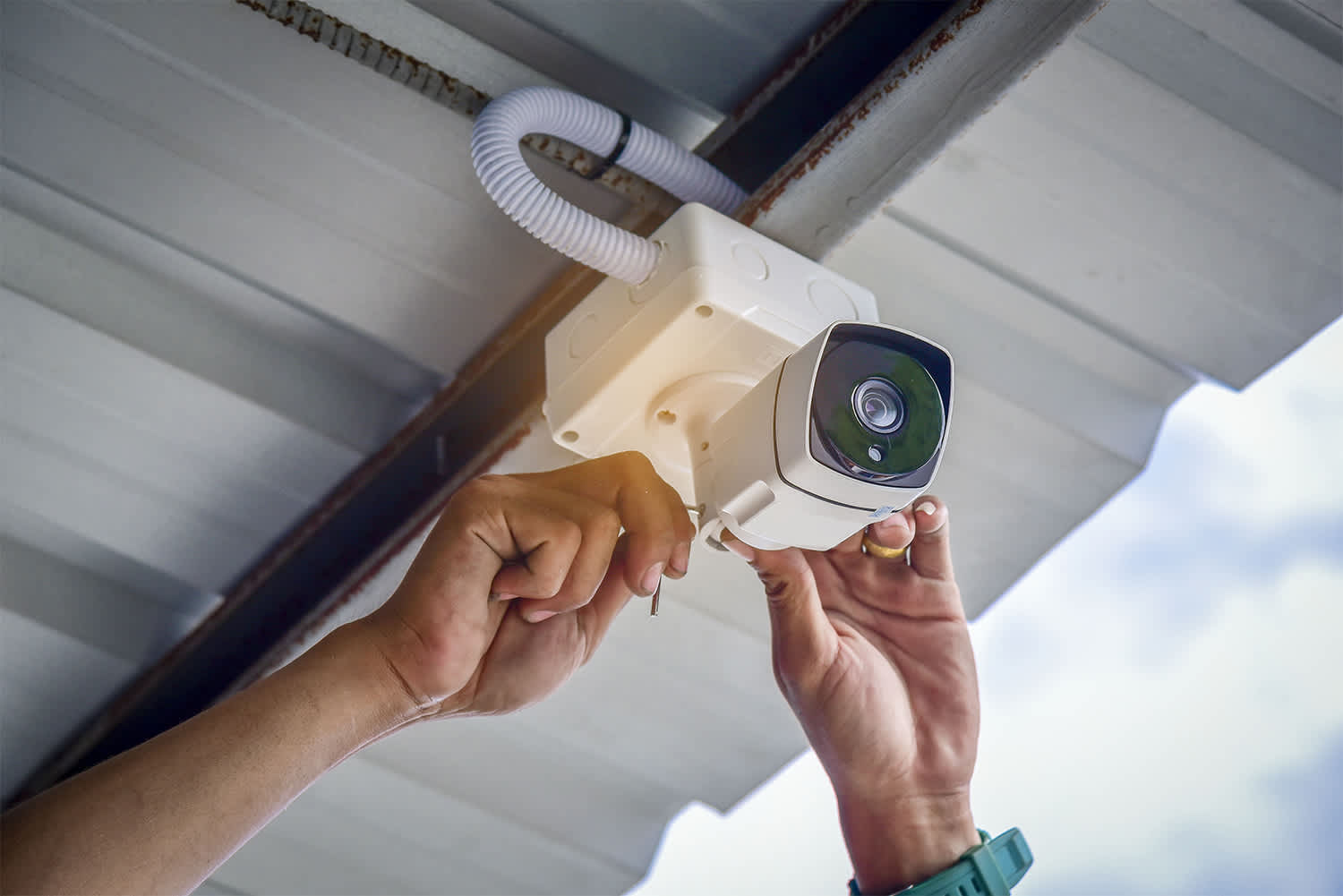
Doorbell wiring is a project you can DIY. This guide covers everything you need to know, from different types of doorbells to wiring, and how to remove an old doorbell.
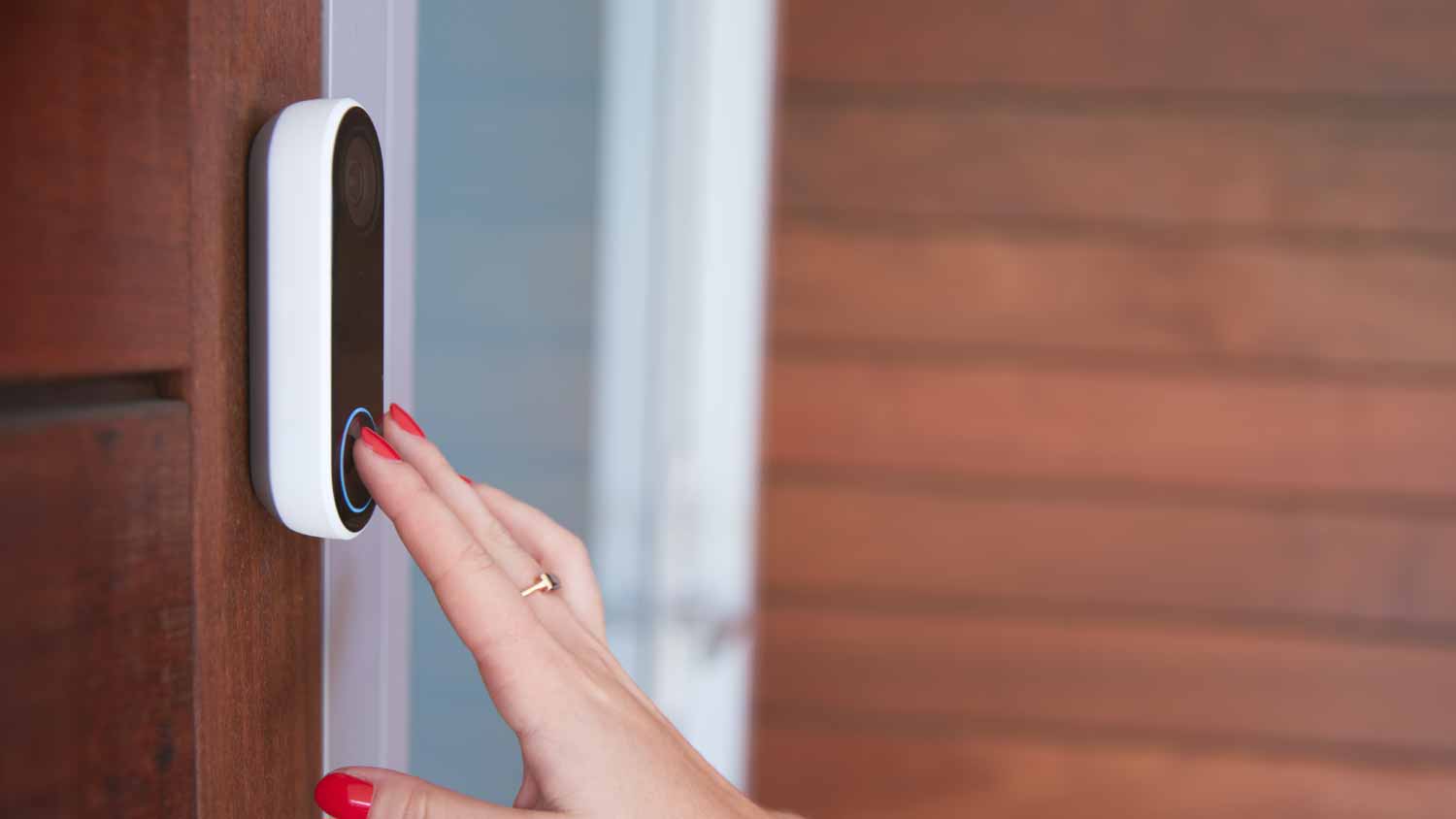
Ready to upgrade your front door and learn how to wire a doorbell? You may be able to handle this relatively simple DIY installation without an electrician.


