

•
Discover the average injection foam insulation cost, key price factors, and ways to save. Get transparent estimates to plan your home insulation project confidently.
Not all insulation is created equal

Foam board insulation versus fiberglass insulation differs in application, as foam board works better for exterior walls and basements while fiberglass suits your interior walls.
Fiberglass insulation costs around $0.90 per square foot while rigid foam board insulation averages $1.50 per square foot for materials.
Foam board insulation delivers a higher R-value of about 6.5 per inch compared to fiberglass insulation at 3.5 per inch, giving you better thermal resistance.
Hiring a local insulation company helps you choose the right material for each space and ensures proper installation without wasting expensive foam board.
When it’s time to fight back against high heating and cooling bills, adding insulation gives you better energy efficiency. When you’re standing in the hardware store and looking at your options, you may have to decide between fiberglass insulation and foam board insulation. Although the two materials have a significantly different appearance, picking the right one depends more on the planned use case than the look. Learn more about these two insulation options and when to use them.
The primary difference between fiberglass insulation versus foam board insulation is the places where you’ll use them. Fiberglass insulation works well in wall stud framing, unfinished floors, and unfinished ceilings, while foam board insulation works better for exterior walls, basement foundations, and crawl spaces.

Fiberglass insulation appears in rolls or batts of material. It has a soft, flexible design, making it easier to squeeze into wall framing. It often has a paper facing that makes it easier to handle.
| Pros | Cons |
|---|---|
| Lower cost | Itchy when handled |
| Average R-value | Can spark allergies |
| Easy installation | Moisture is a problem |
Best for:
Adding insulation while the framing is visible.
Those who need an inexpensive option.
Interior walls where moisture is not present.
Fiberglass insulation is easy to install. When comparing spray foam insulation versus fiberglass insulation, fiberglass is often easier to install yourself. However, if you want to install spray foam insulation, you’ll have to hire a pro who has the equipment to do the job safely and correctly.
Fiberglass insulation carries an average R-value compared to other types of insulation, meaning it does an adequate job of resisting the movement of air through it. However, its R-value of about 3.5 per inch of thickness is less effective than foam board insulation’s R-value of about 6.5 per inch of thickness.
Fiberglass insulation is one of the less expensive types of insulation, frequently averaging less than $1 per square foot of coverage.
One of the biggest disadvantages of fiberglass insulation is that it can irritate your skin. You’ll want to cover exposed skin and wear gloves and goggles. It collects dust and can spark allergies or breathing problems for people who are handling it without wearing a mask.
If you install fiberglass insulation in areas where moisture could be exposed, mold and mildew can grow. This happens because the fiberglass traps moisture in the loose material.

Foam board insulation is a rigid type of foam often sold in pieces measuring 4-by-8 feet. It’s available in thicknesses between 0.25 and 2 inches. It works well in areas where moisture may be a problem, such as a basement foundation wall.
| Pros | Cons |
|---|---|
| Resists moisture | Difficult to install |
| High R-value | Pricey material |
| Reduces noise | No fire resistance |
Best for:
Installing between foundation walls and drywall.
Using in areas where moisture may be a problem.
Those who need a very high thermal resistance value.
You can use foam board insulation in areas where moisture problems may exist. When you want insulation in a damp basement, attic, or crawl space, foam board wins the fiberglass insulation versus foam board comparison.
Foam board has one of the highest R-value measurements among all types of insulation. Fiberglass insulation’s R-value is significantly lower than what’s found with foam board.
If you need noise reduction as part of your insulation installation, foam board will block sound better than fiberglass insulation.
Foam board insulation is more difficult to install than rolls of fiberglass insulation. It often requires the use of a professional. The material is almost double the cost of fiberglass insulation, so you may want to hire a pro to ensure the job goes smoothly and that you don’t waste any of the foam board material.
Using foam board insulation on interior walls is less effective than using fiberglass insulation. Foam board is not fire resistant like fiberglass when used inside interior walls. You shouldn’t have moisture issues inside interior walls, so one of the foam board’s primary strengths doesn’t help in this area.
We put together a detailed comparison of fiberglass insulation versus foam board insulation and picked a winner for each category.
If you want the maximum R-value in your insulation, foam board outperforms nearly all kinds of insulation, including fiberglass.
When compared at similar thicknesses, fiberglass insulation offers roughly half the insulative properties—measured by the R-value—of foam board insulation.
Both fiberglass insulation and foam board insulation hide behind drywall or other wall materials, so appearance isn’t overly important with either insulation material.
Both fiberglass and rigid foam board insulation can last up to 100 years when you avoid damaging them. Fiberglass insulation can compress and rigid foam boards can break if placed under stress, though.
The cost of fiberglass insulation averages about $.90 per square foot of coverage, while rigid foam board insulation costs about $1.50 per square foot on average.
Rolls and batts of fiberglass have the perfect size and flexibility to fit inside the studs of a wall frame. They’re often available in widths of 15 or 23 inches to match common wall stud dimensions.
Foam boards need a professional installer, which increases their installation cost. To install foam board, the pro must glue it to the wall and seal the joints between boards before placing drywall over the top of it.
You may be able to do a fiberglass installation yourself, or you can hire a pro. If you decide to DIY the job, you will want to wear protective gear because fiberglass may make your skin itch or cause allergic reactions.
The insulation cost for an average-sized job is about $1,700 to hire a professional. You can call a local insulation installation professional to do this work and to advise you on the right material to use in each area of your home.
Maintenance of fiberglass insulation and foam board insulation is not necessary. Both types of insulation typically go behind drywall and don’t require maintenance.
Some types of rigid foam board insulation (including polyiso) consist of varying levels of recycled materials when manufactured. Fiberglass insulation consists of glass fibers, which come from sand. Although sand is a highly abundant material, fiberglass insulation doesn’t contain any recycled materials.
You may be able to recycle both fiberglass insulation and foam board insulation at the end of their life spans, although it can be tough to find local places to recycle these materials.
If you’re good people wanting to do business with good people, hire Matt. He is a consummate professional and utterly competent. He installed a water heater in my home at a price that beat competitors by hundreds of dollars with a promise to support the unit for its life (even after its 6 yr...
 Greene's Plumbing Services
I would recommend this company to anyone! He showed up on time, was friendly, completed a very difficult repair on our dryer vent cover, was responsive, and pricing was extremely fair and competitive. I would have him back to do any of our repairs or cleanings without hesitation!
 U.S.A. Dryer Vent, LLC
Best cleaning I've had at my property
I conferred with 2 other contractors before Armstrong Electric. Nick and his crew showed me that the project was not as convoluted as the other contractors made it appear to be. They completed the entire project on time. They were professional, friendly and cleaned up after at completion. I...
 ARMSTRONG ELECTRIC, LLC
Our exterior looks brand new thanks to Custom Paint Jobs LLC. Theyre the best in town!
 Custom Paint Jobs, LLC
Excellent experience with hiring Tether House to Mount our 77’ Samsung TV in our bedroom. Fast, friendly, and knowledgeable. Highly recommend.
 Tether House
The techs on my project, Shawn and Cliff, were great. They were prompt, courteous, and efficient. I am very happy with the results and would definitely contact Mr. Electric for any future electrical projects.
 Mr. Electric of Columbus
We had our houses windows and back door replace this summer by Window Depot USA of Central. He gave us grate advise and saved my family lots money. The team did a fantastic job with installation. If you need help, they sure get job done right!
 Window Depot USA of Central Ohio
Beginning with the estimate, Larry and Peyton were super helpful in getting my new condo's interior re-painted. Not only was the job well done, but also done in a super timely manner as promised.
 Five Star Painting of Plain City and Powell
Great job...edging and pre clean up went well with a great job with seal coat. Friendly, efficient and professional.
 All Star Paving and Sealing
From average costs to expert advice, get all the answers you need to get your job done.
Discover the average injection foam insulation cost, key price factors, and ways to save. Get transparent estimates to plan your home insulation project confidently.

Trying to calculate how much spray foam insulation costs? Our in-depth guide breaks down pricing by type, amount, and where you install it.

Spray foam insulation versus fiberglass—how do you choose? Compare the cost, durability, R-value, and more to pick the right one.
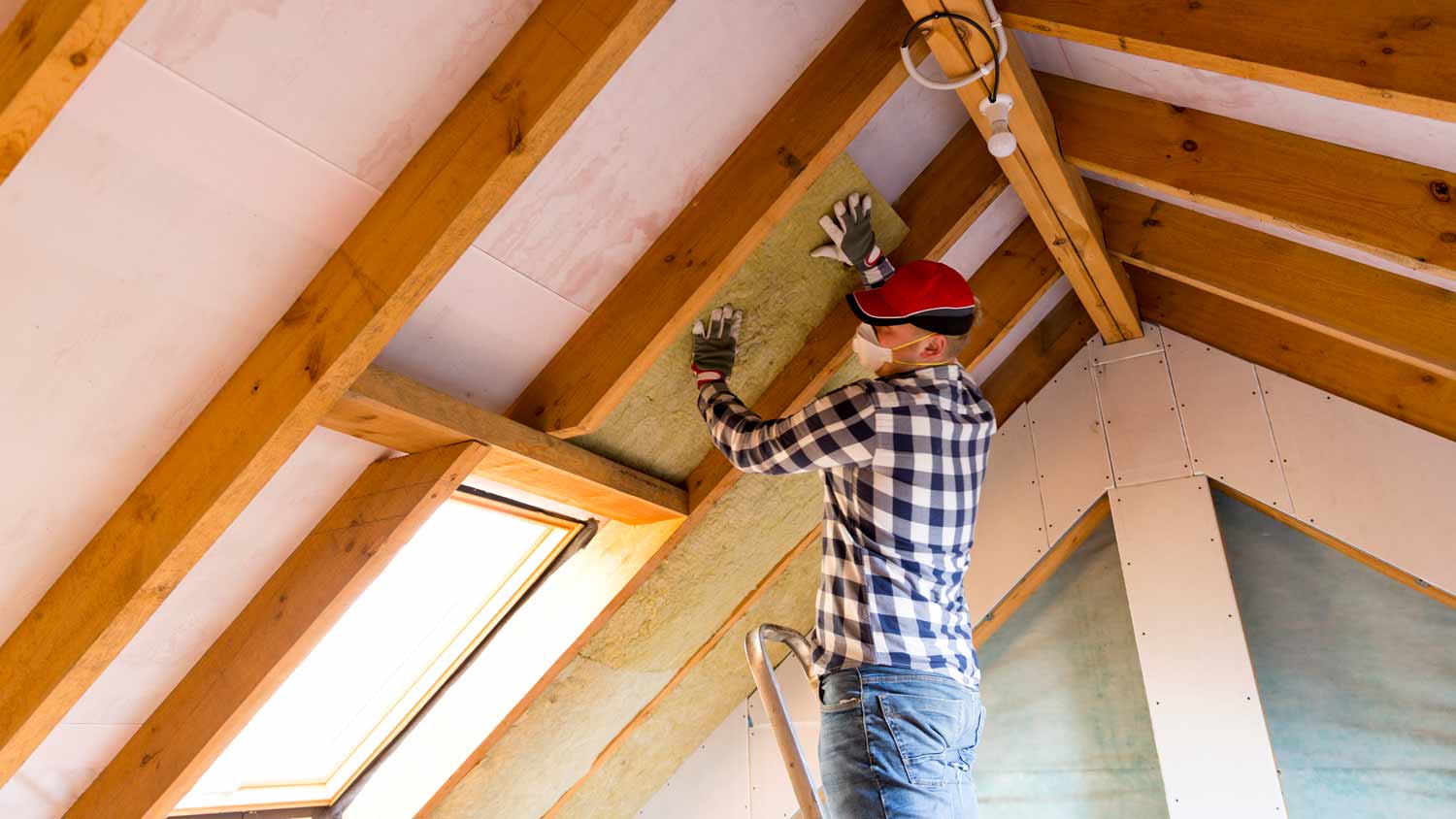
Learn about non fiberglass insulation alternatives, including cellulose, soy, wool, blown-in, spray foam, cotton insulations, radiant barriers, and new materials.
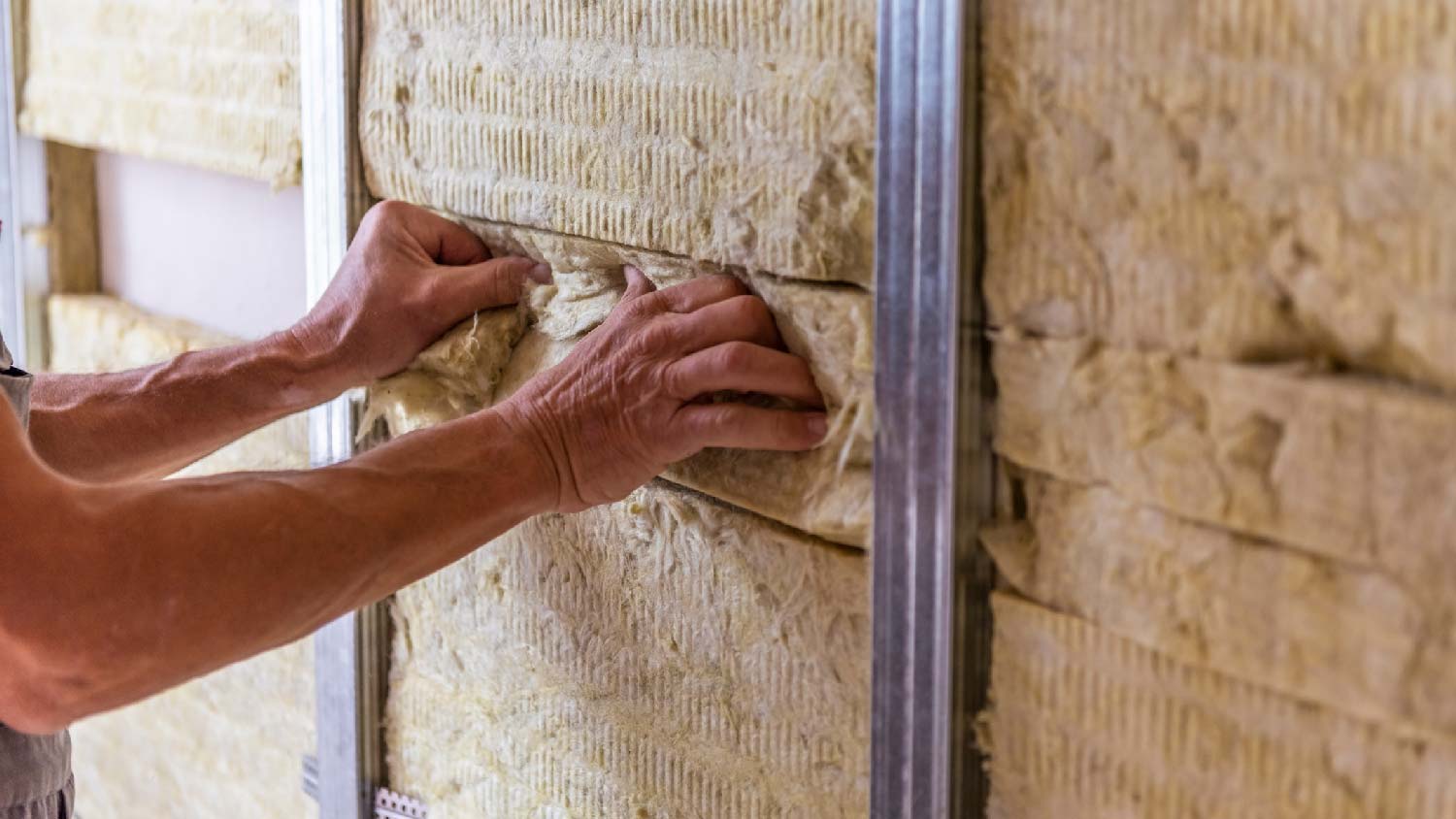
Proper insulation is a win for your home, health, and energy bills. Between rockwool and fiberglass, which insulation comes out on top? Let’s find out.
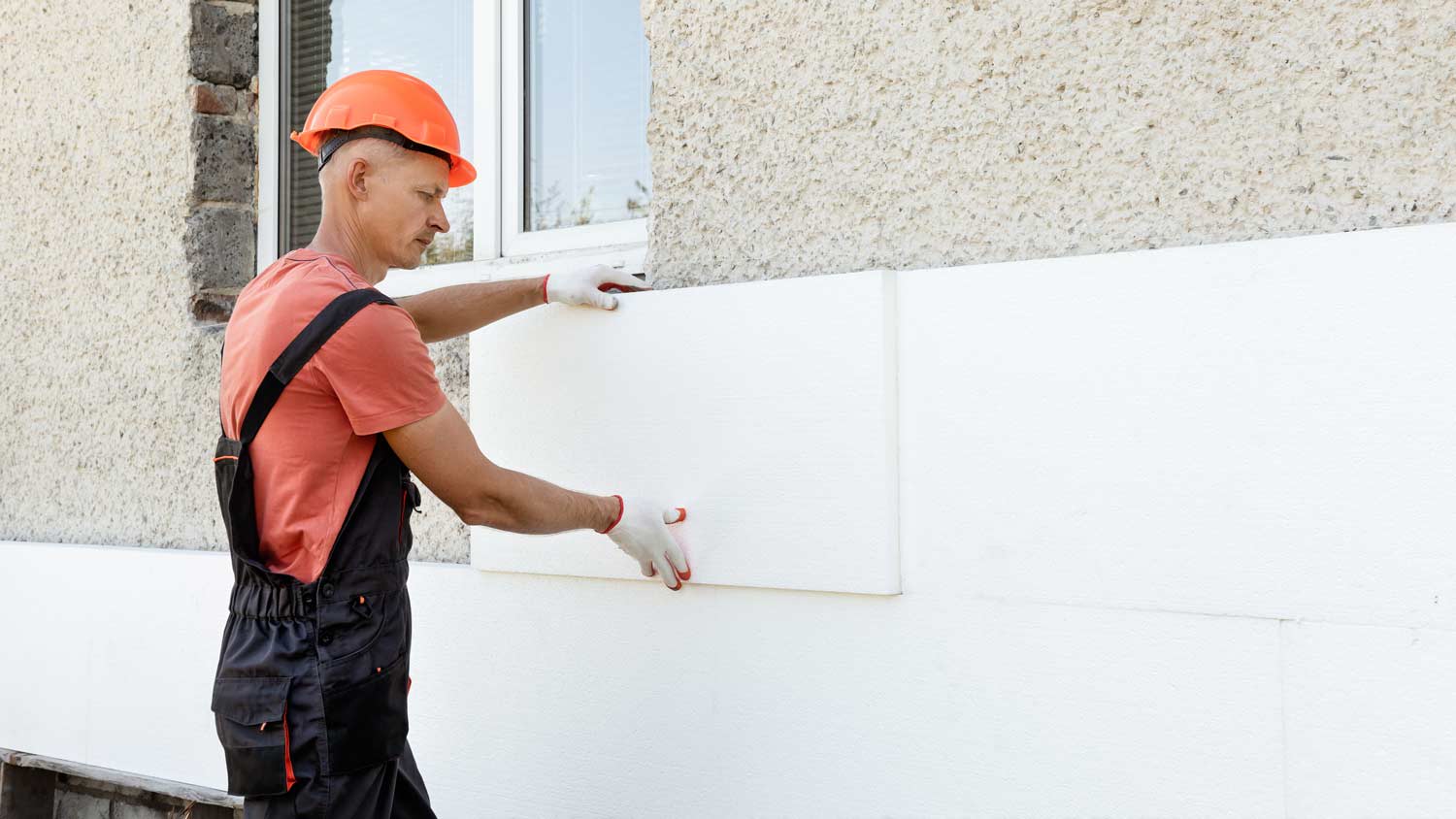
Are you wondering how to install foam board insulation? This step-by-step guide can help you decide whether you can tackle the project yourself or if you're better off calling a pro.