"Excellent service! Pro was nice, easy to work with, professional! Never would have known he was here, he cleaned the working area so well! I would definitely recommend Blackburn Basement!!"
We pride our company on reliability, great communication, integrity, and quality work. We are experts in our trade and will do our best to keep you as educated as we can on your particular task or project. We look forward to earning your business! Book with us online or feel free to give us a call today!\n\n
Radon Detection and Reduction questions, answered by experts
Ideally, no one will live in a house with elevated radon levels, as prolonged exposure increases the risk of serious health issues like lung cancer. However, homes with radon can be made safe through mitigation systems, such as active soil depressurization. Testing for radon regularly and addressing high levels helps ensure a safe living environment.
Radon detection is crucial as prolonged exposure to radon gas, a leading cause of lung cancer, poses significant health risks in residential environments.
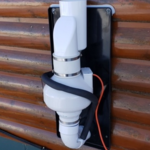
The average radon mitigation system uses about 876 kWh of electricity per year, although the exact amount of electricity used will vary depending on the size of the radon fan. Once the system is installed, the annual increase to your energy bill could range from $30 to $300 per year, again depending on the size of the fan.
Long-term exposure increases lung cancer risks. Prolonged homestay individuals and smokers encounter heightened vulnerability and exposure concerns.
No, radon mitigation systems do not decrease home value or make a home harder to sell. In areas where homes experience similar radon exposure risks, a radon mitigation system is viewed as an improvement. Potential homebuyers often opt to buy a home with a radon mitigation system already installed to reduce the risk of cancer for their families.
The Oglala, SD homeowners’ guide to radon detection and reduction services
From average costs to expert advice, get all the answers you need to get your job done.
Get clear answers on how much radon remediation costs, including average prices, key cost factors, and tips to save money on your home’s radon mitigation.
Find out what impacts radon testing costs, including average prices for DIY kits and professional services, so you can protect your home and budget confidently.
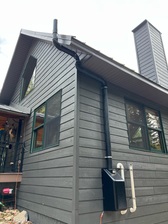
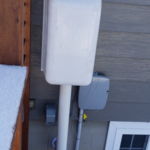
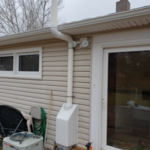
Radon is a gas that you can't see or smell and is harmful to your health. If your home has radon, you need to know who installs radon mitigation systems.