Doorbell Installation questions, answered by experts
Upgrading insulation offers several benefits, including improved energy efficiency, which leads to lower heating and cooling costs. It also enhances indoor comfort by regulating temperature and can provide noise reduction. Additionally, better insulation has a reduced environmental impact and can increase your home's value and overall livability.
For your safety, you should always wear a mask when cutting batts of fiberglass insulation. We also recommend wearing eye protection, safety gloves, and long sleeves to protect your skin. Properly suiting up helps you avoid several fiberglass issues, such as cuts from the tiny shards of glass and inhaling small bits of fiberglass.
Yes, cold walls are a common indicator of poor or inadequate insulation, especially if the walls feel significantly colder than the air in the room. This suggests that heat from your furnace is escaping rather than being retained. The issue could be that the walls have no insulation, or that the existing insulation is old or has been damaged by water, moisture, or pests. Your best course of action is to hire a professional to investigate. An insulation contractor can determine if you need to add or replace insulation and can often perform the work without creating large holes in your drywall. If you suspect the problem might also be related to your heating system's performance, an HVAC technician can take a closer look.
It is possible to install a radiant barrier yourself. However, knowing how to install a radiant barrier and actually doing it are two totally different things. For example, it’s important that they be installed in a straight line but at an angle that creates a gap between the roof panels and the foil or spray. If this gap is too large or small, it won’t function as it should, and that may be hard to avoid if you’re only a novice. When in doubt, leave this job to a pro.
If you’re using faced insulation with paper, face the paper toward the inside of the room during the installation process.
A good way to remember this is that the paper should face the “warm side” as it’s the vapor barrier, meaning it should face toward where the heat will be coming from.
The Kyle, SD homeowners’ guide to doorbell installation services
From average costs to expert advice, get all the answers you need to get your job done.
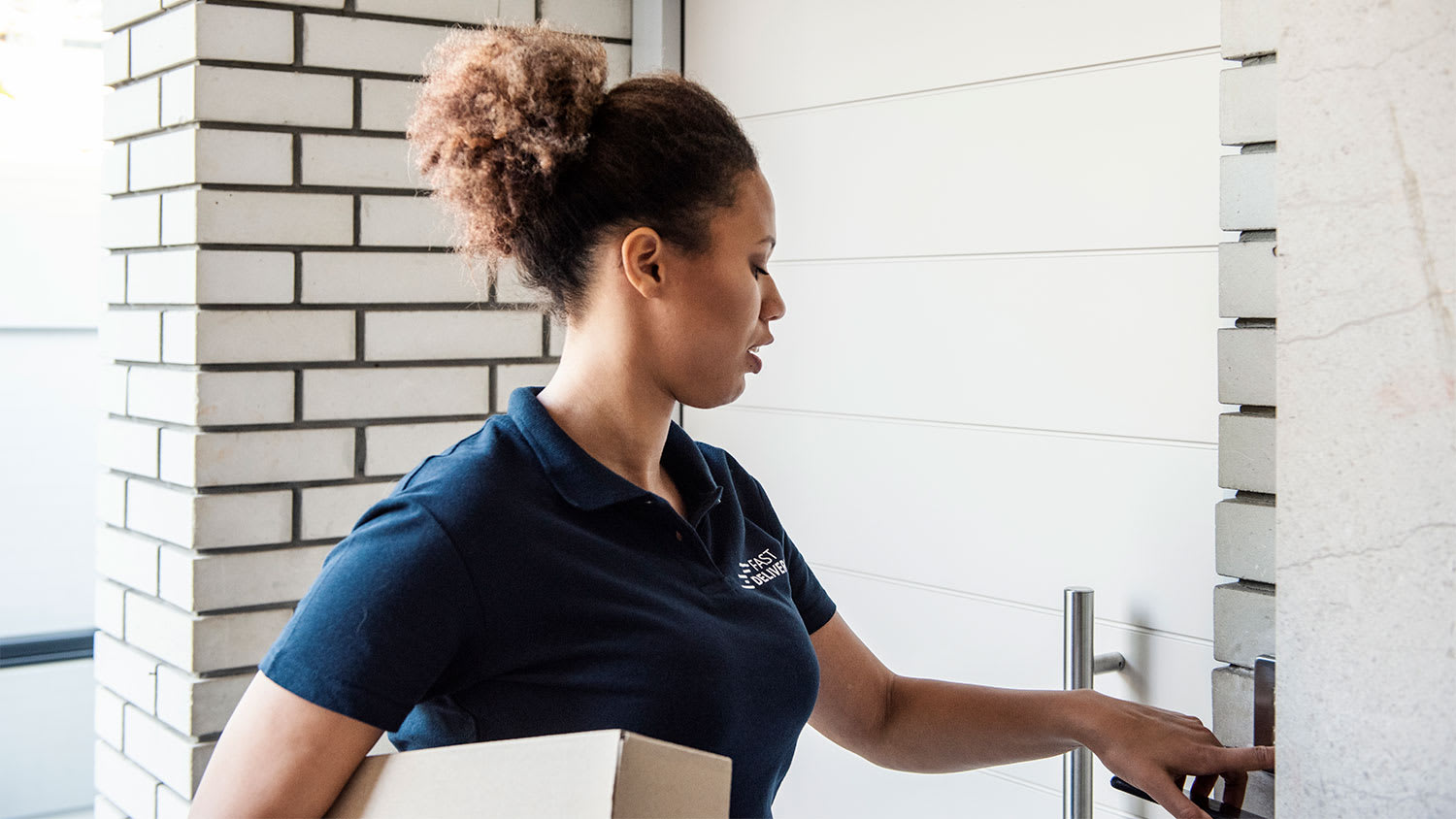
Ring a bell? From replacing a wired doorbell to setting up a smart home system, learn about typical doorbell installation costs, including materials and labor.
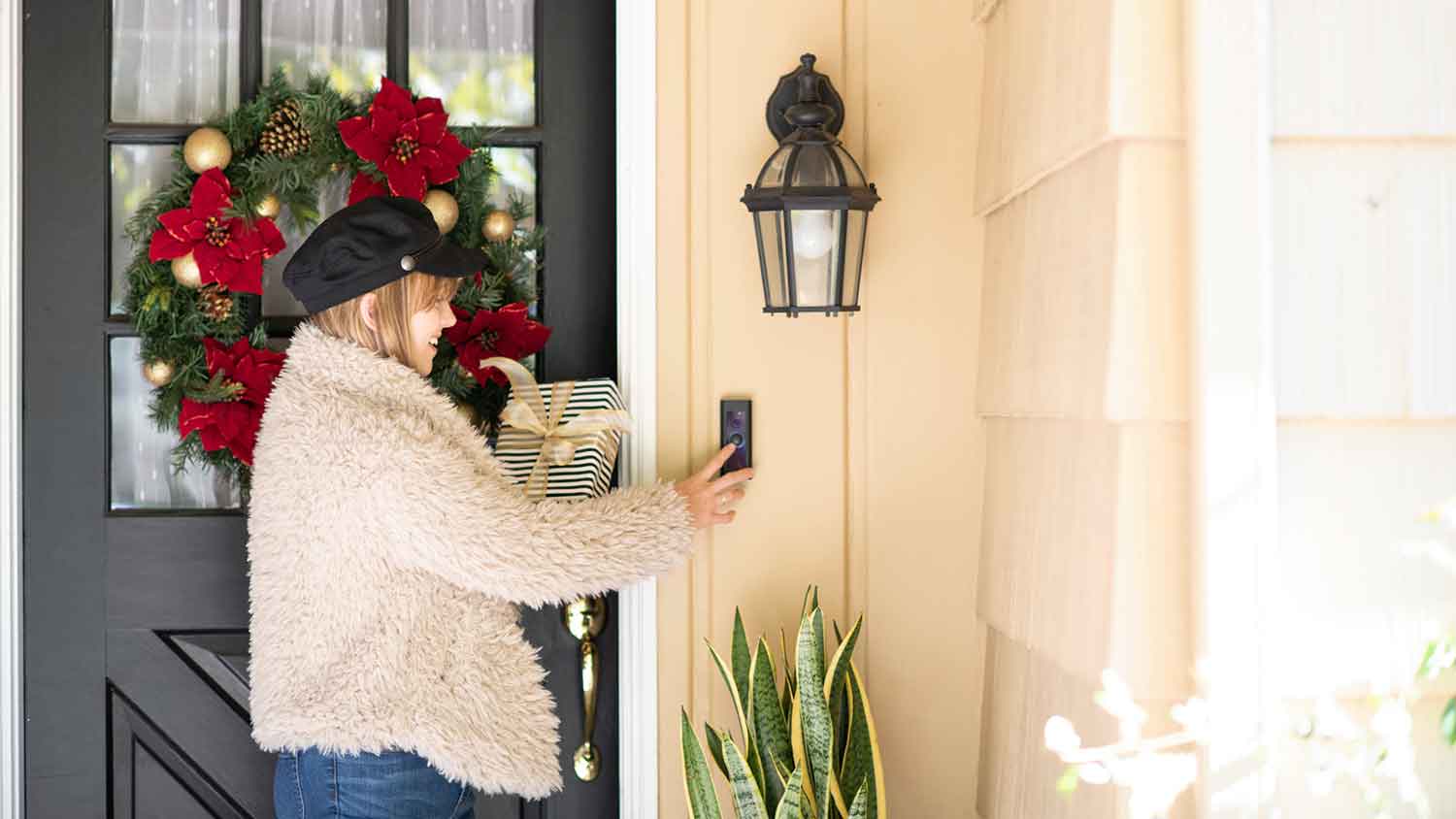
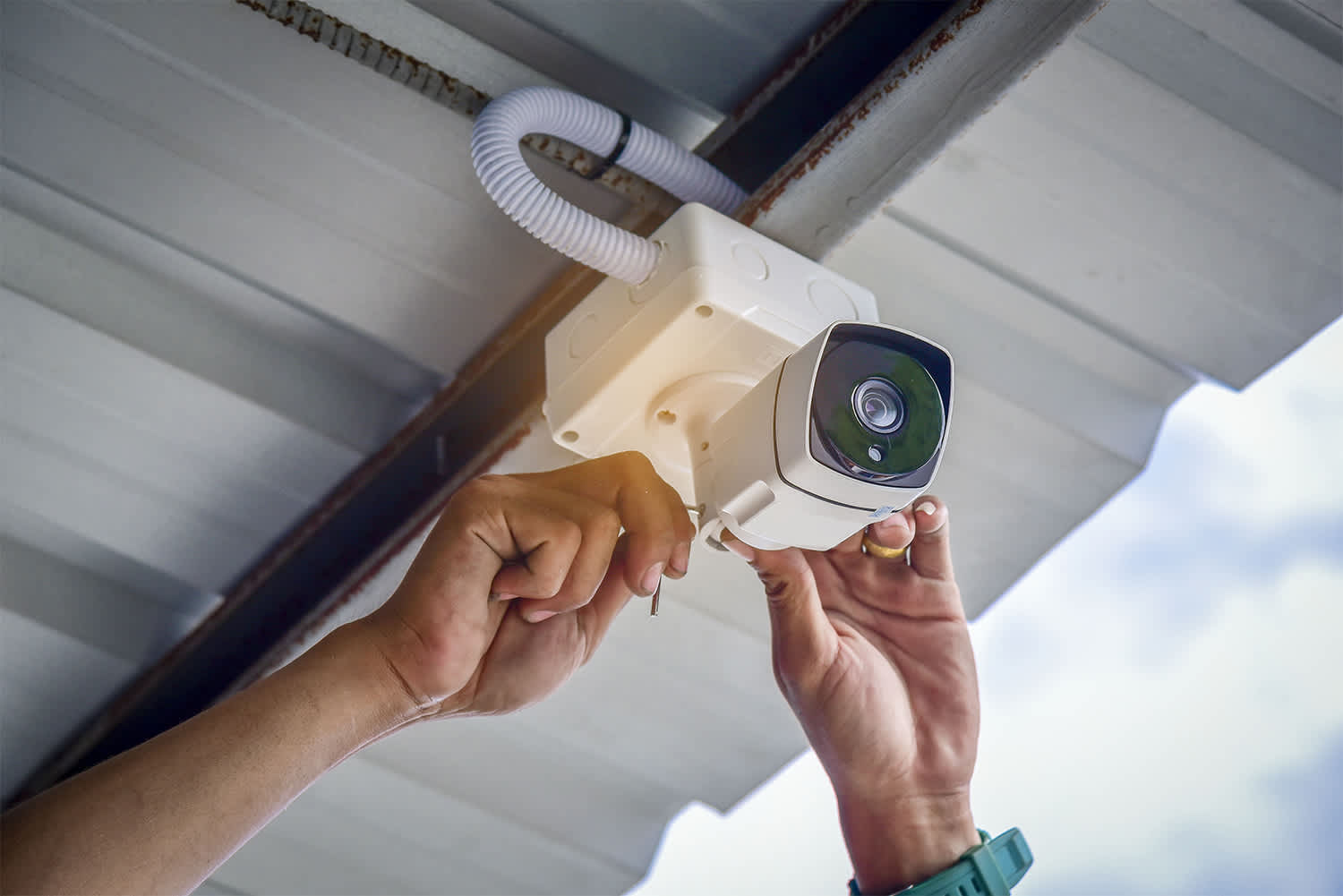
How much does it cost to install a doorbell camera? It depends on whether you plan to DIY or hire a pro. Learn about different models and their power sources, too.
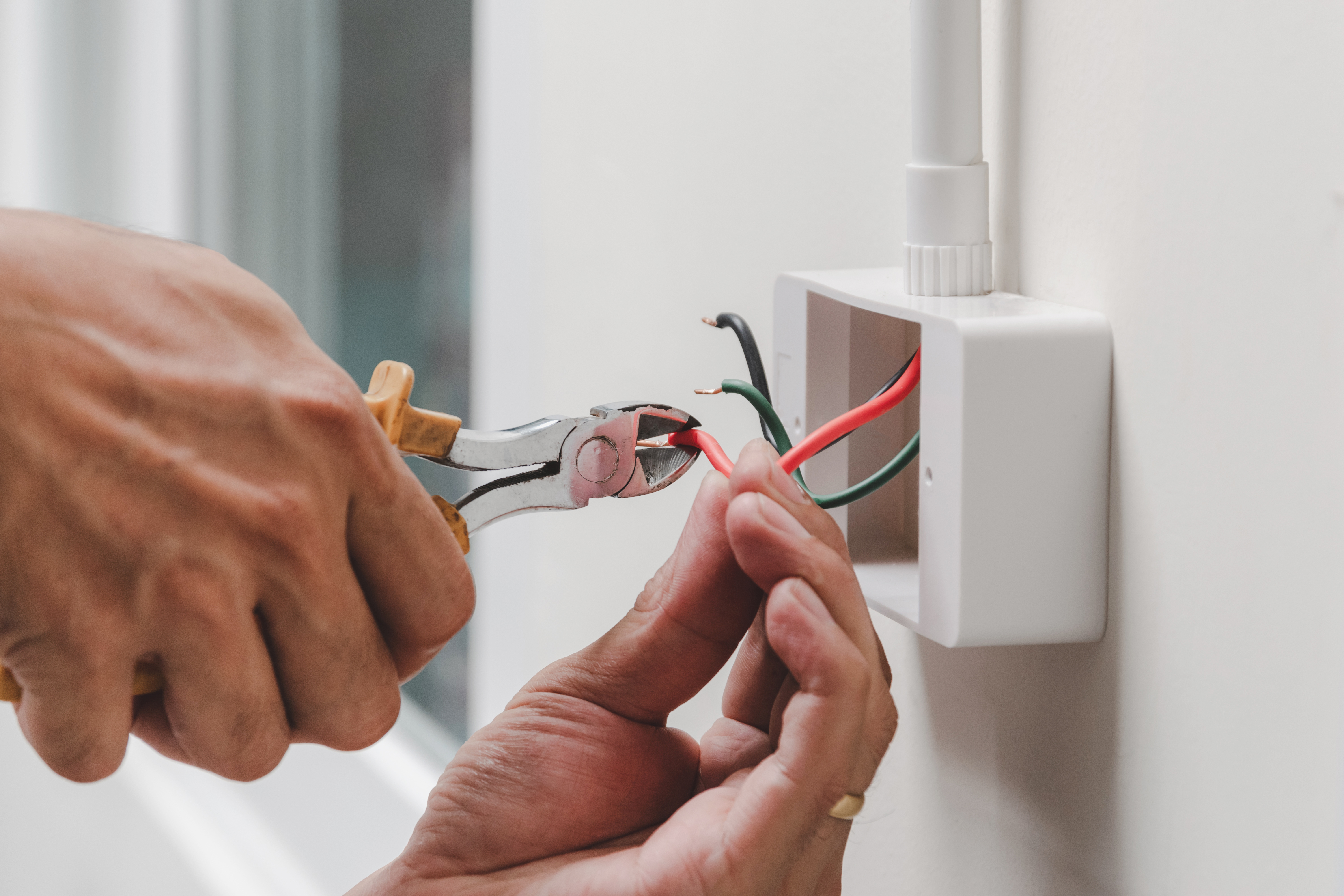
Doorbell wiring is a project you can DIY. This guide covers everything you need to know, from different types of doorbells to wiring, and how to remove an old doorbell.
Ready to upgrade your front door and learn how to wire a doorbell? You may be able to handle this relatively simple DIY installation without an electrician.