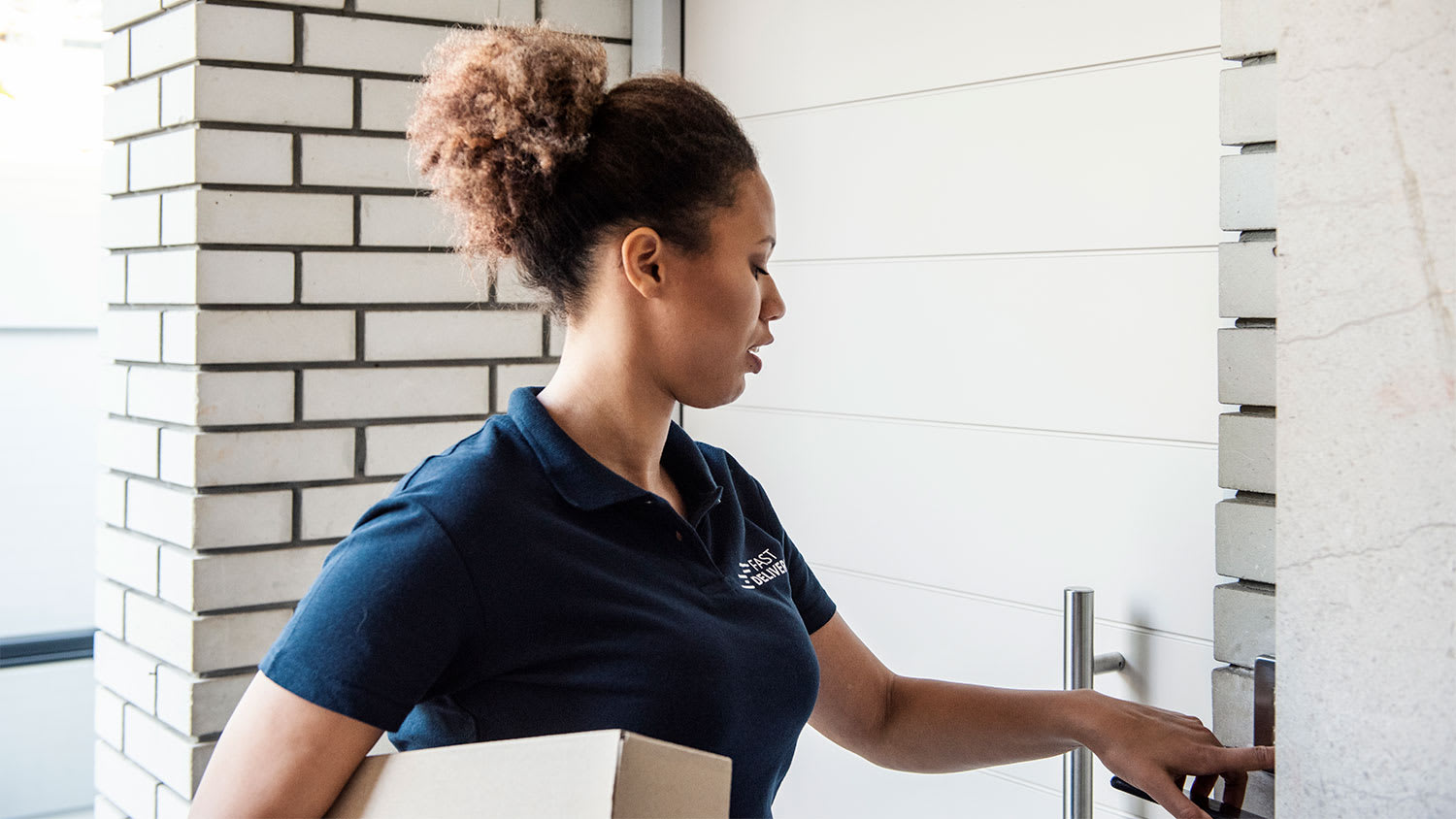
Doorbell Installation questions, answered by experts
Heat lost through uninsulated basement walls can account for up to 30% of the total energy lost through heat transfer to the outdoors. While homes in mild climates won't gain as much benefit from having an insulated basement as those in cold climates, the effects are still noticeable on your energy bill.
Yes, cold walls are a common indicator of poor or inadequate insulation, especially if the walls feel significantly colder than the air in the room. This suggests that heat from your furnace is escaping rather than being retained. The issue could be that the walls have no insulation, or that the existing insulation is old or has been damaged by water, moisture, or pests. Your best course of action is to hire a professional to investigate. An insulation contractor can determine if you need to add or replace insulation and can often perform the work without creating large holes in your drywall. If you suspect the problem might also be related to your heating system's performance, an HVAC technician can take a closer look.
Insulating your ducts offers several benefits, including:
Improved energy efficiency: Duct insulation prevents energy losses, reducing heating and cooling costs.
Cost savings: Lower energy bills make insulation a cost-effective investment.
Environmental benefits: Enhanced efficiency reduces your carbon footprint.
Consistent comfort: Insulated ducts help maintain a stable indoor temperature.
Better indoor air quality: Reduced allergens and pollutants improve air quality.
For standard 2x4 walls, the ideal insulation has an R-value between R-13 and R-15. This level of insulation, typically around 3.5 inches thick, fits well within the wall cavity. Common options include fiberglass batts and spray foam. The best choice for your home can depend on your climate; use R-value maps, like those from Energy Star, to determine the recommended level for your region. For colder climates, you might also consider adding exterior insulation for greater efficiency. Always check with your local building codes to ensure you meet any required standards.
The primary reason that insulation saves you money over time is that it reduces your energy bills by making your home more energy efficient. A crucial part of an insulation system is a properly installed vapor barrier. Local building codes dictate whether your insulation requires a vapor barrier based on the type installed. While some high-quality wool insulation may not technically need a vapor barrier, most municipalities still require one to meet code.
The Pine Ridge, SD homeowners’ guide to doorbell installation services
From average costs to expert advice, get all the answers you need to get your job done.
Ring a bell? From replacing a wired doorbell to setting up a smart home system, learn about typical doorbell installation costs, including materials and labor.
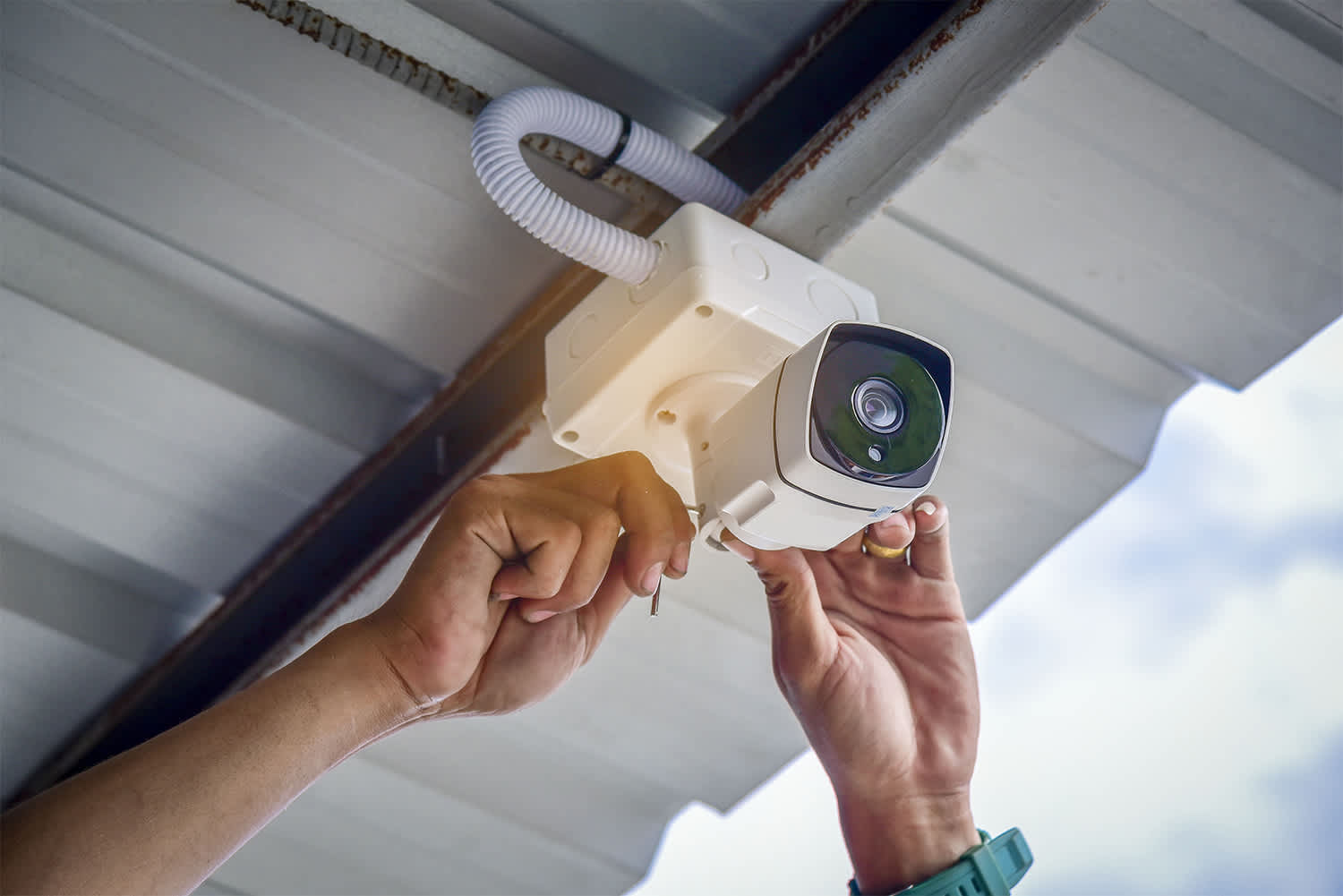
How much does it cost to install a doorbell camera? It depends on whether you plan to DIY or hire a pro. Learn about different models and their power sources, too.
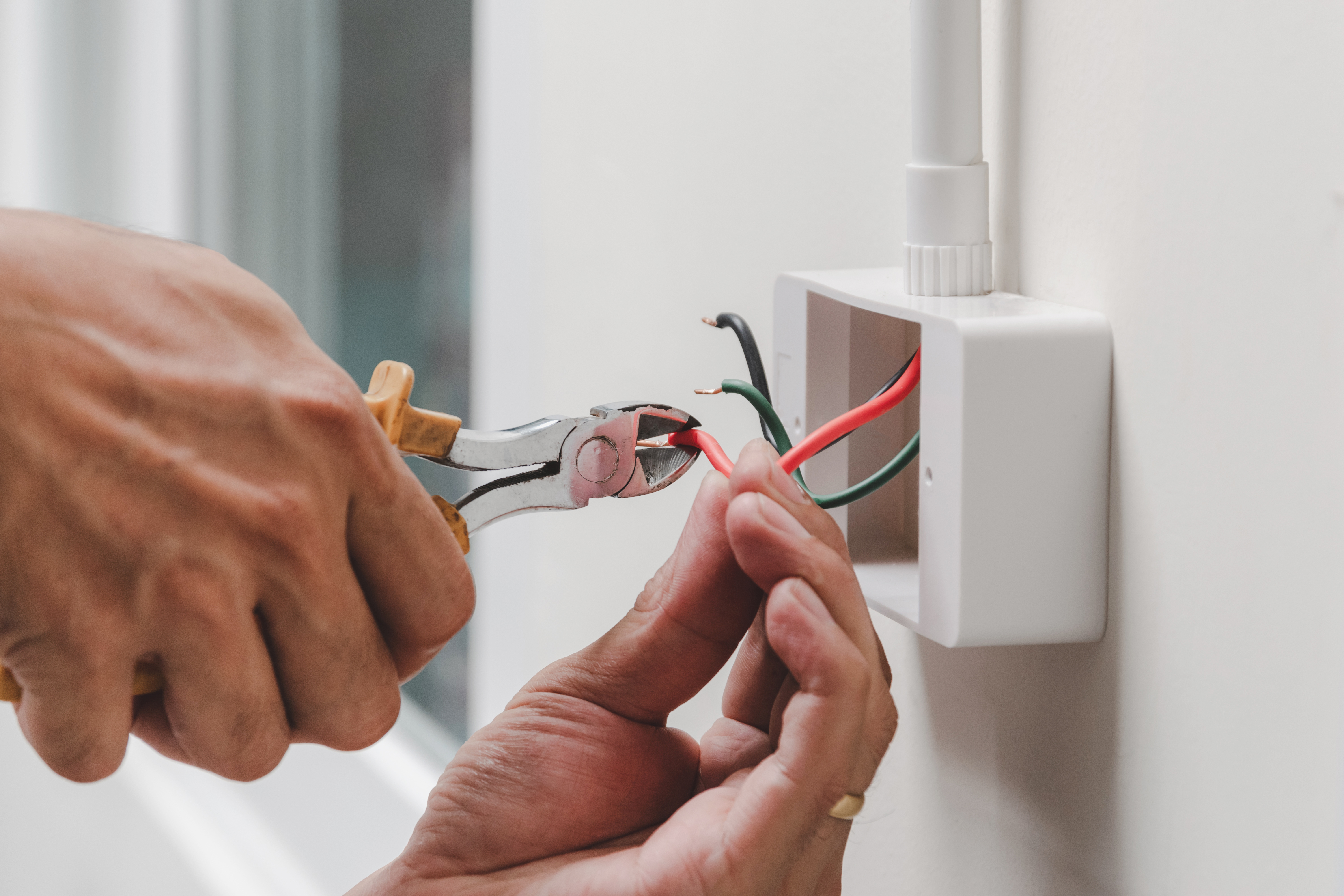
Doorbell wiring is a project you can DIY. This guide covers everything you need to know, from different types of doorbells to wiring, and how to remove an old doorbell.

Ready to upgrade your front door and learn how to wire a doorbell? You may be able to handle this relatively simple DIY installation without an electrician.