Top-rated fencing pros.

Get matched with top fencing pros in Clark, SD

Enter your zip and get matched with up to 5 pros

Need a pro for your fencing service project in Clark, SD?

Select your specific project to find the pro for you.

Find Fencing pros in Clark

Showing 1-10 of 18
Fencing questions, answered by experts

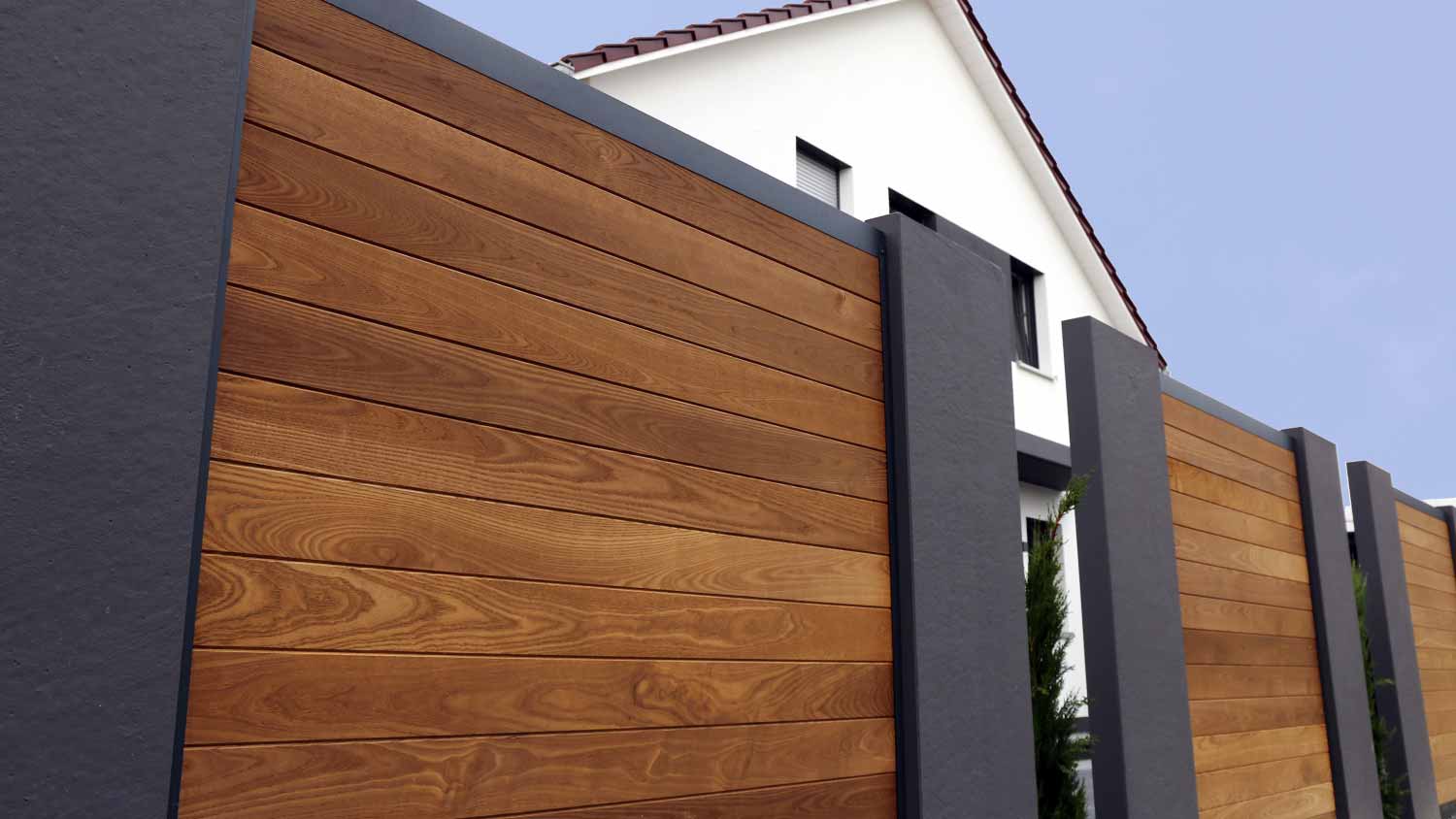
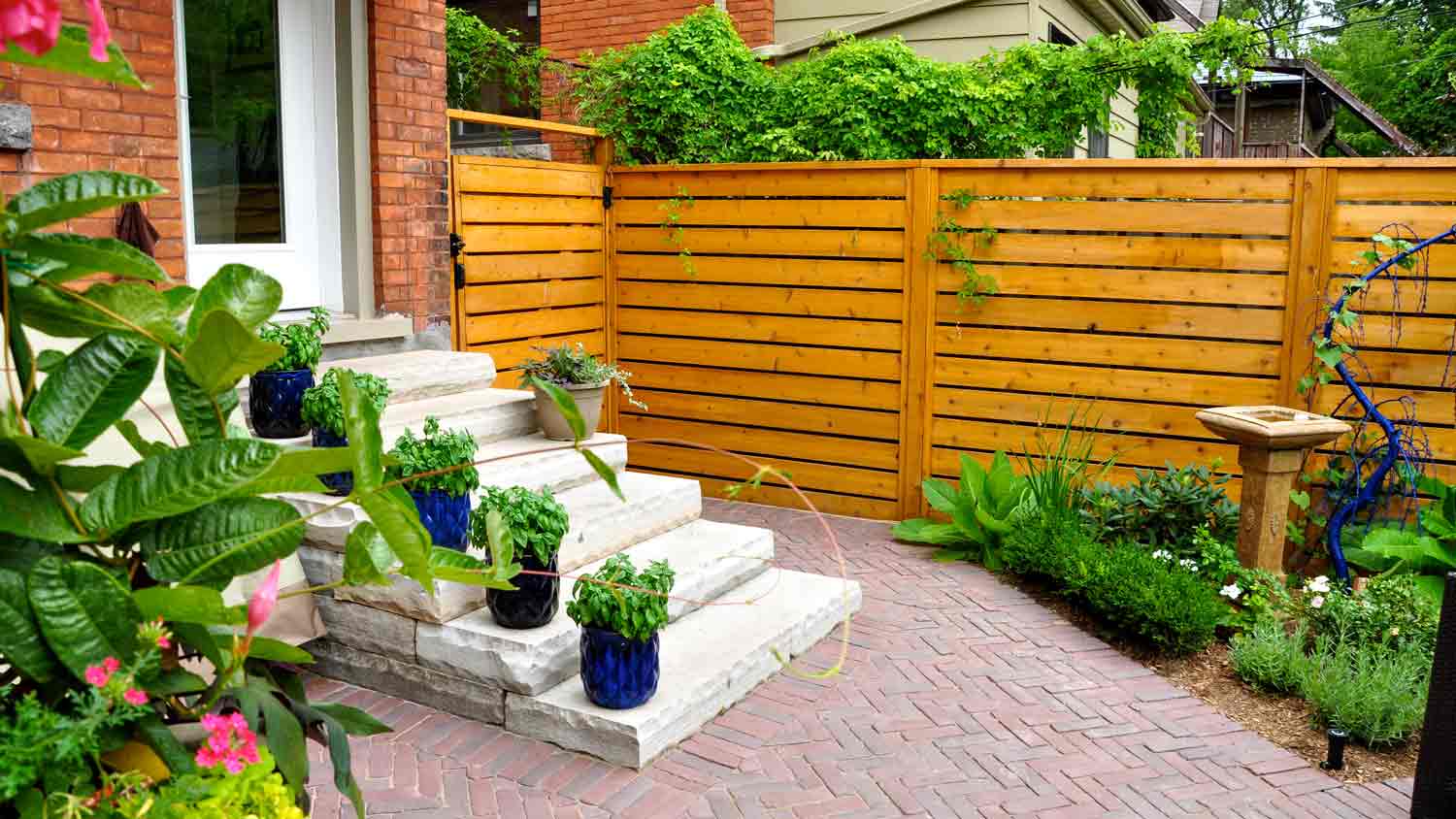
A horizontal fence is typically more expensive to build than a vertical fence, often costing between 10% and 20% more. The higher cost is due to the need for a higher grade of lumber and more posts to prevent the boards from sagging, which increases both material and labor expenses. Despite the higher price, horizontal fences tend to be more durable and offer a more distinct, modern look compared to the more common vertical picket style. However, they may not be the best option for privacy, as there can be slight gaps between the horizontal rails.

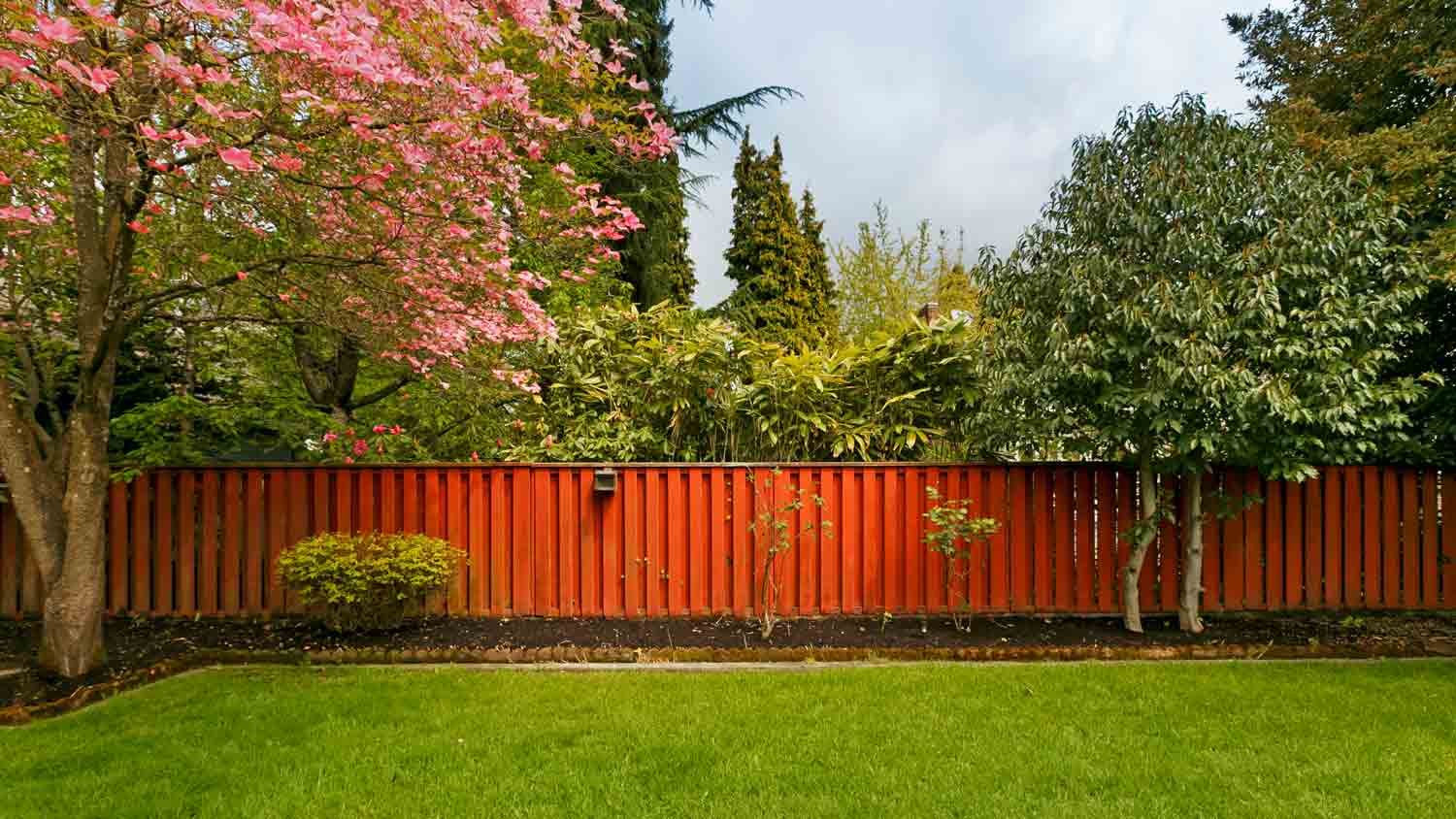
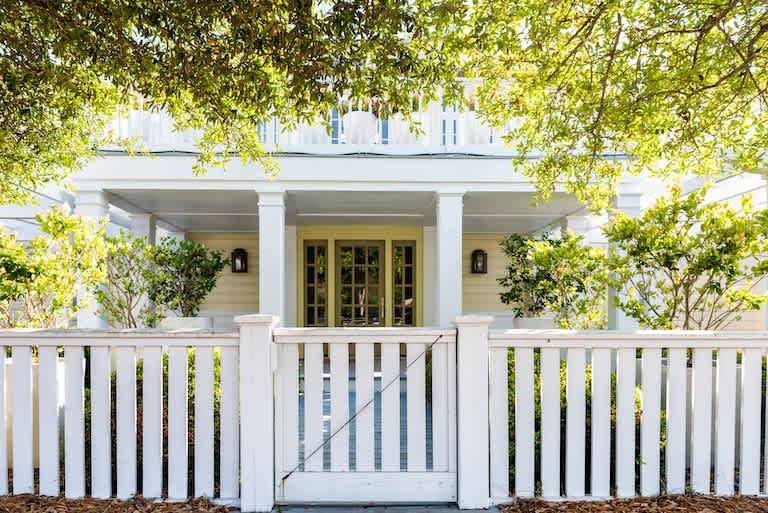
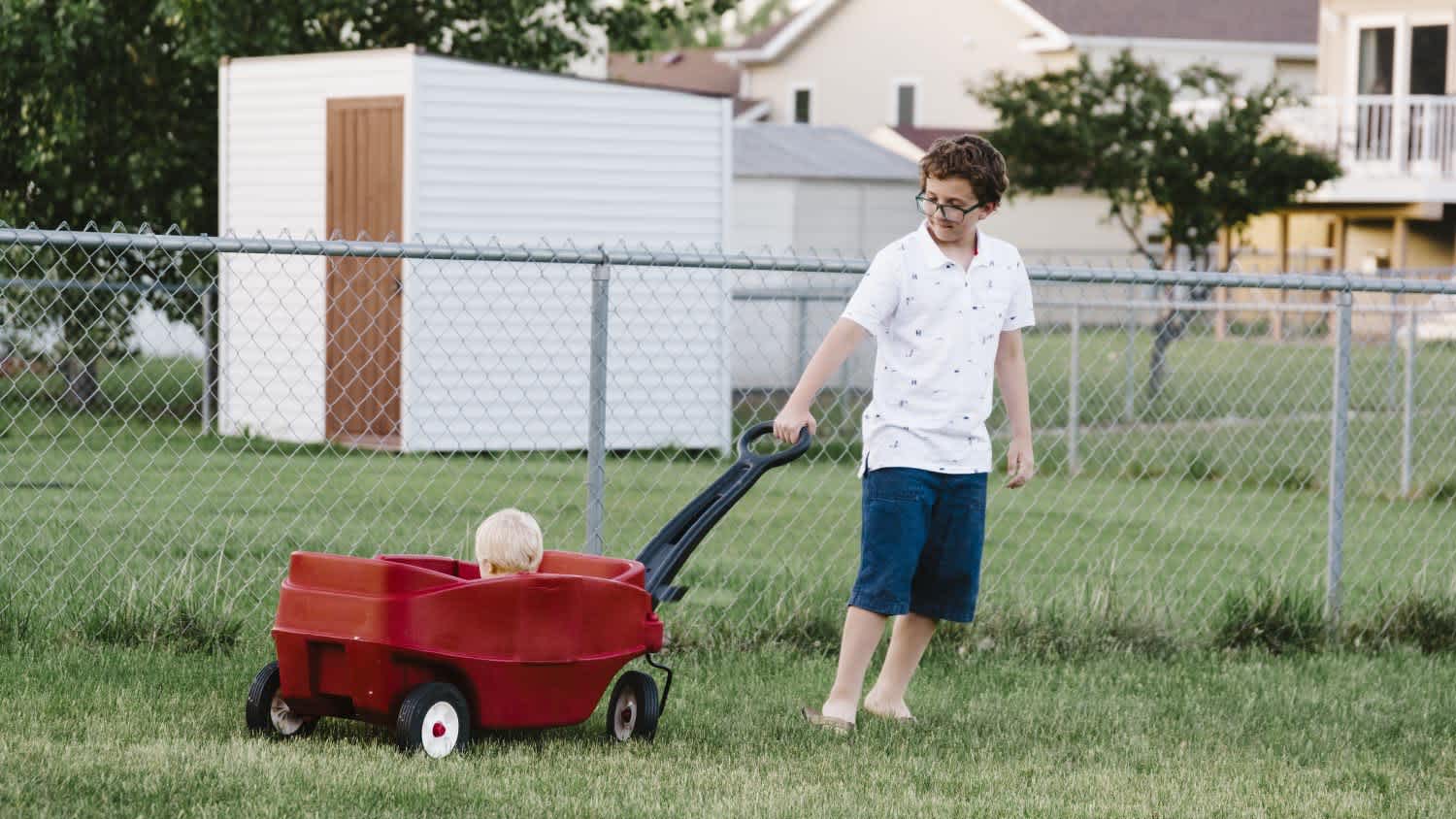
Privacy fences in residential neighborhoods tend to stand between 6 and 8 feet tall, but local building code usually dictates the maximum height. Livestock fences that border large land plots range from 3 to 6 feet. Shorter, decorative fences, which are common in front yards, are around 3 feet tall, on average. Fence height also tends to vary by material, with wood fences usually sitting at 6 feet tall, and chain-link and wrought iron fences tending to sit at half that.

It’s usually cheaper to buy pre-made fence panels than to build your own. This surprises many people since DIY tasks so often save money. However, large stores don’t have to pay the same amount per board of wood that homeowners do, allowing them to sell pre-made panels at a more cost-effective rate. Pre-made panels also save a great deal of time, energy, and guesswork. The drawback is that they are harder to customize to the shape and slope of your yard.

Since wood is weaker when installed horizontally versus vertically, a horizontal fence is prone to sagging. You can prevent this drooping from happening by building a sturdier fence. Use softwoods that are more stable, such as cedar and redwood, or denser hardwoods for your fence materials. If you can’t afford these pricey materials, use thicker two-by-six pressure-treated pine boards or shorten the span the fence boards have to cover by installing more posts.

It provides security, durability, and low-maintenance protection for commercial properties.

The Clark, SD homeowners’ guide to fencing services

From average costs to expert advice, get all the answers you need to get your job done.