We pride our company on reliability, great communication, integrity, and quality work. We are experts in our trade and will do our best to keep you as educated as we can on your particular task or project. We look forward to earning your business! Book with us online or feel free to give us a call today!\n\n
Energy Efficiency Auditing questions, answered by experts
Keep the unit full but not overloaded, ensure door seals are tight, set correct temperatures, and avoid frequent door openings. Position the appliance away from heat sources for optimal performance.
There is no blanket figure for a residential home’s electrical load, since load varies by the size of the home, how many appliances are used, and the efficiency of their electrical systems. Typically, however, it’s safe to assume 40 to 60 amps is the average electrical load of a residential home.
Energy-efficient windows cost more than other window types, but they can help you save on your monthly energy bills, get you some breaks on your taxes, and even increase the value of your home. According to Michael S. Regan, Administrator of the U.S. Environmental Protection Agency, when people invest in green upgrades like energy-efficient windows, they save energy, money, and more.
Yes, energy-efficient windows really can make a difference. As long as energy-efficient windows are properly installed and maintained, they can reduce your energy bill and offer significant savings.
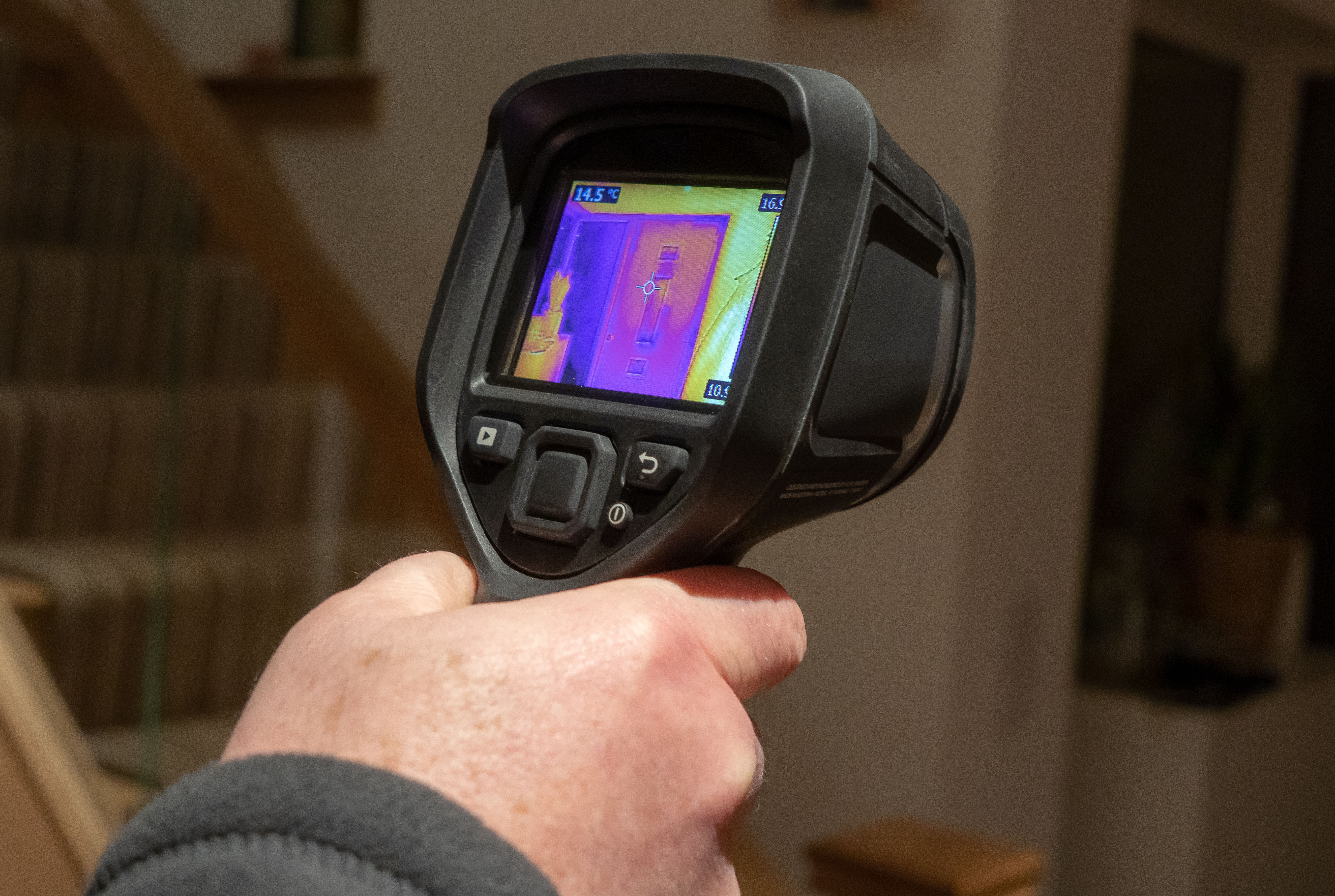
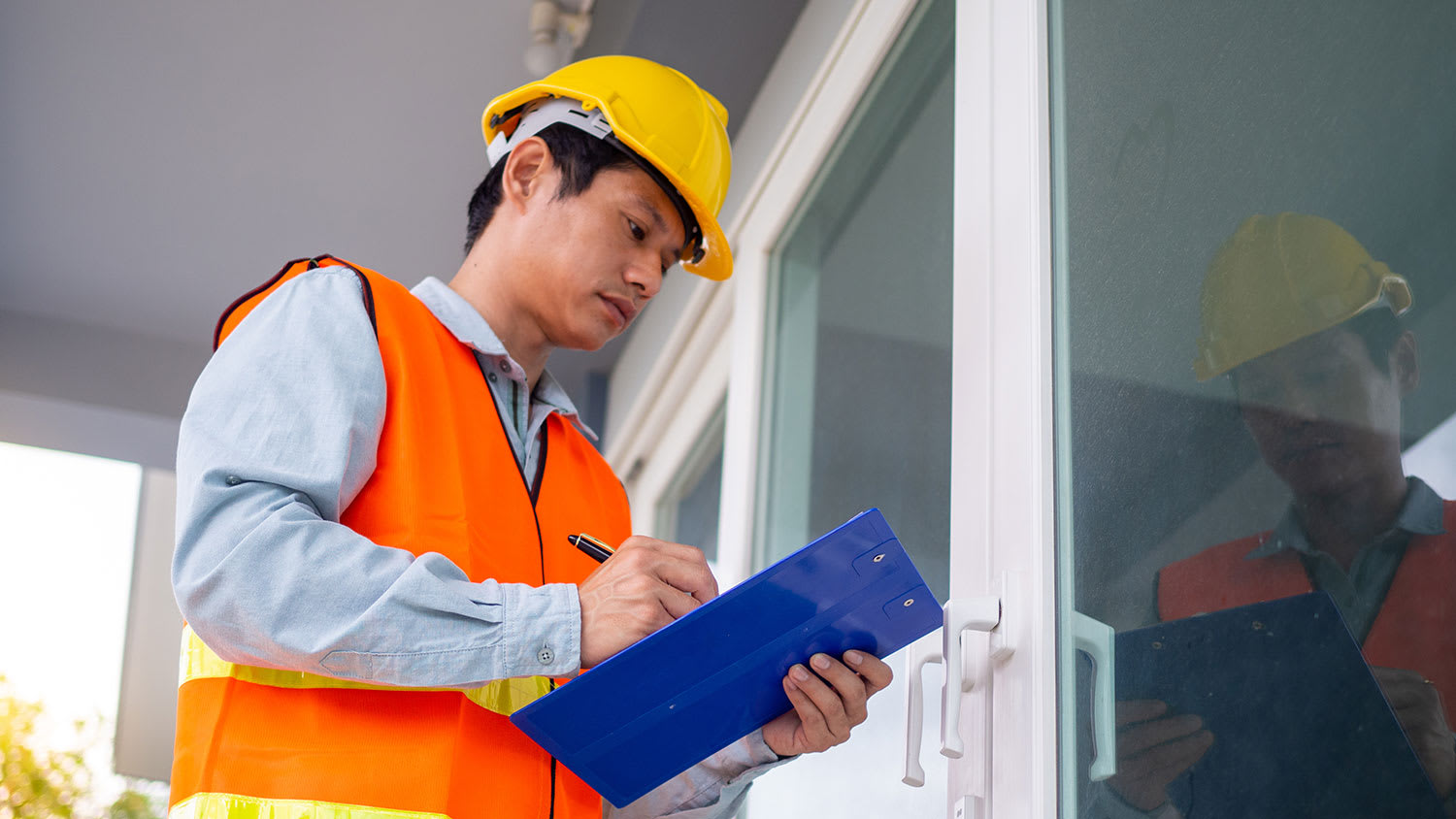
Depending on the level of audit you choose, a home energy audit will at least include a walk-through of the home to determine visible inefficiencies, but may include testing and a highly detailed inspection and report laying out the home’s inefficiencies and providing recommendations to fix those issues. The audit may also include a review of utility bills and mechanical testing. Consult your home energy auditor about the types of services they provide before hiring.
The Bowdle, SD homeowners’ guide to energy efficiency auditing services
From average costs to expert advice, get all the answers you need to get your job done.
Discover the average home energy audit cost, what impacts pricing, and how to save money on your audit. Get transparent, expert-backed cost info for homeowners.
Thinking about scheduling a home energy audit? Learn how to improve energy efficiency, lower your utility bills, and hire the right local pro for the job.