





Top-rated energy efficiency auditors.

Get matched with top energy efficiency auditors in Redfield, SD

Enter your zip and get matched with up to 5 pros

Need a pro for your energy efficiency auditing project in Redfield, SD?

Select your specific project to find the pro for you.

Find Energy efficiency auditors in Redfield

Energy Efficiency Auditing questions, answered by experts

Some types of electric fireplaces use more electricity than others. Models that produce 1,500 watts will have more of an effect on your heating bill than 750-watt models. 

Electric fireplaces use an average of $1.85 of electricity every eight hours. These minimal operational costs aren’t likely to make a big difference in your electric bill—unless you’re using it as a primary heating source for your home and it’s running most of the time.

Energy output depends on turbine size, average wind speed at your site, and system efficiency. A 5 kW turbine in a good wind location can generate 8,000 to 12,000 kilowatt-hours per year, which may cover a large portion of an average home’s needs. Accurate output estimates require a professional wind assessment and a review of your household’s energy usage patterns.

While many states require all new construction to undergo blower door tests, it’s not a requirement for existing homes. But in both cases, a blower test helps confirm that the contractor has sealed the exterior, that the type of ductwork installed is functioning properly, and that your home is as efficient as possible.

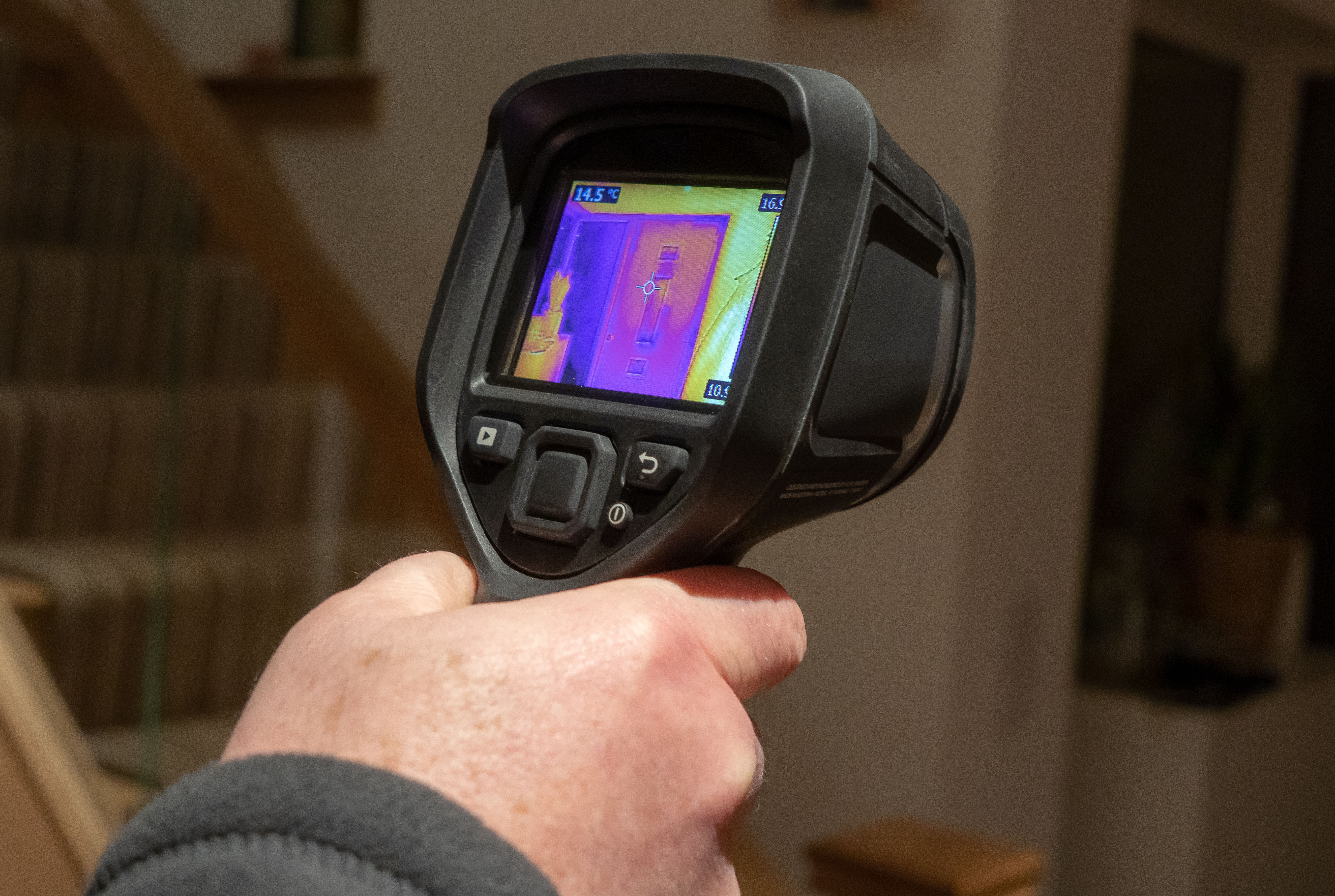
The difference between an energy auditor and a home inspector is primarily in the purpose of the inspection. The energy auditor conducts tests in your home to determine the energy efficiency levels in areas like windows, insulation, and doorways. The auditor then makes recommendations for ways to improve a home’s energy efficiency. 

A home inspector examines various structures of your home to determine that everything is up to code and gauge the condition of features like the roof, foundation, HVAC, and electrical. The home inspector reports on the overall home and makes repair recommendations.

Leaving vents open but closing doors in unused rooms will probably not save money on your energy bill. Closed doors prevent the natural flow of air throughout the home, which could reduce the efficiency of the overall HVAC system. They could also restrict airflow into and through the return vents, making the HVAC system less efficient.

The Redfield, SD homeowners’ guide to energy efficiency auditing services

From average costs to expert advice, get all the answers you need to get your job done.