Energy Efficiency Auditing questions, answered by experts
To find a reputable home energy auditor, start by researching local companies that offer the service and check their reviews, methods, and certifications. The most reputable professionals are often Home Energy Professional (HEP)-certified by the Building Performance Institute (BPI). You can also consult the Department of Energy’s certified list of energy auditors or use a state licensing tool to review local guidelines and ensure you are hiring a certified professional for your area.
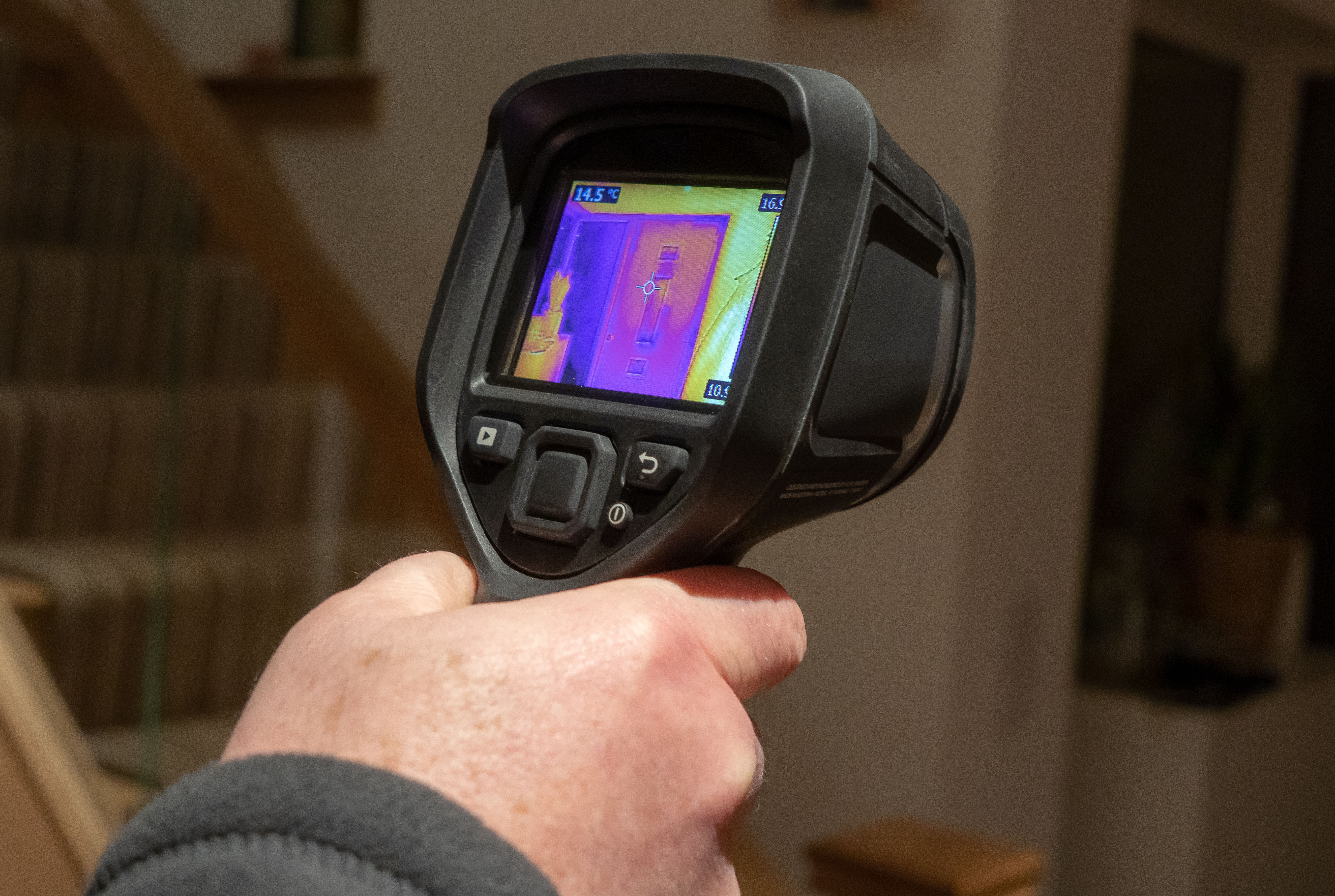
Depending on the level of audit you choose, a home energy audit will at least include a walk-through of the home to determine visible inefficiencies, but may include testing and a highly detailed inspection and report laying out the home’s inefficiencies and providing recommendations to fix those issues. The audit may also include a review of utility bills and mechanical testing. Consult your home energy auditor about the types of services they provide before hiring.
Provide utility bills and clear access to all areas of the home, including the attic and basement.
If you have central air conditioning, it’s fine to run your AC all day if that’s what you want—as long as the AC unit is in good condition. But if your AC runs constantly when you don’t want it to, there may be a problem with your system (like the ones we’ve mentioned above). Window AC units and wall air conditioners aren’t as powerful as central AC, so you should only run those kinds of air conditioners for eight to 12 hours at a time.
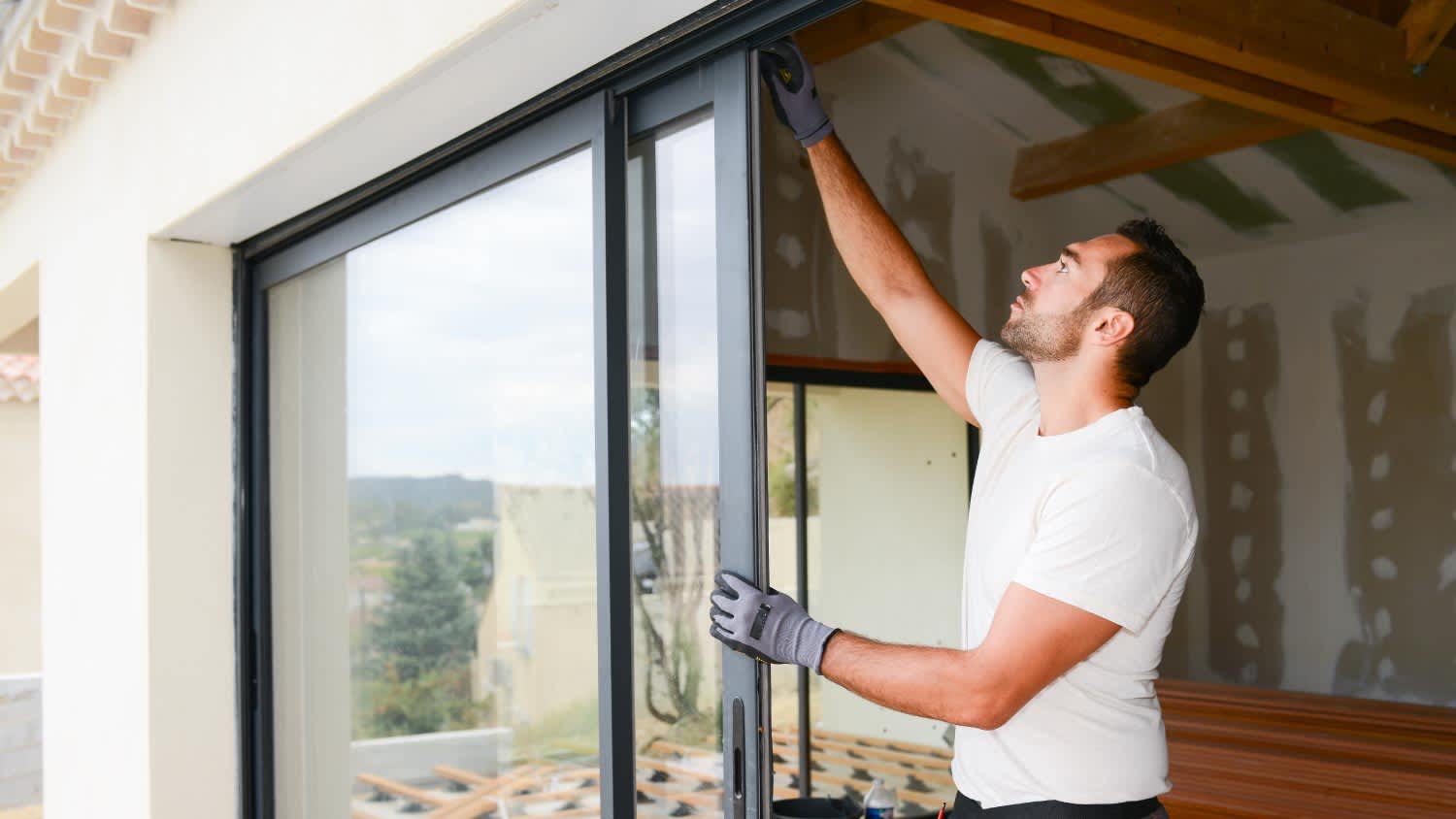
Upgrade to double-glazed glass or apply energy-efficient coatings to reduce heat loss and utility costs.
The Edgeley, ND homeowners’ guide to energy efficiency auditing services
From average costs to expert advice, get all the answers you need to get your job done.
Discover the average home energy audit cost, what impacts pricing, and how to save money on your audit. Get transparent, expert-backed cost info for homeowners.
Thinking about scheduling a home energy audit? Learn how to improve energy efficiency, lower your utility bills, and hire the right local pro for the job.