We pride our company on reliability, great communication, integrity, and quality work. We are experts in our trade and will do our best to keep you as educated as we can on your particular task or project. We look forward to earning your business! Book with us online or feel free to give us a call today!
\n
\n
Energy Efficiency Auditing questions, answered by experts
There are a couple of ways you can save on the cost of your home energy audit. First, find out if you qualify for programs like the Department of Energy’s Weatherization Assistance Program for low-income households. Next, check with your local utility company to find out if you qualify for any local rebate programs to offset the cost of this helpful service.
String lights require electricity, but not an excessive amount, especially when compared to other lighting fixtures. LED rope lights, for instance, consume around one watt per foot. Running six or seven light strings simultaneously should only cost you around $10 to $15 each month. You can save even more money by remembering to turn off your lights during daylight hours.
The number one culprit of high energy bills is older appliances, especially fridges and freezers that are left on all the time. These two appliances tend to last a long time, which is good, but it also means that newer models are usually significantly more energy-efficient due to upgraded technology. The second most common reason for a high bill is heating and air conditioning.
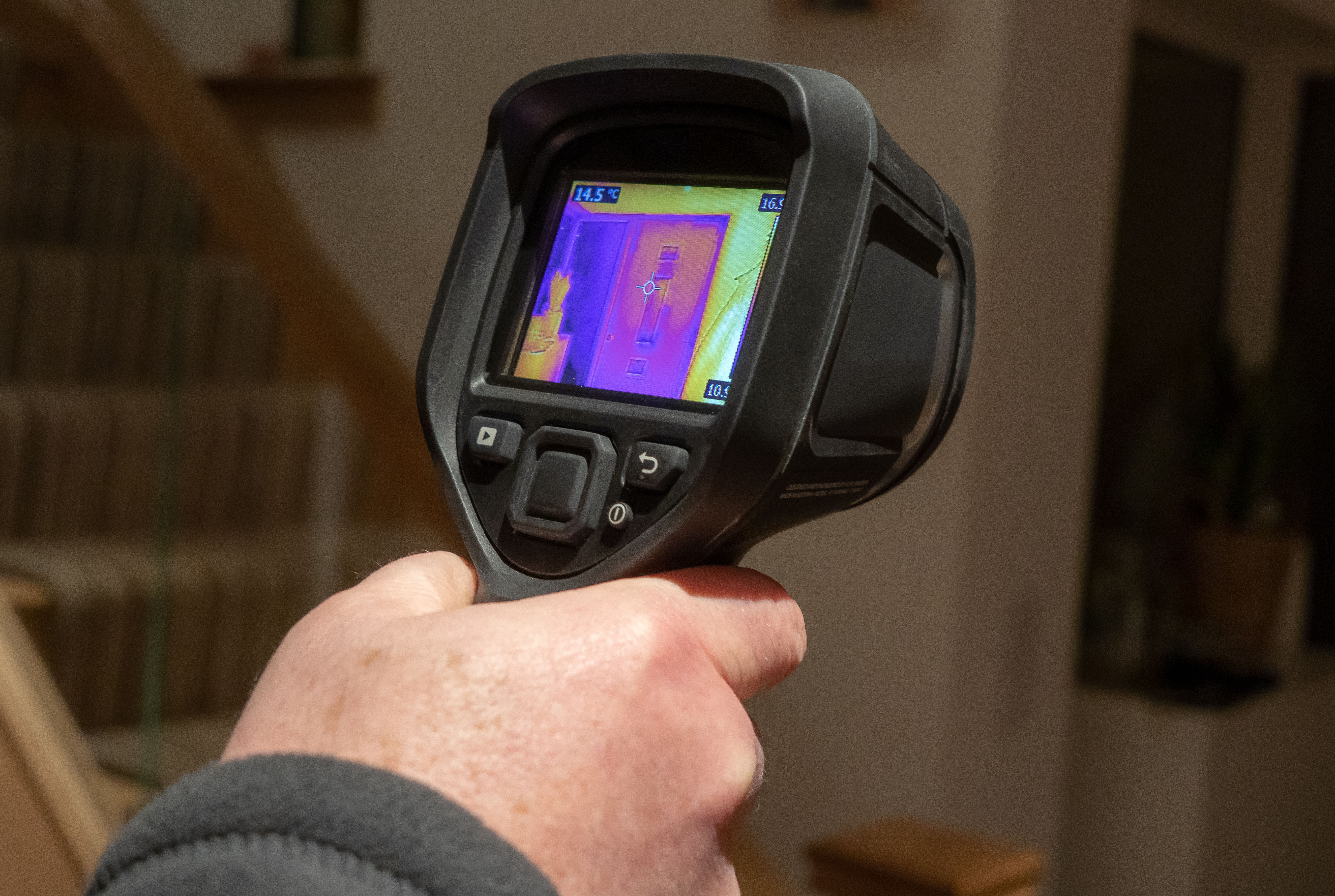
When installing a new furnace, it's a good time to consider other projects that can enhance your home's energy efficiency. A great first step is to get a home energy audit, which will identify areas for improvement. Common recommendations include sealing or replacing windows and adding insulation to the attic. These upgrades can help you save money on monthly utility costs. You might also consider installing a smart thermostat to make heating your home more convenient and efficient.
Dehumidifiers typically use 300 to 700 watts of electricity per hour, whereas portable dehumidifiers use about 40 watts per hour. The exact amount of electricity your dehumidifier will generate depends on its capacity and energy efficiency. Generally, higher-capacity dehumidifiers generate more electricity than lower-capacity units, but they also usually have better energy efficiency over the long run.
The Highmore, SD homeowners’ guide to energy efficiency auditing services
From average costs to expert advice, get all the answers you need to get your job done.
Discover the average home energy audit cost, what impacts pricing, and how to save money on your audit. Get transparent, expert-backed cost info for homeowners.
Thinking about scheduling a home energy audit? Learn how to improve energy efficiency, lower your utility bills, and hire the right local pro for the job.